Kangjian Kangjian

2026 Top Aluminum Wire Trends for Global Buyers to Consider?

Time:2026-06-28 Author:Mason
0%

In the dynamic landscape of the aluminum wire industry, trends are crucial for global buyers in 2026. Industry expert Dr. Emily Carter emphasizes, “Understanding market trends is essential for making informed decisions on aluminum wire investments.” This insight highlights the importance of staying updated on emerging trends that can significantly influence purchasing strategies.

As sustainability and technology drive change, the future of aluminum wire holds exciting possibilities. Eco-friendly alternatives and advancements in manufacturing technology are reshaping product offerings. Additionally, buyers must consider the growing demand for lightweight and high-conductivity materials, essential in sectors like automotive and construction.

However, navigating these trends is not without challenges. Supply chain disruptions and fluctuating raw material costs can impact pricing. Buyers need to remain vigilant and adaptable. Reflecting on these complexities will be vital for success in the evolving aluminum wire market.
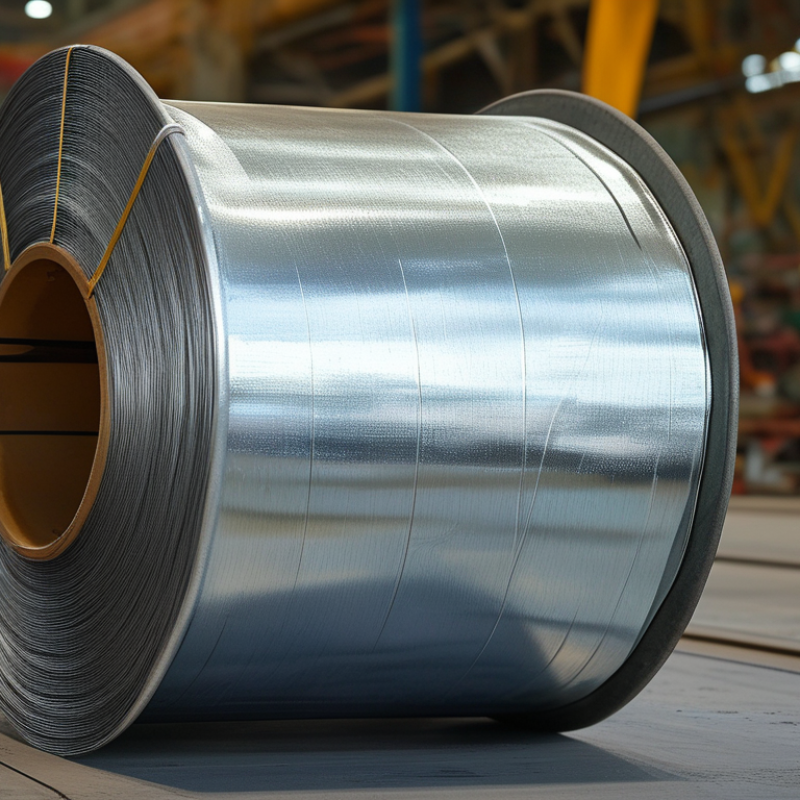
2026 Top Aluminum Wire Trends for Global Buyers to Consider?

Emerging Trends in Aluminum Wire Applications for 2026

The aluminum wire market is poised for significant changes by 2026. Emerging applications are reshaping the industry landscape. A recent report from Market Research Future predicts a growth rate of 5.5% CAGR in aluminum wire consumption globally. This growth is driven by increasing demand in various sectors, including automotive and renewable energy.

Aluminum wire is becoming essential in electric vehicles (EVs). As automakers shift toward lightweight materials, aluminum's role is critical. Its conductivity and lightweight nature contribute to improved efficiency. Additionally, the energy sector is expanding its use. With the rise of solar panel installations, aluminum wire enables better energy transmission. Data from the International Energy Agency shows that global renewable energy capacity grew by 10% in 2022, highlighting aluminum's increasing importance.

However, challenges remain. The supply chain faces disruptions, and fluctuating raw material costs impact production. Manufacturers must navigate these uncertainties. Adapting to innovations while managing costs is crucial. Stakeholders need to stay informed about these trends. In a quickly evolving market, adapting is not just beneficial; it is necessary for survival.

Global Market Growth Projections for Aluminum Wire in Various Industries

As industries evolve, aluminum wire is gaining traction in various sectors. There’s a projected growth of approximately 8% annually in the global aluminum wire market by 2026. This increase reflects rising demand across electrical, automotive, and construction sectors.

In the electrical industry, aluminum wire is favored for its lightweight nature and conductivity. Reports indicate that about 70% of the demand comes from cable manufacturing. This figure highlights the critical role aluminum plays in energy efficiency. In the automotive sector, trends show an increasing use of aluminum wire in electric vehicles. These vehicles require lightweight components to improve efficiency.

Sustainability is another important consideration. With a push towards eco-friendly practices, aluminum's recyclability makes it appealing. However, challenges exist. The fluctuating price of aluminum due to market volatility can impact production costs. Industry experts recommend monitoring these trends closely. Understanding the market dynamics is key for buyers looking to invest strategically in aluminum wire for the future.

2026 Top Aluminum Wire Trends for Global Buyers

Sustainability Initiatives Driving Aluminum Wire Innovation and Production

Sustainability initiatives are reshaping the aluminum wire industry. Innovative practices are emerging to reduce environmental impact. Manufacturers are focusing on using recycled materials. This shift not only lessens waste but also cuts production costs. The aluminum sector is finding ways to lower the carbon footprint.

Green technologies are being implemented. These new methods reduce energy consumption during production processes. For instance, smarter manufacturing techniques lead to better resource management. Investments in renewable energy sources are also gaining traction. This creates a more sustainable supply chain overall.

Despite advancements, challenges remain. Some producers still rely heavily on traditional energy sources. Transitioning to greener alternatives can be costly and complex. There may be a learning curve in adopting new technologies. Buyers must carefully evaluate these factors when selecting materials.

2026 Top Aluminum Wire Trends for Global Buyers to Consider

Trend Description Impact on Production Sustainability Outcome
Recycled Aluminum Usage Increased incorporation of recycled materials in aluminum wire production. Reduces energy consumption and raw material costs. Lower carbon footprint and resource conservation.
Smart Wire Technology Integration of IoT technology in aluminum wiring for enhanced monitoring. Increases operational efficiency through real-time data. Optimizes energy use in installations.
Innovative Coatings Development of environmentally friendly coatings that enhance wire durability. Improves wire longevity and reduces replacement frequency. Decreases waste and resource usage over the product life cycle.
Alternative Alloys Use of alternative metals in aluminum alloys for better performance. Enhances electrical conductivity and strength properties. Promotes use of less abundant resources.
Energy-efficient Production Techniques Implementation of techniques that lower energy consumption during production. Reduces operational costs and environmental impact. Significantly lowers greenhouse gas emissions.

Advancements in Manufacturing Techniques for Enhanced Aluminum Wire Quality

Advancements in manufacturing techniques are changing the landscape for aluminum wire production. New processes are improving the strength and durability of aluminum wires. These techniques often involve enhanced alloy compositions. This ensures better conductivity and resistance to corrosion. As a result, products are becoming more reliable in various applications.

Additionally, automation plays a crucial role in improving efficiency. Automated systems can monitor quality in real-time. This minimizes the risk of human error, ensuring that every meter of wire meets stringent standards. However, as these technologies advance, there are challenges to address. Initial setup costs may deter some manufacturers. Ongoing maintenance of these systems can also be complex and costly.

Sustainability is another key consideration. Eco-friendly practices are becoming a priority in production processes. Using recycled materials can reduce environmental impacts. But, sourcing these materials consistently remains a challenge. Balancing cost and quality while being environmentally conscious requires careful planning. As the industry evolves, staying ahead means adapting to these trends while facing ongoing obstacles.

Key Regional Markets for Aluminum Wire: Opportunities and Challenges in 2026

In 2026, the global aluminum wire market presents both opportunities and challenges across key regional markets. North America shows promising growth, driven by increased demand in the construction and automotive sectors. The shift toward sustainable practices bolsters the need for lightweight materials like aluminum. However, fluctuating raw material prices could impact production costs and profit margins.

In Europe, innovation remains vital. Countries are investing in advanced manufacturing techniques. Still, the regulatory landscape complicates market entry for new players. Proper compliance is essential, but it may limit agility. In Asia, particularly in China and India, urbanization fuels demand. Yet, concerns about environmental impact are rising. Striking a balance between growth and sustainability remains a pressing challenge.

Moving forward, stakeholders must navigate these regional dynamics. Understanding local regulations and market conditions is crucial. Adopting a nuanced approach can enhance opportunities while mitigating risks. The aluminum wire sector will have to evolve, reflecting changing consumer preferences and environmental considerations.

FAQS

: What is the expected annual growth rate for the aluminum wire market?

: The aluminum wire market is projected to grow by about 8% annually by 2026.

Which industries are driving the demand for aluminum wire?

Key industries include electrical, automotive, and construction sectors.

Why is aluminum wire preferred in the electrical industry?

It is lightweight and has good conductivity, making it efficient for energy transmission.

How significant is aluminum wire in cable manufacturing?

Approximately 70% of aluminum wire demand comes from cable manufacturing.

What role do electric vehicles play in the aluminum wire market?

They utilize aluminum wire for lightweight components to enhance efficiency.

Why is sustainability important in the aluminum wire industry?

Eco-friendly practices and recyclability reduce waste and make production more efficient.

What challenges do manufacturers face in adopting sustainable practices?

Transitioning to greener technologies can be costly and complex, and some still rely on traditional methods.

How does the price of aluminum affect producers?

Market volatility can lead to fluctuating prices, impacting production costs significantly.

What innovations are emerging in aluminum wire production?

Manufacturers are using recycled materials and implementing energy-efficient processes.

Why should buyers monitor market trends closely?

Understanding market dynamics is crucial for making informed investment decisions in aluminum wire.

Conclusion

The article "2026 Top Aluminum Wire Trends for Global Buyers to Consider" explores key developments and projections in the aluminum wire market. It highlights emerging applications that are likely to shape the industry in 2026, alongside anticipated growth across various sectors. Sustainability initiatives are identified as critical drivers behind innovation and production practices, pushing for more eco-friendly manufacturing processes.

Moreover, advancements in manufacturing techniques are set to enhance the quality of aluminum wire, making it more efficient and versatile for use in diverse applications. The article also examines regional market dynamics, outlining opportunities and challenges that global buyers may face as they navigate the aluminum wire landscape in the coming years. Overall, these insights provide a comprehensive overview for stakeholders looking to engage with this evolving market.

Mason

Mason

Mason is a seasoned marketing professional with a deep expertise in the company's offerings and a passion for driving brand awareness. With a strong background in digital marketing strategies, he has an innate ability to connect with diverse audiences and effectively communicate product benefits.......