Kangjian
The global demand for Aluminum Extruded products is on the rise. According to a recent report by Grand View Research, the market size for aluminum extrusion is projected to reach USD 76.8 billion by 2025. This growth is driven by various industries, including automotive, construction, and electronics. Notably, experts in the field emphasize the importance of quality and innovation. Dr. Emily Yuan, a leading authority on aluminum technology, states, "Innovation in aluminum extrusion is key to meeting the demands of modern applications."
Despite this growth, challenges remain. The industry faces pressure from rising raw material costs and sustainability concerns. Manufacturers must continuously adapt to market changes and develop efficient solutions. Companies that excel in Aluminum Extruded products often incorporate advanced techniques and materials to enhance performance and reduce waste. This commitment to sustainable practices is not only beneficial for the environment, but it also appeals to increasingly eco-conscious consumers.
In conclusion, the future of Aluminum Extruded solutions is promising yet complex. As buyers seek reliable and innovative products, industry leaders must remain agile. The balance between quality, cost, and sustainability will define successful strategies moving forward.
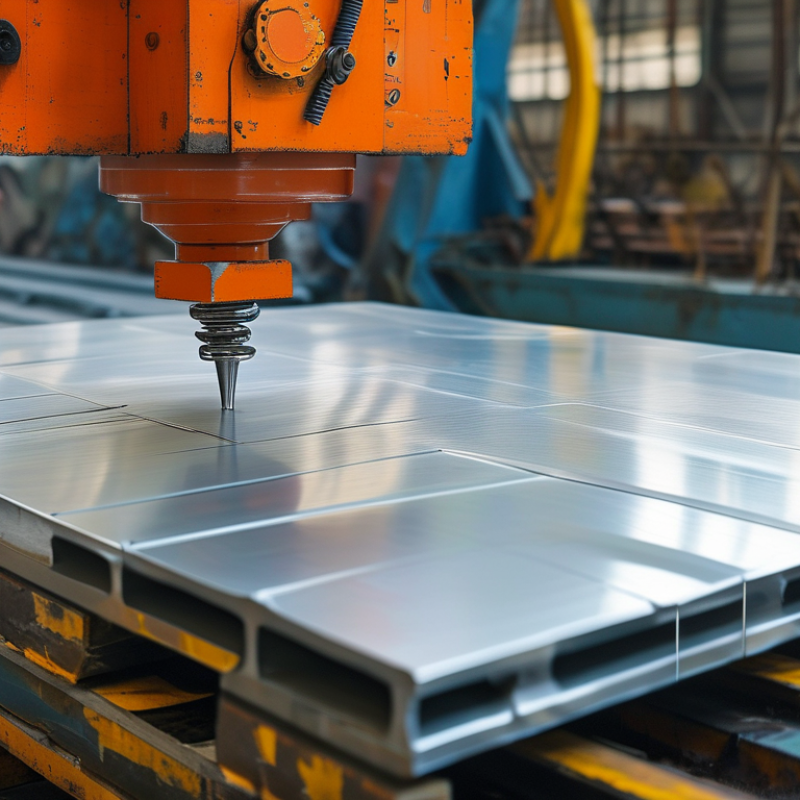
Aluminum extrusion is a vital process in various industries. It shapes aluminum into lasting, lightweight products. The global aluminum extrusion market was valued at approximately $70 billion in 2020, with expectations to rise at a compound annual growth rate (CAGR) of over 5% through 2028. This growth is fueled by demand from construction, automotive, and consumer goods sectors.
Understanding aluminum extrusion globally involves recognizing regional variations. For instance, Asia-Pacific is the largest market, driven by industrial expansion. In contrast, North America and Europe emphasize sustainability and innovation in production processes. These regions are increasingly focused on recycling aluminum, which uses only 5% of the energy needed for primary aluminum production.
Despite these advancements, challenges persist. The industry faces scrutiny due to environmental concerns and energy consumption. Additionally, market volatility can impact pricing and supply. Manufacturers must reflect on these issues while considering their growth strategies. The path forward requires innovation and commitment to sustainability, making it a balancing act between efficiency and environmental responsibility.
Aluminum extruded solutions offer numerous benefits that attract global buyers. The versatility of aluminum makes it ideal for various applications, from automotive components to construction materials. Buyers appreciate lightweight products that maintain strength and durability. This makes aluminum extrusions a practical choice for innovative design.
Tips for selecting the right aluminum extrusions include considering the application's specific requirements. Buyers should focus on the intended use, as different extrusions provide varying properties. Conducting thorough research on extrusion techniques can also help. Quality control is crucial; ensure your supplier adheres to industry standards.
Another key benefit is sustainability. Aluminum is recyclable, making it an eco-friendly choice. Buyers can reduce their carbon footprint while still enjoying high-performance materials. This aligns with growing environmental concerns. However, some may overlook the importance of sourcing from responsible manufacturers. Evaluating their sustainability practices is essential, as this can impact long-term gains.
When sourcing aluminum extrusions globally, several critical factors arise. Quality of material is paramount. According to a report from the Aluminum Association, specifications must meet standards like ASTM B221. Buyers should confirm that suppliers comply with these standards. This ensures durability and performance. Additionally, variations in alloys can significantly affect properties such as corrosion resistance and strength.
Another key factor is supply chain reliability. Recent data shows that disruptions can lead to delays. For instance, during the COVID-19 pandemic, many manufacturers faced challenges in procurement and logistics. Establishing strong relationships with multiple suppliers might mitigate risks. Location is also crucial. Proximity can enhance communication and reduce shipping costs.
Cost is a crucial consideration as well. Reports highlight that aluminum prices can fluctuate dramatically. These fluctuations can impact the bottom line considerably. Therefore, buyers should stay informed about market trends. Transparent pricing from suppliers is essential for making informed decisions. Ultimately, attention to these factors can lead to successful sourcing in a competitive global market.
The aluminum extrusion market is thriving, attracting global buyers seeking quality, reliability, and innovation. Numerous suppliers and manufacturers offer a wide range of solutions. However, selecting the right partner can be challenging. Prospective clients need to evaluate expertise and production capabilities.
Many companies specialize in various sectors, from construction to automotive. Their experience in aluminum extrusion can influence project success significantly. Some suppliers focus on standard profiles, while others provide custom solutions. This flexibility can meet unique client demands. Nevertheless, buyers should consider potential discrepancies in quality.
It is essential to analyze the reliability of these suppliers. Certifications and industry standards often reflect a manufacturer's commitment to excellence. Reviews from previous clients can shed light on product performance and service quality.
Despite many reputable players, there can be exceptions. A thorough due diligence process is vital to avoid pitfalls.
Aluminum extrusion technology has seen remarkable innovations recently. New techniques enhance formability and strength, allowing for diverse applications. Emerging methods focus on reducing waste and improving energy efficiency. These advancements are crucial as industries seek sustainable options in manufacturing processes.
The development of advanced alloys opens doors to lighter and stronger products. Some newer initiatives focus on integrating smart technology in extrusion processes. These technologies can monitor production in real-time, ensuring quality and minimizing errors. Yet, challenges remain. Not all manufacturers can adopt these technologies efficiently due to costs and training needs.
As aluminum extrusions become more popular globally, continual learning is essential. Companies must stay updated on trends and developments. Networking and sharing experiences in industry forums can be helpful. This focus on collaboration can drive innovation and address the industry's pressing issues effectively. Finding the right balance between innovation and practical application is vital for long-term success.
| Application | Material Grade | Surface Treatment | Market Trend | Sustainability Features |
|---|---|---|---|---|
| Automotive Parts | 6061 | Anodized | Increasing Lightweight Structures | Recyclable Material |
| Architectural Applications | 6063 | Powder Coated | Sustainable Design Trends | Energy Efficient |
| Electronics Housing | A6060 | Brushed Finish | Compact Size and High Functionality | Low Carbon Footprint |
| Bicycle Frames | 7005 | Bare Aluminum | Lightweight and Strong | Fully Recyclable |
: Aluminum extruded solutions are lightweight, strong, and durable. They suit various applications, such as automotive and construction.
Consider the specific requirements of your application. Each extrusion provides different properties, so research is important.
Aluminum is recyclable, reducing your carbon footprint. Buyers should source from responsible manufacturers for long-term benefits.
Review their expertise, production capabilities, and adherence to quality standards. Client reviews can provide insights into performance.
Yes, discrepancies in quality can occur. A thorough due diligence process can help avoid potential pitfalls.
Innovations focus on enhancing formability and reducing waste. Smart technology monitors production in real-time, ensuring quality control.
Some manufacturers struggle with costs and training needs. Efficient adoption varies across different companies.
Networking fosters collaboration and shared knowledge. It helps companies stay updated on trends and innovate effectively.
Staying informed can drive innovation and address pressing industry challenges. Balancing innovation with practical applications is key.
Lack of certifications can indicate a lower commitment to quality. It's essential to investigate their reliability further.
The article "Best Aluminum Extruded Solutions for Global Buyers" offers a comprehensive overview of aluminum extrusion, highlighting its global significance. It begins by explaining the process and advantages of aluminum extrusion, emphasizing its lightweight, durability, and versatility, which make it an attractive option for various industries. The key benefits outlined include cost-effectiveness and sustainability, which are essential for buyers looking to optimize their supply chains.
Furthermore, the article discusses critical factors to consider when sourcing aluminum extrusions globally, such as quality standards, supplier reliability, and manufacturing capabilities. It also identifies leading suppliers and manufacturers in the aluminum extrusion market, along with the latest innovations and trends shaping the industry. Overall, the piece serves as a valuable guide for global buyers seeking effective aluminum extruded solutions while navigating the complexities of sourcing in a competitive market.