Kangjian
Buying Chemical Aluminum across borders requires more than comparing quoted prices. Buyers must connect material performance, supplier evidence, and delivery conditions before approving an order. In chemical processing environments, an incorrect alloy or surface finish can cause premature corrosion, contamination, or costly production delays. Small details matter. A mill certificate, batch number, and clear product description can protect a purchasing decision.
This guide presents ten practical buying tips for global buyers of Chemical Aluminum. The advice focuses on alloy selection, corrosion resistance, dimensional accuracy, packaging, documentation, and supplier verification. Experienced procurement teams should review certificates of analysis, inspection reports, safety documents, and applicable technical standards. They should also confirm whether the supplier can provide consistent quality across repeated shipments. A reliable supplier answers technical questions directly and explains limitations without hiding behind generic claims.
Price still matters, but it should not control the entire decision. Freight routes, tariffs, insurance, minimum order quantities, and payment terms can change the final cost. Samples can reveal surface marks, edge damage, or packaging weaknesses that photographs hide. No checklist eliminates every surprise. Even careful buyers may overlook a regional labeling requirement or an unclear tolerance. That is where disciplined review becomes valuable. These tips are designed to support practical judgment, not replace independent testing or professional engineering advice. A perfect purchase rarely exists. A documented and transparent one is far more achievable.
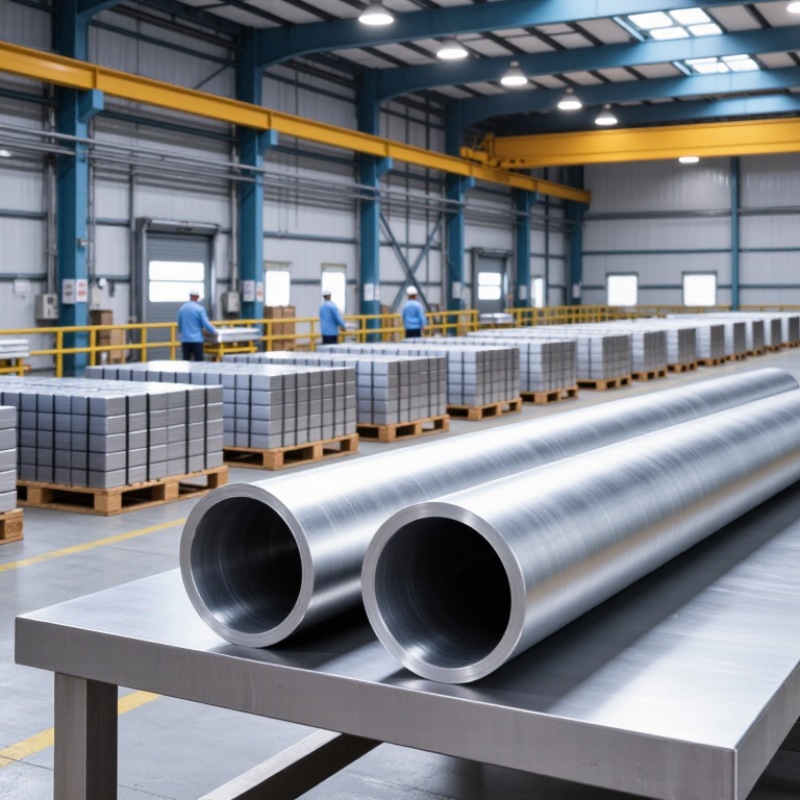
Chemical aluminum buying starts with the process, not the metal name. Define the medium, temperature, pressure, concentration, and contact time before requesting quotations. A 1050-grade sheet offers high purity and excellent formability, while 3003 generally suits tanks, heat exchangers, and moderate chemical service. Magnesium-bearing 5052 or 5083 can improve strength, but weldability and chloride exposure still require careful review. A perfect grade does not exist.
The U.S. Geological Survey reported approximately 72 million metric tons of primary aluminum production worldwide in 2024, showing a large and diverse supply base. Volume, however, does not confirm application fitness. Ask suppliers for the full chemical composition, temper designation, mechanical results, surface condition, and heat-treatment records. Request mill certificates and independent testing when the equipment handles acids, alkalis, or chlorides. ASTM and EN references should match the design code used at the installation site.
Do not rely on “corrosion-resistant” as a complete specification. Aluminum can perform well in some acidic environments, yet concentrated alkalis may attack it quickly. Chloride contamination can also increase pitting risks, especially around welds and crevices. The International Aluminium Institute’s lifecycle data emphasizes aluminum’s broad industrial use, but service conditions decide actual durability. This is often missed. A small pilot coupon test, using the real chemical and temperature, may reveal a costly assumption before production begins.
Global aluminum buying starts with the process, not the lowest quoted price. Define purity by assay and trace-element limits, not by labels alone. A 99.7% grade may suit casting, while electronics or chemical processing may require tighter iron, silicon, or copper controls. Request a certificate of analysis for every lot, and consider independent verification. Small impurities can change melt flow, corrosion behavior, or reaction performance. That detail is easy to underestimate.
Form must match your equipment. Ingots support remelting, granules can improve controlled feeding, and foil or sheet serves different conversion needs. Confirm dimensions, particle size, surface condition, and moisture limits before ordering. The USGS Mineral Commodity Summaries 2024 estimated global primary aluminum production at about 70 million metric tons in 2023. High supply does not guarantee the right form or consistent quality.
Packaging protects the material after production. Use sealed liners, dry pallets, impact-resistant containers, and clear lot markings when moisture or oxidation matters. Quantity also needs a process-based calculation. Compare annual demand, batch size, lead time, and realistic safety stock. The International Aluminium Institute states that recycled aluminum uses about 5% of the energy required for primary aluminum, so recycled content may support both cost and sustainability targets. However, recycled feedstock can bring different impurity profiles. Ask for evidence, not assumptions. A perfect specification can still fail when packaging, quantity, or storage conditions are treated as afterthoughts.
Global buyers should evaluate chemical aluminum suppliers beyond price and product samples. Request current ISO 9001 certification, laboratory accreditation, safety documentation, and traceable batch records. The 2023 ISO Survey reported more than 1.2 million ISO 9001 certificates worldwide, so certification alone cannot prove strong performance. Check the certificate scope, issuing body, expiry date, and covered production site.
Ask for three years of quality records, including assay results, particle-size data, moisture levels, nonconformity rates, and corrective-action reports. Compare certificate values with independent test results from an accredited laboratory. A consistent supplier should explain small variations instead of hiding them. It is a useful warning sign. In my experience, vague records often create larger costs during customs clearance or plant trials.
Capacity must match your real buying plan, not an impressive brochure figure. The International Aluminium Institute’s 2024 outlook projects aluminium demand could rise about 80% by 2050, increasing pressure on qualified supply. Verify monthly output, backup equipment, raw-material sources, utility stability, and warehouse conditions. Request production schedules for peak periods and evidence of recent export shipments. Also review lead times, packaging strength, moisture protection, and emergency response procedures. A pilot order remains valuable, because even well-documented suppliers may perform differently at commercial scale. Data helps, but direct verification still matters.
When buying chemical-grade aluminum, verify the material specification before discussing price. Check purity, particle size, form, intended use, and test methods. A certificate of analysis should match the shipped batch, not only a supplier’s standard template. Ask for production dates, lot numbers, and recent independent test results. Small differences can affect processing, safety, and final performance.
Tip: Confirm global compliance early. Request safety data sheets in the destination country’s required language. Review classification, labeling, customs codes, and restricted-use requirements with a qualified local expert. Documentation should include the commercial invoice, packing list, certificate of origin, transport details, and inspection records. Keep digital and paper copies. I have seen delays caused by one missing signature.
Tip: Treat shipping and storage conditions as part of the purchase. Confirm whether the material needs sealed packaging, moisture barriers, temperature control, or ventilation. Inspect containers for dents, corrosion, leaks, and damaged labels before unloading. Store packages on raised pallets, away from water, heat, and incompatible chemicals. Clear aisle space helps workers inspect every lot.
Do not rely on assumptions. Requirements can change between countries, ports, and applications. A supplier may provide useful documents, but the buyer remains responsible for checking their accuracy. This step is sometimes overlooked. Record the inspection results, photograph the packaging, and quarantine questionable material until a competent person reviews it. Safety decisions should follow current regulations and documented risk assessments.
Global buyers should compare the total cost of chemical-grade aluminum, not only the quoted price per ton. Cheap quotes can mislead. Add freight, insurance, duties, testing, storage, cutting, and possible rejection costs. A shipment with a lower unit price may become expensive after port delays or repeated inspections. Ask suppliers for a clear cost breakdown. Confirm alloy, temper, dimensions, surface condition, and packaging before signing.
Inspecting the shipment requires more than checking the outer wrapping. Request mill certificates, batch numbers, weight records, and independent test results when the application is sensitive. Photograph damaged crates, wet cartons, and exposed metal immediately. Check thickness at several points, not just one convenient location. My early inspections were too shallow. I trusted clean packaging, and that was a mistake. Sampling plans should match order size and technical risk.
Reliable supply terms protect both sides when conditions change. Define delivery windows, inspection rights, replacement procedures, payment stages, and documentation duties in writing. Include tolerance limits for quantity and dimensions. Ask how the supplier handles raw material shortages or transport interruptions. A backup production schedule can prevent costly shutdowns. Do not accept vague promises of “stable supply.” Request recent performance data, realistic lead times, and references from comparable industrial buyers. Keep communication records, because memory becomes uncertain during a dispute. Terms should be practical, measurable, and reviewed by qualified procurement and technical staff.
This planning model shows the estimated cost structure for one metric ton of chemical-grade aluminum. Comparing the quoted material price with freight, inspection, insurance, inland delivery, and financing costs helps global buyers evaluate the true landed cost before placing an order.
Planning example in USD per metric ton. Import duty is shown as zero for a duty-free route; actual costs depend on the HS code, destination, contract terms, freight market, and exchange rate.
Define the chemical medium, temperature, pressure, concentration, and contact time. The process matters more than the metal name.
High-purity 1050 offers strong formability. Grade 3003 commonly suits tanks and heat exchangers. Grades 5052 and 5083 add strength.
No perfect grade exists. Weldability, chloride exposure, strength, and chemical concentration must be reviewed together.
Aluminum may resist some acids but react quickly with concentrated alkalis. Chlorides can increase pitting near welds and crevices.
Request chemical composition, temper, mechanical results, surface condition, and heat-treatment records. The certificate should match the shipped lot.
Test a small coupon using the actual chemical and temperature. This simple trial may expose a costly assumption.
Keep the invoice, packing list, origin certificate, transport details, inspection records, and required safety documents. One missing signature can delay delivery.
Check containers for dents, corrosion, leaks, and damaged labels. Store packages on raised pallets, away from water, heat, and incompatible chemicals.
Photograph the packaging and quarantine the lot. Do not release it until a competent person reviews the evidence.
The buyer remains responsible, even when suppliers provide documents. Requirements can change between countries, ports, and applications.
Buying Chemical Aluminum successfully requires more than comparing quoted prices. Global buyers should first define the required grade, purity, physical form, and application conditions, then match packaging, order volume, and delivery frequency to their production process. Clear technical specifications help prevent quality mismatches, unnecessary waste, and delays. Supplier evaluation should include relevant certifications, documented quality-control records, production capacity, traceability procedures, and the ability to maintain consistent performance across repeated orders.
Buyers should also verify export documentation, destination-market compliance, labeling, shipping arrangements, and storage requirements before placing an order. A complete cost comparison should include material prices, packaging, transportation, insurance, duties, inspection, and potential handling expenses. Before acceptance, shipments should be checked against agreed specifications, quantities, packaging integrity, and test documents. Finally, reliable supply terms should define inspection rights, delivery schedules, communication procedures, quality remedies, and contingency plans, helping buyers build a stable and transparent Chemical Aluminum procurement strategy.
