Kangjian Kangjian

China Best Recycled Aluminum Supplier for Global Buyers?

Time:2026-10-14 Author:Isabella
0%

China Best Recycled Aluminum Supplier for Global Buyers?

China has become a major force in global aluminum production and recycling. The U.S. Geological Survey’s Mineral Commodity Summaries 2025 identifies China as the world’s leading aluminum producer. However, production scale alone does not prove supplier quality. Global buyers need verified recycled content, stable alloy chemistry, traceable sourcing, and dependable delivery.

According to the International Aluminium Institute, recycling aluminum requires only about 5% of the energy used for primary aluminum production. The IAI also reports that nearly 75% of all aluminum ever produced remains in active use. That makes Recycled Aluminum valuable for manufacturers seeking lower-carbon materials. A reliable supplier should provide furnace records, inspection reports, alloy certificates, and clear explanations of scrap origins. Proof matters.

In practice, buyers may inspect billets, sheets, or ingots before shipment. They may compare spectrometer results against EN, ASTM, or GB specifications. Packaging quality also matters when containers cross oceans. Moisture, mixed alloys, and inaccurate weight records can create expensive production problems. China offers strong manufacturing capacity, but “best” is not an automatic label. A polished website can still hide weak traceability. This is where evaluation becomes difficult. Supplier claims should be checked against independent testing, customer references, audit evidence, and consistent batch performance. Industry reports provide useful direction, not a final purchasing decision. The strongest partner combines competitive pricing with measurable recycled content, technical responsiveness, and honest communication when material quality falls short.
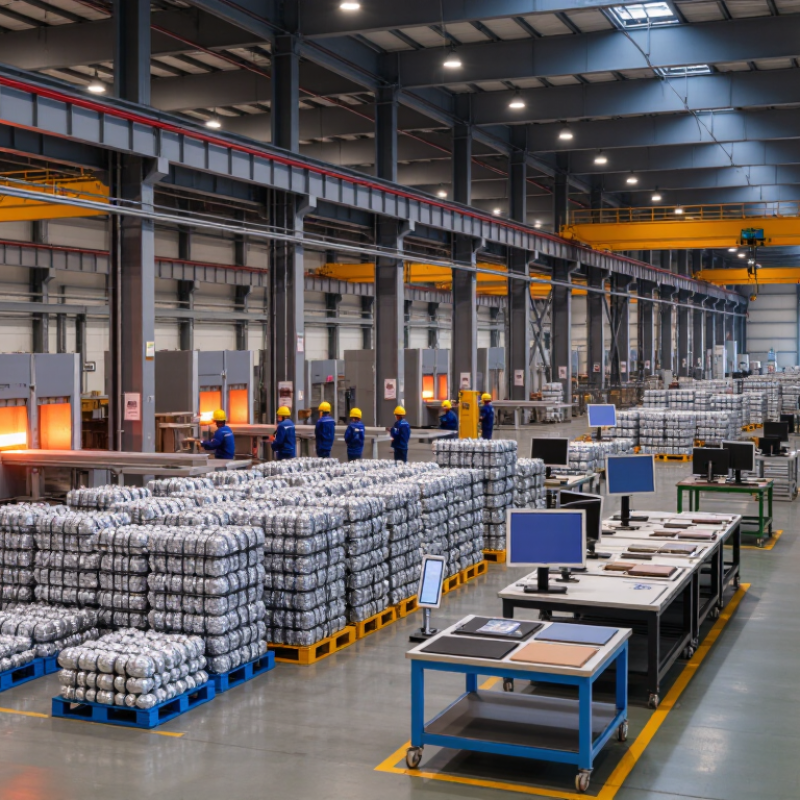
China Best Recycled Aluminum Supplier for Global Buyers?

What Defines a Leading Recycled Aluminum Supplier in China?

A leading recycled aluminum supplier in China must prove quality beyond a polished website. The International Aluminium Institute reports that recycling aluminum uses about 5% of the energy required for primary production. That advantage matters only when the material remains consistent. Buyers should request furnace records, alloy chemistry, density results, and independent test reports. A reliable supplier can trace each batch from sorted scrap to packed ingots.

China’s recycled aluminum output reached approximately 9.3 million tonnes in 2023, according to industry data from the China Nonferrous Metals Industry Association. This scale creates opportunity, but also uneven quality. Strong suppliers separate painted sheets, castings, and mixed scrap before melting. They control iron, silicon, copper, and magnesium levels carefully. Small chemistry changes can affect die filling, machining, and surface appearance. Ask for recent samples, not only historical certificates.

Look closely at operational details. Are ingots clearly marked? Are loading photos available? Can the supplier explain rejected batches without vague language? Experience suggests that packaging moisture, delayed testing, and inconsistent lot sizes cause costly problems. No supplier is flawless. I would still challenge any quotation that promises perfect chemistry, unlimited capacity, and instant delivery. A credible partner admits limitations, documents corrective action, and aligns production with the buyer’s alloy standard, inspection plan, and delivery schedule.

How Recycled Aluminum Is Collected, Processed, and Refined

China is a major source of recycled aluminum for global buyers. The real value begins before the furnace. Used beverage cans, window frames, vehicle parts, and factory offcuts are collected through municipal, commercial, and industrial channels. Materials are weighed, inspected, and separated by alloy, thickness, and contamination.

Sorting often combines magnets, eddy-current separators, optical scanners, and manual checks. Steel is removed first. Paint, plastic, rubber, and moisture must also be reduced. Shredded aluminum then enters a decoating stage, where controlled heat removes coatings and oils. It is melted in a furnace, and operators adjust the chemistry with approved alloying metals. Dross is skimmed away. This step is easy to underestimate. Small amounts of copper, iron, or zinc can weaken the final product.

The International Aluminium Institute reports that recycling aluminum can require up to 95% less energy than producing primary aluminum. Its circular-economy research also estimates that about 75% of all aluminum ever produced remains in use. However, recovery is not perfect. Mixed scrap, poor collection, and alloy dilution still cause losses. Buyers should request batch-level composition data, origin records, and testing results. A low price may hide costly sorting work.

Tip: Ask for recovery rates, alloy specifications, moisture limits, and independent laboratory certificates. Check how rejected material is handled. Supplier claims deserve verification.

Which Recycled Aluminum Products Do Global Buyers Need?

Global buyers need recycled aluminum products that fit real manufacturing processes, not vague sustainability claims.

Common demand includes

secondary aluminum billets, ingots, sheets, coils, and extrusion profiles.

Billets

suit window frames, automotive components, and industrial profiles.

Ingots

support casting plants that need controlled melting inputs.

Sheets and coils

serve roofing, packaging, appliance, and transport applications.

Product selection depends on alloy chemistry, temper, dimensions, surface quality, and mechanical performance.

Experienced buyers request mill test certificates, recycled-content data, and batch traceability before placing large orders. They also compare impurity limits carefully.

A clean-looking billet may still fail a demanding extrusion process.

Recycled feedstock naturally varies, so reliable suppliers must use sorting, spectroscopy, and documented quality checks.

In practice, buyers sometimes specify unnecessary tolerances. That increases cost without improving the final product.

Tips
Ask for the exact alloy grade and end use.

Confirm minimum recycled content, allowable chemistry ranges, and delivery dimensions.

Request a sample batch before approving regular supply.

Check whether certificates match the shipped lot, not only the supplier’s general capability.

Lower carbon claims can be useful, but they should be supported by clear calculation methods.

The best product is not always the most recycled one; it must also perform consistently in your equipment.

Some purchasing plans still overlook packaging, moisture protection, and storage conditions. Those small details can damage otherwise suitable material.

How Quality, Certifications, and Traceability Are Verified

For global buyers, the best recycled aluminum supplier is not judged by price alone. Quality, certification, and traceability must survive independent checks.

The International Aluminium Institute reports that recycling aluminum can require about 95% less energy than producing primary aluminum. However, recycled content does not guarantee consistent performance. Buyers should request batch-specific chemical analysis, including silicon, magnesium, iron, and copper levels. Tensile tests, hardness results, and inclusion inspections add practical evidence. A clean test sheet matters more than a polished sales promise.

Certification should be checked against the issuing body, scope, expiry date, and audited production site. ISO 14021 guidance distinguishes self-declared environmental claims from verified claims. This difference is often overlooked. Traceability should connect incoming scrap records, furnace numbers, casting dates, and final lot codes. A mass-balance record can show how recycled material moved through production, but it may not prove every particle’s physical identity. That limitation deserves honest disclosure.

The World Bank’s commodity data shows aluminum remains exposed to energy and raw-material price changes. Reliable suppliers therefore retain inspection records, calibration logs, and corrective-action reports. Third-party audits are useful, but they are not magic. Buyers should also sample material before shipment and repeat testing periodically. In real procurement, one weak batch can reveal a stronger system failure. Verification is continuous, and even well-designed controls need review.

How to Compare Suppliers, Pricing, Logistics, and Sustainability

Choosing the best recycled aluminum supplier requires more than comparing the lowest quotation. Buyers should verify alloy grades, recycled content, impurity limits, and monthly production capacity. Ask for recent mill certificates, inspection records, and clear photos of packed material. A dependable supplier can explain how scrap is sorted, melted, tested, and protected from moisture.

Pricing should include more than the metal value. Check conversion charges, packaging, insurance, port fees, and payment terms. Compare delivery schedules against your production plan. A cheaper offer may conceal longer transit times or unstable supply. Request a detailed Incoterm and a loading plan showing container weight, pallet layout, and expected departure date. Small details matter.

Tips: Build a comparison sheet with identical specifications. Request a sample before placing a large order. Check whether sustainability claims include traceable records, recycled-content data, energy information, and independent audits. Certificates alone are not enough. Their scope and date matter. A supplier may provide impressive documents but weak production evidence. No checklist is perfect. Keep testing batches after approval, because alloy consistency can change with different scrap sources. Reliable cooperation comes from transparent answers, practical inspections, and records that match the material delivered.

FAQS

Which recycled aluminum products do global buyers commonly need?

Common products include billets, ingots, sheets, coils, and extrusion profiles. Billets suit window frames, vehicle components, and industrial profiles. Sheets and coils serve roofing, packaging, appliances, and transport equipment. The right product depends on your machinery.

What specifications should buyers confirm before ordering?

Confirm the alloy grade, temper, dimensions, surface quality, and mechanical performance. Set acceptable chemistry and impurity ranges. Also define the minimum recycled content. Vague specifications create avoidable costs.

Why are samples important before regular supply?

A sample batch shows how the material behaves in your equipment. A clean-looking billet may still fail during extrusion. Test surface finish, chemistry, strength, and processing results. Samples reveal surprises.

Which quality documents should buyers request?

Request mill test certificates, recycled-content data, inspection records, and batch traceability. Check that each document matches the shipped lot. A general capability statement is not enough. Dates and document scope matter.

How can buyers compare supplier quotations fairly?

Use identical specifications in one comparison sheet. Include metal value, conversion charges, packaging, insurance, port fees, and payment terms. Compare delivery dates with your production schedule. The cheapest offer may hide delays.

What logistics details deserve special attention?

Request the Incoterm, loading plan, container weight, pallet layout, and departure date. Confirm moisture protection during storage and transport. Poor packaging can damage suitable material. Small details matter.

How should buyers evaluate sustainability claims?

Ask for traceable recycled-content records, energy information, calculation methods, and independent audits. Lower carbon claims need clear evidence. Certificates alone are insufficient. Their scope and date should be checked.

Should buyers choose the material with the highest recycled content?

Not always. The material must perform consistently in your equipment. Higher recycled content may bring greater chemistry variation. Consider processing stability, impurity limits, and final product requirements. The most attractive claim can be the wrong choice.

Should quality testing continue after supplier approval?

Yes, test later batches as well. Scrap sources can change, affecting alloy consistency. Compare chemistry, dimensions, surface condition, and certificates. No checklist catches everything. Regular testing is still worth the effort.

Conclusion

Choosing the best Recycled Aluminum supplier in China requires more than comparing prices. A reliable supplier should demonstrate stable collection channels, advanced sorting and processing capabilities, consistent alloy performance, and a clear understanding of international buyer requirements. From post-consumer and industrial scrap collection to melting, refining, casting, and finishing, every stage should be controlled to reduce contamination and ensure dependable quality. Suppliers should also provide suitable products, such as recycled aluminum ingots, billets, sheets, or customized materials, according to the buyer’s application and technical specifications.

Quality verification depends on recognized certifications, detailed inspection reports, batch testing, and transparent traceability from raw material to shipment. Global buyers should compare suppliers based on product consistency, pricing structure, minimum order quantities, production capacity, packaging, delivery reliability, and logistics support. Sustainability claims should be supported by measurable information, including recycled content, energy efficiency, waste reduction, and responsible environmental practices. A comprehensive evaluation helps buyers build secure, cost-effective, and long-term supply partnerships.

Isabella

Isabella

Isabella is a dedicated marketing professional with a sharp focus on driving brand growth and engagement through strategic content creation. With an extensive background in digital marketing, she combines her passion for storytelling with her keen understanding of industry trends to deliver......