Kangjian Kangjian

2026 How to Choose the Best Aluminum Louver for Your Project?

Time:2026-08-05 Author:Liam
0%

Choosing the right Aluminum Louver can significantly impact a project’s efficiency and aesthetics. According to the "Architectural Louvers Market Report 2022," the demand for high-quality aluminum products is on the rise, surpassing $2 billion globally. Experts suggest that selecting the proper louver requires understanding the application environment and structural requirements. Renowned industry expert Dr. Michael Thomson states, "The choice of aluminum louver can make or break the airflow efficiency in a building."

The right Aluminum Louver improves ventilation while offering protection from the elements. However, projects often overlook specific details such as orientation, angle, and design when selecting these components. This oversight can lead to inefficiencies and increased energy costs. Understanding your project’s unique needs is crucial.

In an industry where durability and performance matter, not all products meet high standards. Some aluminum louvers available may compromise on quality. Building codes and climate conditions must guide your decision-making process. Reflecting on these critical aspects can lead to better outcomes. Choose wisely to ensure long-lasting benefits.
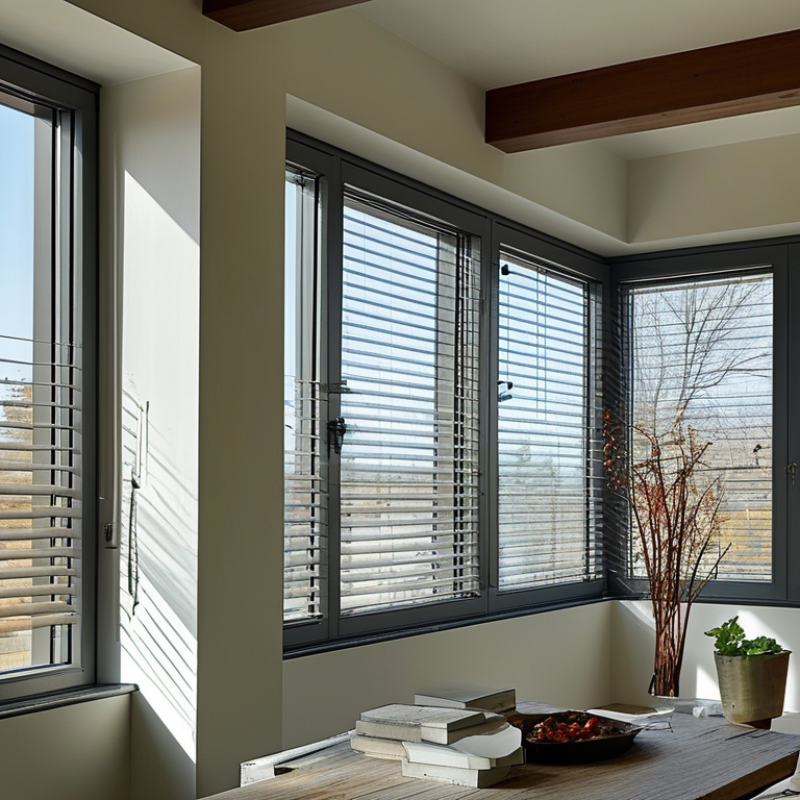
2026 How to Choose the Best Aluminum Louver for Your Project?

Understanding Aluminum Louvers: Types and Benefits

When selecting aluminum louvers for your project, understanding the types available is essential. Louvers serve various functions, including ventilation and protecting against rain and sun.

Fixed louvers allow airflow while blocking direct sunlight. They are commonly used in commercial buildings. Adjustable louvers offer more control over airflow. Users can change their position based on needs.

The benefits of aluminum louvers extend beyond functionality. They are lightweight yet durable, resistant to corrosion and rust, ensuring longevity. Additionally, they require minimal maintenance. Aesthetically, they can be tailored to fit different architectural styles. However, not all louvers are created equal. Some designs may not perform well in heavy rain or extreme winds. It is important to consider local climate conditions.

Choosing the right aluminum louver requires thoughtful evaluation. Assess the specific needs of your project. Are you focused on airflow efficiency or aesthetic appeal? Your choice could influence energy consumption and comfort levels. Research the options available and consult with experts. Make informed decisions to create a balance between function and design.

Key Factors to Consider When Selecting Aluminum Louvers

When selecting aluminum louvers for your project, key factors significantly influence the decision. Start by considering the design and application of the louvers. Are they for a commercial building or residential property? Each setting has unique requirements. The size and spacing of the louvers matter, as they affect airflow and aesthetics. Proper spacing can enhance ventilation and improve energy efficiency.

Durability is another crucial aspect. Aluminum louvers should withstand local weather conditions. Extreme heat and cold can affect their performance. Look for powder-coated options to increase longevity and resistance to corrosion. Additionally, assess the installation process. Complicated setups may lead to higher labor costs.

Consulting with a knowledgeable professional can provide insights that may not be apparent initially. Not every aluminum louver fits every project. Ensure you have the right specifications before making a choice. Reflect on your needs and the potential impact of your selection. Each decision shapes the overall outcome of your project, so be thoughtful and thorough.

2026 How to Choose the Best Aluminum Louver for Your Project? - Key Factors to Consider When Selecting Aluminum Louvers

Key Factor Description Recommended Specification
Material Quality Ensure the aluminum is corrosion-resistant and durable. Marine-grade aluminum or powder-coated finishes.
Sizing and Dimensions Select louvers that fit your project's specific airflow and aesthetic needs. Custom sizes based on project requirements.
Blade Design Consider the angle and spacing of blades for optimal airflow and water drainage. 45-degree blades with minimum spacing of 2 inches.
Aesthetics Choose a design that complements the building’s architecture. Color-coordinated options or decorative patterns.
Installation Method Consider ease of installation concerning your building structure. Flanged or framed options for easy mounting.
Cost Evaluate the total cost including materials and installation. Budget estimates between $50-$200 per unit.

Evaluating Performance Criteria for Aluminum Louvers

When considering aluminum louvers for your project, evaluating performance criteria is essential. These criteria define how well the louvers perform under varying environmental conditions. Factors such as wind resistance, water penetration, and thermal performance significantly contribute to their effectiveness. Selecting the right specifications can enhance energy efficiency.

Wind resistance is crucial. Louvers must withstand strong gusts without bending or breaking. Water penetration is another concern. Test how well the louvers keep water out during heavy rain. Thermal performance affects indoor climate as well. Properly designed louvers can help regulate temperature, improving comfort.

Performance testing often reveals flaws. Some louvers may not meet expected standards. Adjusting designs based on testing insights can provide better results. Not all projects require the same criteria. Assess your specific needs to avoid unnecessary costs. Engage with experienced professionals who can offer insights tailored to your situation. This approach fosters a deeper understanding of material options and their applications.

Aesthetic Considerations in Choosing Aluminum Louvers

When choosing aluminum louvers for your project, aesthetics play a crucial role. These components can significantly impact the overall appearance of a building. Different shapes, colors, and finishes can either enhance or detract from your design. Curved louvers might offer a sleek, modern look, while angular designs may evoke a more industrial feel.

Consider coordinating the color of the louvers with your overall palette. Neutral tones often blend well with various styles, while bold colors can create a striking visual statement. Think about how materials interact with light. A matte finish can provide a subtle elegance, whereas a glossy surface may draw attention. Pay attention to the texture and installation details; they can affect perceptions of quality and style.

Reflecting on how aluminum louvers fit into the larger picture is also important. They should not overpower other architectural elements. Strive for a balance that allows them to complement the structure. It’s easy to overlook the visual harmony, but that could lead to an unappealing outcome. Taking the time to evaluate all options can lead to a more cohesive architectural vision.

Installation and Maintenance Tips for Aluminum Louvers

When it comes to installing aluminum louvers, proper maintenance is crucial. Regular inspection can prevent issues such as corrosion or blockage from debris. According to industry reports, maintaining aluminum louvers can extend their lifespan by up to 30%. It is recommended to clean louvers every six months. This simple practice can enhance their efficiency and appearance.

Using a gentle detergent and water is advisable. Avoid harsh chemicals that may damage the aluminum finish. A soft brush can help remove stubborn dirt. Regularly check hinges and operable components for proper function. Lubricating moving parts can prevent wear over time.

The installation process also impacts maintenance. Proper sealing can prevent moisture infiltration. This reduces the risk of rust, a significant concern for aluminum materials. Following manufacturer guidelines ensures that louvers perform optimally. Some may find installation challenging or notice gaps that could lead to maintenance issues later. It’s important to evaluate the installation carefully, as overlooking details can cause long-term problems.

Aluminum Louver Performance Analysis

FAQS

: What are aluminum louvers used for?

: Aluminum louvers provide ventilation and protect against rain and sun. They improve airflow while blocking direct sunlight.

What types of aluminum louvers exist?

Fixed louvers allow airflow but block sunlight. Adjustable louvers let users change airflow based on their needs.

Why are aluminum louvers beneficial?

They are lightweight, durable, and resistant to corrosion. They require minimal maintenance and can match architectural designs.

What should I consider when selecting louvers?

Evaluate the project's needs. Consider airflow efficiency versus aesthetics. Local climate conditions also impact the choice.

How does weather affect aluminum louvers?

Extreme heat or cold can influence performance. Durable options withstand these conditions better than lesser-quality designs.

Why is professional consultation important?

Professionals offer insights not always obvious. They help ensure products match specific project specifications.

What performance criteria are vital for louvers?

Wind resistance, water penetration, and thermal performance are key factors affecting effectiveness.

How does spacing affect louvers?

Proper spacing enhances both airflow and aesthetics. It can also lead to better energy efficiency.

Can all louvers perform well under heavy rain?

No, some may fail during heavy rain. It's vital to test performance and evaluate designs accordingly.

What mistakes should I avoid when choosing louvers?

Avoid hasty decisions without thorough evaluation. Each choice impacts the outcome of the project significantly.

Conclusion

When selecting the best aluminum louver for your project, it’s essential to understand the various types and benefits these architectural elements offer. Aluminum louvers provide effective ventilation while protecting against environmental elements, making them a practical choice for many applications. Key factors to consider include the specific performance criteria such as airflow capacity, resistance to corrosion, and energy efficiency.

Aesthetic considerations play a significant role as well, as aluminum louvers come in various designs that can complement the overall look of a building. Additionally, proper installation and maintenance are crucial for ensuring the longevity and performance of aluminum louvers. By evaluating these aspects, you can make an informed decision that aligns with your project's functional and aesthetic requirements.

Liam

Liam

Liam is a dedicated marketing professional with a profound expertise in the industry, where he excels at highlighting the unique advantages of our core products. With a keen understanding of market trends and consumer needs, Liam frequently updates our company’s professional blog, providing......