Kangjian Kangjian

How to Choose Aluminum Strength for Global Sourcing?

Time:2026-09-19 Author:Mason
0%

Choosing Aluminum Strength for global sourcing is not a simple grade comparison. Buyers must connect alloy selection with load, temperature, corrosion, forming, and delivery conditions. A stronger alloy may reduce wall thickness, but it can increase machining difficulty, cost, or cracking risk.

Materials engineer J. Gilbert Kaufman emphasized a practical point: “The strength of an aluminum alloy is determined by its composition, processing, and heat treatment.” That statement remains useful for international purchasing. A 6061-T6 extrusion from one supplier may not perform like a poorly controlled batch from another source. Certificates matter. So do tensile-test results, temper records, dimensional checks, and traceability documents.

Real sourcing decisions happen on factory floors. A drawing may specify 6063-T5, while the application actually needs higher yield strength. A supplier may offer 7075-T6, yet its limited weldability could create trouble during assembly. Stronger is not always better. Sometimes it is simply more expensive.

Global teams should define minimum yield strength, ultimate tensile strength, elongation, hardness, and testing standards before requesting quotations. They should also confirm whether values apply to plate, bar, tube, or extrusion. This detail is easy to miss.

There is room for reflection. A specification can look complete and still hide a weak assumption. Design loads may be estimated poorly. Transport conditions may be ignored. Even experienced buyers can overtrust a familiar alloy name.

This guide examines how to choose Aluminum Strength with clearer engineering judgment, stronger supplier verification, and fewer costly surprises.
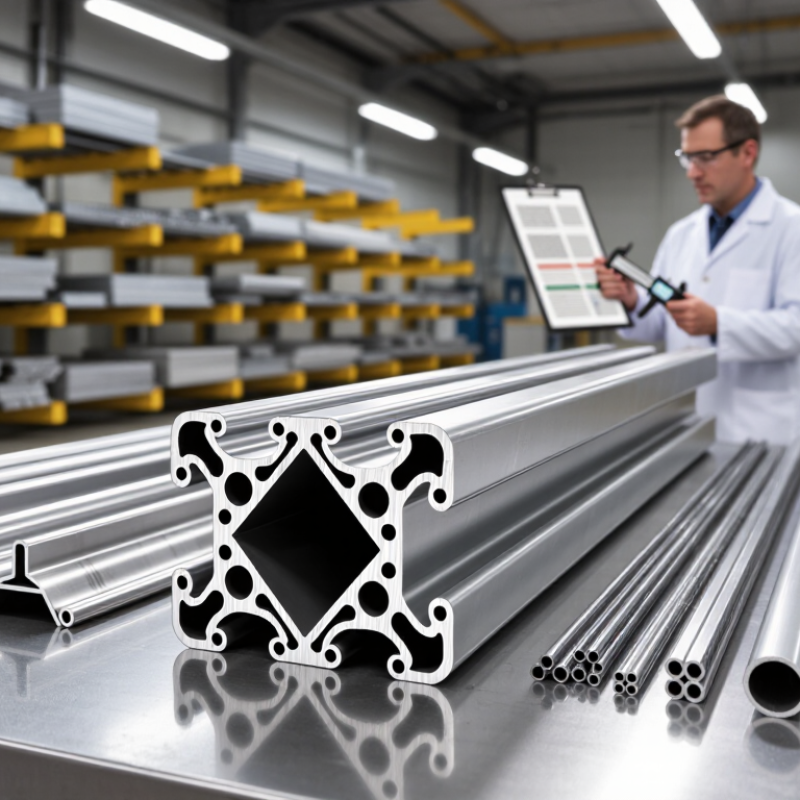
How to Choose Aluminum Strength for Global Sourcing?

Define the Meaning of Aluminum Strength

How to Choose Aluminum Strength for Global Sourcing?

Aluminum strength does not mean one number. It describes how an alloy carries force before yielding, breaking, or deforming permanently. Yield strength matters when a part must keep its shape. Tensile strength matters near final failure. Hardness, fatigue resistance, and elongation also affect real performance. A stronger grade is not automatically better.

ASTM B209 data commonly lists 6061-T6 aluminum plate at about 240 MPa yield strength and 290 MPa tensile strength. For 7075-T6, typical values approach 500 MPa yield strength and 570 MPa tensile strength. These figures depend on thickness, product form, and testing direction. Check the certificate. Do not trust the alloy name alone.

Temper changes the result significantly. The “T6” condition means heat treatment created a harder structure, while softer tempers improve forming. The International Aluminium Institute reported global primary aluminum production above 70 million tonnes in recent years, showing how widely this material is sourced. Yet global availability does not guarantee identical performance. In practice, I compare the required load, safety factor, corrosion exposure, machining route, and local standard before approving a grade. Sometimes I specify strength too aggressively. That can increase cost, reduce ductility, and complicate forming. The better question is not “What is the strongest aluminum?” It is “What strength does this part truly need?”

Identify the Mechanical Requirements of the Application

Choosing aluminum strength starts with the application, not a supplier’s alloy table. Define the actual loads: tension, compression, bending, impact, and repeated cycling. Record peak force, working force, load direction, and expected service life. A 500-kilogram static load differs greatly from a 200-kilogram load repeated millions of times. Small detail, major consequence.

For each part, set measurable limits for yield strength, tensile strength, stiffness, elongation, and fatigue performance. Deflection may control the design before failure does. A thin panel can remain intact yet vibrate, crack around fasteners, or lose alignment. I have seen teams select a stronger alloy when a thicker section would provide better stiffness and simpler machining. Stronger is not always better. Check temperature, moisture, salt exposure, and contact with dissimilar metals. These conditions can change practical performance.

Translate those requirements into a clear sourcing specification. Include alloy family, temper, thickness range, test standard, inspection method, and acceptable property tolerances. Ask for material certificates and independent test reports when the component carries safety-critical loads. Samples should be tested in the finished condition, not only as raw stock. That distinction is often missed. Review welded zones separately because heat can reduce local strength. Prototype the real geometry and loading cycle before approving volume production. My own checklists have failed when they ignored assembly stress. Leave room for revision. A calculation can be correct and still describe the wrong use.

How to Choose Aluminum Strength for Global Sourcing?

Identify the mechanical requirements of the application before selecting an alloy and temper.

The chart compares representative minimum yield strength and ultimate tensile strength values for common aluminum alloys and tempers at room temperature. Use yield strength for permanent-deformation limits and tensile strength for ultimate load assessment. Actual values depend on product form, thickness, temper, heat treatment, and the applicable material standard.

Compare Common Aluminum Alloys and Tempers

Choosing aluminum strength for global sourcing starts with comparing alloy and temper, not just grade numbers. Alloy chemistry affects corrosion resistance, weldability, and basic strength. Temper controls the final mechanical condition. According to ASM Handbook, Volume 2, 6061-T6 typically offers about 276 MPa yield strength. 6063-T5 is closer to 145 MPa, while 7075-T6 can exceed 500 MPa. These are useful benchmarks, not guarantees.

A practical choice depends on the load, shape, and manufacturing route. 5052-H32 often suits formed sheet parts because it combines moderate strength with good bending performance. 6061-T6 fits machined frames and structural profiles. 7075-T6 provides higher strength, but welding and corrosion control become more demanding. The Aluminum Association’s Teal Sheets should confirm temper designations and minimum properties before purchase.

Tips: Request mill certificates, test direction, and hardness data. Compare yield strength, tensile strength, elongation, and section thickness. Do not compare T6 and O temper values casually. They behave very differently. I would also test a production sample. Supplier tables can hide forming losses, heat-treatment variation, or small regional differences. In my experience, the strongest alloy is often the wrong choice when machining, joining, and delivery risk matter more than peak strength. Check the details twice.

Match Strength with Global Sourcing Conditions

Global sourcing conditions can change the best aluminum strength choice. A high-strength alloy may look efficient, but it can create longer lead times, higher machining costs, or fewer qualified suppliers. The International Aluminium Institute reported global primary aluminum production of about 70.6 million tonnes in 2023. This scale does not guarantee every alloy and temper will be available in every region.

Match strength with the supplier network. For formed panels, moderate-strength 5xxx alloys often offer useful corrosion resistance and easier fabrication. For machined brackets, 6xxx alloys may provide better strength-to-weight performance and broader availability. Check tensile strength, yield strength, elongation, and temper condition together. Numbers alone can mislead. I once treated tensile strength as the only gate. That was a mistake.

Shipping distance also affects the decision. A stronger alloy may reduce material thickness, but it can increase scrap when local forming equipment is limited. Ask suppliers for mill certificates, third-party test records, and recent batch data. ASTM and EN material standards help align test methods across countries. The International Aluminium Institute states that recycling aluminum can save up to 95% of the energy used for primary production. Recycled content may support sustainability goals, but its chemistry needs verification. Small composition differences can change weldability and final strength. Recheck the specification after pilot production. Conditions change.

Verify Quality Standards, Certifications, and Supplier Data

When comparing aluminum suppliers, start with the declared alloy and temper, not a sales certificate. An identical 6061-T6 label can hide different control practices. Request the applicable ASTM or EN specification, drawing tolerances, and acceptance criteria. For each lot, obtain a mill test report showing chemical composition, yield strength, tensile strength, elongation, and hardness. Ask for EN 10204 3.1 documentation when contract requirements demand traceability. Also request the heat number from billet to finished shipment. According to the USGS Mineral Commodity Summaries 2024, global primary aluminum output reached about 70 million metric tons in 2023. That scale makes documentation discipline essential. Volume does not equal consistency.

Verify whether tests follow ASTM B557, EN 755, or another contractually named method. Independent laboratories should hold ISO/IEC 17025 accreditation for relevant tests. An ISO 9001 certificate supports process control, but it does not certify every batch. Check the certificate scope, expiry date, issuing body, and production-site address. Then compare three recent lots, not one attractive sample. Industry data from the International Aluminium Institute places annual primary production above 70 million tonnes. Recycling remains a major supply factor. Ask how recycled content is calculated and evidenced. Supplier data can still be incomplete. Photos show surface finish, not internal performance. If a vendor avoids lot records or changes test methods, pause the order. That pause may feel inefficient. It is cheaper than discovering failed profiles after installation. One weakness remains: buyers often verify paperwork after choosing the cheapest quote. Reverse that habit.

FAQS

How should I define aluminum strength requirements?

Start with the real application loads. Record tension, compression, bending, impact, and repeated cycling. Note peak force and working force. A static 500-kilogram load differs from millions of repeated 200-kilogram cycles. Small detail, major consequence.

Which mechanical properties should I specify?

Set measurable limits for yield strength, tensile strength, stiffness, elongation, and fatigue performance. Include acceptable deflection. A panel may not break, yet still vibrate or lose alignment. Deflection can control the design.

Does the strongest aluminum alloy always provide the best solution?

No. A stronger alloy may increase machining difficulty, cost, or delivery risk. A thicker section may provide better stiffness. Stronger is not always better. I have chosen strength before, then regretted the extra processing.

How do alloy and temper affect aluminum performance?

Alloy chemistry affects corrosion resistance, weldability, and basic strength. Temper controls the final mechanical condition. Do not compare hardened and soft conditions casually. They behave very differently.

Which aluminum types suit common parts?

Formed sheet parts often need moderate strength and good bending performance. Machined frames may need higher strength and stable dimensions. High-strength materials can suit demanding brackets, but welding and corrosion control become harder. The shape matters.

What information should a sourcing specification include?

State the alloy family, temper, thickness range, test method, inspection method, and property tolerances. Request material certificates and recent batch data. Specify test direction, hardness, elongation, and strength values. Vague specifications invite uneven results.

Should finished parts be tested?

Yes. Test production samples in their finished condition, not only as raw stock. Forming, machining, and heat can change performance. Review welded zones separately. Prototype the real geometry and loading cycle before volume production.

What environmental conditions can change aluminum strength decisions?

Check temperature, moisture, salt exposure, and contact with dissimilar metals. These conditions may affect corrosion and local strength. Shipping distance also matters. A thinner part can reduce material use but increase forming scrap.

How can global sourcing affect alloy selection?

Availability differs by region, alloy, temper, and thickness. A technically excellent material may have few qualified suppliers. Compare lead time, machining capacity, forming equipment, and inspection quality. Local availability can outweigh peak strength.

What mistakes should I avoid during aluminum selection?

Do not judge materials by tensile strength alone. Check yield strength, stiffness, elongation, fatigue, corrosion, and manufacturability together. Recheck the specification after pilot production. Conditions change. Calculations can be correct and still describe the wrong use.

Conclusion

Choosing the right Aluminum Strength is essential for balancing safety, performance, cost, and sourcing flexibility. Strength should be understood through key mechanical properties such as yield strength, tensile strength, hardness, fatigue resistance, and elongation, rather than through a single number. The application’s load, operating temperature, corrosion exposure, forming requirements, expected service life, and weight limits should be clearly defined before selecting a material.

Different aluminum alloys and tempers provide different combinations of strength, ductility, corrosion resistance, weldability, and machinability. The selected grade should match both the technical requirements and the realities of global sourcing, including regional availability, production capacity, lead times, transportation conditions, and cost stability. Buyers should also verify applicable quality standards, material certifications, test reports, traceability records, and supplier inspection procedures. Comparing documented data from qualified suppliers helps ensure that the chosen aluminum performs consistently and meets project requirements across international supply chains.

Mason

Mason

Mason is a seasoned marketing professional with a deep expertise in the company's offerings and a passion for driving brand awareness. With a strong background in digital marketing strategies, he has an innate ability to connect with diverse audiences and effectively communicate product benefits.......