Kangjian Kangjian

How to Choose the Best Aluminum Cast for Your Projects?

Time:2026-06-22 Author:Sophia
0%

Choosing the right Aluminum Cast for your projects can be challenging. Understanding the qualities of aluminum can make a significant difference. Aluminum Cast materials are versatile and suitable for various applications. However, not all aluminum is created equal. Factors such as alloy composition, casting method, and intended use are critical.

When evaluating Aluminum Cast options, consider the specific requirements of your project. Are you focusing on durability, weight, or corrosion resistance? Each project may demand different properties. Consulting with industry experts can enhance your decision-making process. Researching specifications and past applications can provide valuable insights.

It's important to acknowledge that mistakes can happen. Choosing the wrong Aluminum Cast may lead to project delays and increased costs. Reflecting on past experiences can help avoid future missteps. By prioritizing quality and aligning your selection with project needs, you can achieve success.
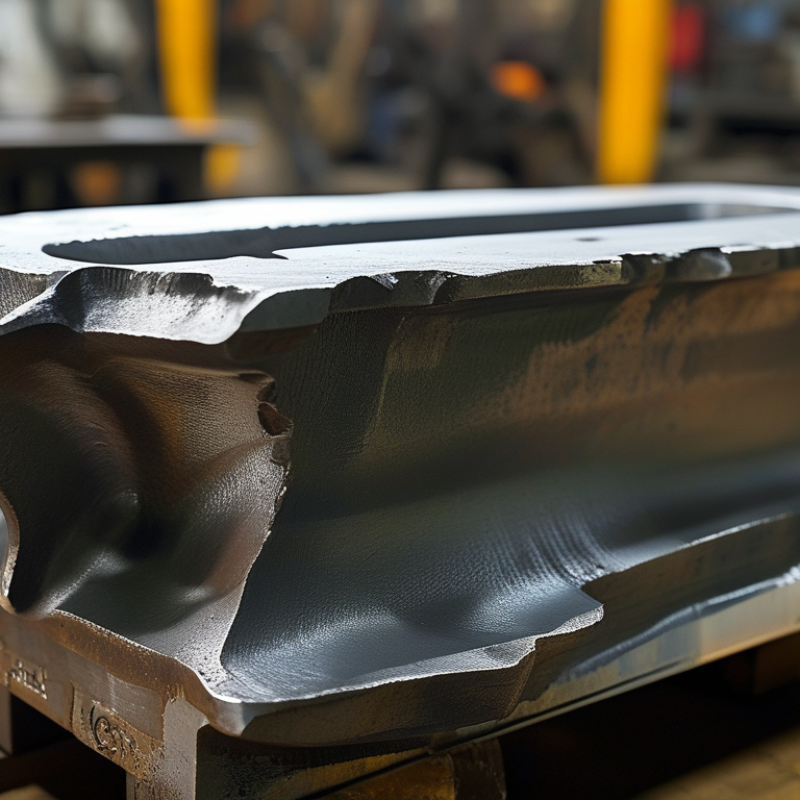
How to Choose the Best Aluminum Cast for Your Projects?

Understanding Different Types of Aluminum Casting Alloys

When selecting an aluminum casting alloy, understanding the different types is crucial. Aluminum alloys are classified mainly into two categories: wrought and cast. Cast aluminum alloys typically include the A-casting series (notably A356 and A380), which are known for their excellent fluidity and strength under pressure. According to the Aluminum Association, these properties enable intricate shapes and robust designs.

A356 is often favored for structural applications, providing high corrosion resistance. Conversely, A380 is utilized in applications where complex geometries are required. It offers good mechanical properties and is widely used in automotive and aerospace applications. The ASTM standards also highlight that A380 has a high tensile strength of 310 MPa, promoting its reliability in demanding conditions.

Yet, choosing an alloy isn't straightforward. Each has its challenges. For example, A356 may require additional finishing processes due to its surface roughness. Likewise, A380 can suffer from porosity, leading to weaknesses if not properly handled. Understanding these nuances can dramatically influence the performance of your projects, making informed choices vital for successful outcomes.

Aluminum Casting Alloys: Mechanical Properties Comparison

This chart compares the mechanical properties of different aluminum casting alloys, specifically their tensile and yield strengths measured in megapascals (MPa). Understanding these properties can help in choosing the right alloy for specific applications in your projects.

Evaluating Mechanical Properties for Your Project Needs

When selecting the best aluminum cast for your projects, evaluating mechanical properties is crucial. Different aluminum alloys have unique characteristics that make them suitable for various applications. For example, some alloys offer high strength while others excel in corrosion resistance. Understanding these properties can prevent costly mistakes during your project.

Mechanical properties include tensile strength, yield strength, and hardness. Tensile strength reflects how much stress the aluminum can withstand before breaking. Yield strength indicates the point at which the material deforms. Hardness defines how resistant the aluminum is to scratching and wear. Assessing these qualities helps ensure that the chosen cast meets your project's demands.

Remember, not all aluminum casts are created equal. Some may perform well under certain conditions but fail in others. Testing a sample piece can offer insights into how it will behave in real-world situations. It's essential to reflect on your project requirements and match them with the right material properties for success.

Analyzing Casting Processes and Their Suitability

When selecting an aluminum cast, understanding different casting processes is crucial. Each method has its own strengths and limitations. Die casting is known for producing precise, high-volume parts. It’s efficient but can be costly for small runs. On the other hand, sand casting offers versatility and lower costs, making it suitable for custom jobs.

Consider your project's requirements carefully. Factors like surface finish, weight, and strength play key roles in your decision. If you're aiming for a smooth finish, you might lean towards die casting. But if you need quick prototyping, sand casting could be more effective.

Tips: Think about the scale of your project. For large batches, die casting shines. For small or unique projects, opt for sand casting. Test different methods with small samples to identify what works best. Remember, each choice impacts both quality and cost. Be prepared to reevaluate your needs throughout the project lifecycle. Addressing imperfections early can save time later.

Considering Surface Finishing Techniques for Aluminum Castings

When selecting aluminum castings, surface finishing is crucial. Various techniques enhance aesthetics and performance. Common methods include anodizing, powder coating, and polishing. Each technique impacts durability and appearance.

Anodizing increases corrosion resistance by creating a protective layer. This technique can improve overall lifespan. According to a 2022 industry report, anodized aluminum parts can last up to 30% longer than untreated counterparts. Powder coating provides a colorful, durable finish that withstands harsh conditions. It can add up to 25% more resistance to wear and scratches, which is vital for outdoor applications.

Polishing can create a mirror-like surface. However, it often requires more maintenance. Some imperfections may remain after polishing, leading to performance issues over time. It's essential to assess your project's needs. The right surface finish can significantly influence your aluminum casting's function and longevity. Understanding these nuances can make a considerable difference.

How to Choose the Best Aluminum Cast for Your Projects? - Considering Surface Finishing Techniques for Aluminum Castings

Casting Type Surface Finish Techniques Benefits Considerations
Die Casting E-coating Excellent corrosion resistance Cost and time of application
Sand Casting Powder Coating Durable and aesthetic finish Thickness inconsistency
Permanent Mold Casting Anodizing Enhanced wear resistance Surface color may vary
Investment Casting Polishing Smooth surface finish Time-consuming process
Centrifugal Casting Chemical Finishing Improved fatigue resistance Chemical handling safety

Assessing Cost Factors and Supplier Options for Quality Aluminum Casts

When choosing aluminum casts for your projects, cost factors are crucial. Quality aluminum casts can vary significantly in price. It’s essential to analyze what you can afford without compromising on quality. Cheap options might appear appealing, but they may lead to durability issues. Poor-quality aluminum can cause defects in your final product. Therefore, establishing a reasonable budget is a step in the right direction.


Supplier options play a significant role as well. Researching multiple suppliers can give you a broader idea of what is available. Look into each supplier’s reputation and history. Reliability is key when selecting a supplier for aluminum casts. Reviews and testimonials can provide insights into their customer service and product quality. Sometimes, suppliers might offer limited warranties, which can add peace of mind.


Don’t overlook the importance of sustainability in your choices. Some suppliers focus more on eco-friendly practices. This could influence your project’s overall impact. Balancing cost, quality, and ethical sourcing can be challenging. However, taking the time to reflect on these factors will lead to a more informed decision.

FAQS

: Why is evaluating mechanical properties important for aluminum casts?

: Mechanical properties help in selecting the right material for specific project needs. They prevent costly mistakes.

What key mechanical properties should I consider?

Consider tensile strength, yield strength, and hardness for aluminum casts. Each property defines the material's capabilities.

How does tensile strength affect my project?

Tensile strength shows how much stress the aluminum can handle before breaking. It is crucial for strength-dependent applications.

What is the significance of yield strength?

Yield strength indicates when aluminum deforms. This is important for projects that require specific shape retention under stress.

How can I assess the hardness of aluminum?

Hardness determines resistance to scratching and wear, which affects durability. Look for tests that measure this property.

What should I know about different casting processes?

Each casting method has strengths and weaknesses. Understanding them helps match the process to your project's unique demands.

When should I use die casting?

Die casting is best for high-volume, precise parts. It may be cost-prohibitive for smaller runs or less detailed work.

Why might sand casting be a better choice?

Sand casting is more versatile and lower in cost, ideal for custom jobs and quick prototypes.

How should I evaluate casting methods for my project?

Test small samples from different methods to see which meets your requirements for quality and cost.

What should I do if issues arise during the project?

Address imperfections early to avoid delays later. Be open to reassessing your project needs for better outcomes.

Conclusion

When selecting the best aluminum cast for your projects, it is essential to understand the various types of aluminum casting alloys available. Different alloys cater to specific mechanical properties, influencing the strength, durability, and weight required for your application. Evaluating these properties will help ensure that the aluminum cast meets your specific project needs.

In addition to alloy selection, analyzing the casting processes—such as sand casting, die casting, and investment casting—is crucial for determining the most suitable method for your requirements. Consideration of surface finishing techniques is also important, as they can enhance both the aesthetics and performance of aluminum casts. Finally, assessing cost factors and exploring options among suppliers can further streamline your decision-making process, ensuring you obtain quality aluminum casts that fit your budget and project specifications.

Sophia

Sophia

Sophia is a dedicated marketing professional with an exceptional depth of knowledge about her company's products and services. With a keen understanding of market trends and customer needs, she crafts insightful blog posts that not only inform but also engage readers, enriching the company’s online......