Kangjian Kangjian

How to Choose the Right Aluminum Pipe for Your Needs?

Time:2026-06-25 Author:Mason
0%

Choosing the right Aluminum Pipe can be more challenging than it seems. Various factors come into play, affecting your decision. An Aluminum Pipe is known for its lightweight nature and strong durability, making it a popular option across multiple industries.

When selecting, consider your specific needs. Not all Aluminum Pipes are created equal. Their sizes, alloys, and applications vary significantly. Perhaps you need a pipe for structural support or fluid transport. Each application has its unique requirements. Additionally, the environment matters. Some Aluminum Pipes perform better under various weather conditions. You might struggle to find the perfect match, but understanding the basics can simplify the process.

It's essential to reflect on your choices before finalizing. Asking the right questions is crucial. Are you prioritizing strength, weight, or corrosion resistance? The answers will guide you through the selection maze. A well-chosen Aluminum Pipe can enhance your project, but a poor choice may lead to complications down the line. This journey requires careful thought and a bit of trial and error.
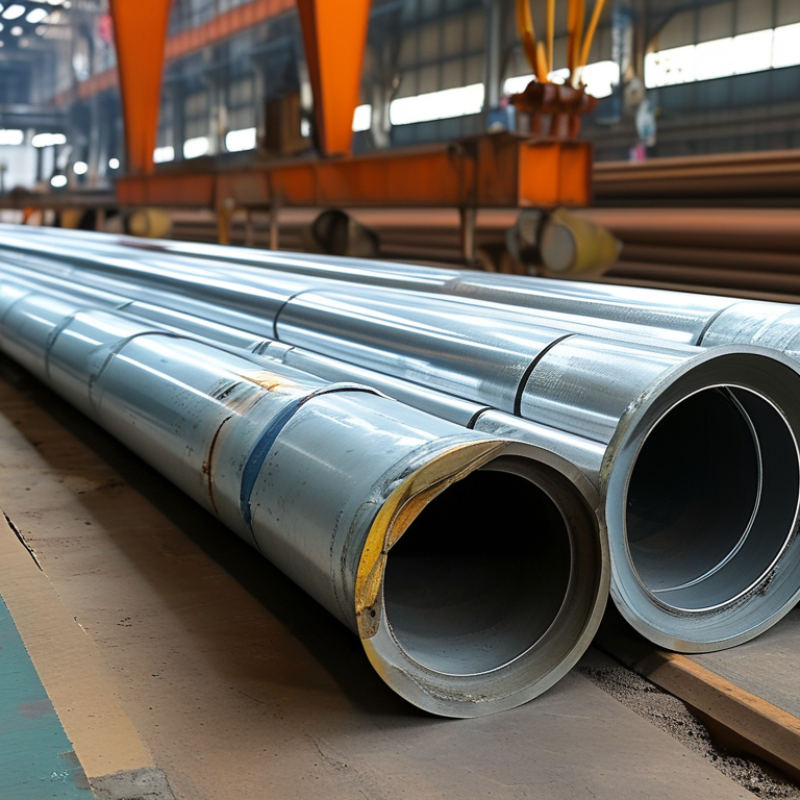
How to Choose the Right Aluminum Pipe for Your Needs?

Types of Aluminum Pipes and Their Applications

When selecting aluminum pipes, understanding their types and applications is essential. Aluminum pipes come in various grades and shapes, influencing their functionality. Common types include round, square, and rectangular pipes. Each type has specific uses. For instance, round pipes are often used in structural applications, while square pipes are typical for aesthetic frameworks.

The applications vary widely. In construction, aluminum pipes are valued for their lightweight nature and strength. They often support scaffolding or serve as railings. In automotive industries, these pipes may transport fluids efficiently, thanks to their corrosion resistance. However, using the wrong type can lead to inefficiencies or safety issues. It's important to assess the environment where the pipe will be used.

Re-evaluating your choice is wise. Consider factors like weight, strength, and durability. In some cases, the initial selection might not perform as expected. Take time to consult experts or conduct tests. This can save you from costly mistakes later on, ensuring the aluminum pipe you choose meets all necessary standards.

How to Choose the Right Aluminum Pipe for Your Needs? - Types of Aluminum Pipes and Their Applications

Type of Aluminum Pipe Diameter (inches) Wall Thickness (inches) Weight (lbs/ft) Common Applications
6061 Aluminum Pipe 0.5 0.065 0.5 Structural components, marine applications
6063 Aluminum Pipe 1.0 0.080 1.0 Architectural applications, window framing
Round Aluminum Tube 2.0 0.120 2.5 Pipelines, furniture manufacturing
Aluminum Square Tube 1.5 0.100 1.8 Construction, manufacturing, and automotive

Key Factors to Consider When Choosing Aluminum Pipe

When choosing the right aluminum pipe, several key factors are critical. First, consider the pipe's alloy. Different alloys offer varying levels of strength and corrosion resistance. For instance, 6061 aluminum is known for its versatility and good mechanical properties, making it popular in structural applications. In contrast, 2024 aluminum provides great strength but is less resistant to corrosion. According to industry reports, selecting the proper alloy can enhance the lifespan of the application by at least 30%.

Another important factor is the pipe's wall thickness. A thicker wall provides greater strength but may also add weight. This trade-off is essential in applications like aerospace, where minimizing weight is crucial. Industry studies suggest that for structural components, a wall thickness of at least 0.065 inches is recommended. However, for some applications, thinner pipes may suffice. Companies must analyze their specific requirements and weigh the benefits of durability against potential weight constraints.

Lastly, surface finish plays a significant role in the performance of aluminum pipes. Anodized surfaces can significantly improve corrosion resistance. Reports indicate that anodization can increase corrosion resistance by as much as 25% compared to untreated aluminum. This aspect often gets overlooked but is vital for applications exposed to harsh environments. Each choice leads to reflections on how optimal conditions for use can vary significantly.

Comparison of Aluminum Pipe Grades and Strength

When selecting an aluminum pipe, understanding the grades and their strengths is essential. Aluminum pipes come in various grades, from 6061 to 7075. Each grade has unique properties, making some better suited for specific applications. For instance, 6061 is known for its good corrosion resistance and weldability, while 7075 provides exceptional strength but is less malleable.

Tips: Consider the environment where the pipe will be used. If corrosion is a concern, opt for a higher-grade aluminum. Additionally, assess the required strength. If you need a lightweight yet strong option, 6061 is usually sufficient. However, for aerospace applications, 7075 may be necessary for its superior strength.

Some users might overlook the importance of proper anodization. Anodizing can significantly enhance the pipe's resistance to wear and corrosion. It's crucial to also reflect on whether your project can handle any potential trade-offs in flexibility versus strength. Choosing the right aluminum pipe is about balancing these factors based on your project requirements.

Sizing and Dimensions: What You Need to Know

When selecting an aluminum pipe, understanding sizing and dimensions is crucial. Different applications require specific measurements. The diameter, wall thickness, and length are key factors. For example, larger diameters provide increased flow rates but can add weight. Conversely, smaller pipes are lighter but may restrict flow.

Dimensions often vary by application. For construction, precise measurements are vital. A miscalculation in length or thickness can lead to structural issues. Keep in mind that common sizes might not fit your needs perfectly. Custom sizes are often available but can result in higher costs and longer lead times. Consider if a standard pipe could work, or if you truly need a custom piece.

The wall thickness also impacts strength. Thicker walls increase durability but add weight. Think about where the pipe will be used. Will it face pressure? If so, a thicker wall may be necessary. Reflect on your project’s specific requirements. Balancing size, weight, and strength can be challenging, so careful consideration is essential to avoid future complications.

Aluminum Pipe Size Selection

This bar chart illustrates the weight of aluminum pipes per foot based on their diameter. Selecting the right size is crucial to meet the specific requirements of your project.

Common Industries and Uses for Aluminum Pipes

Aluminum pipes are becoming integral in various industries. Their lightweight nature and corrosion resistance make them appealing for many applications. In construction, aluminum pipes are used for scaffolding. They provide support without adding excessive weight. This is vital for safety and efficiency on job sites.


Automotive industries also utilize aluminum pipes. They are essential in the manufacturing of vehicle components. The ability of aluminum to withstand high temperatures makes it ideal for exhaust systems. However, not all applications are appropriate for aluminum pipes. In some high-stress environments, steel may be a better option.


Aerospace is another sector that relies on aluminum pipes. Their strength-to-weight ratio aids in fuel efficiency. Yet, the specific design and thickness of the pipe must be considered. Choosing the wrong specifications can lead to failure. Users should evaluate every requirement carefully to avoid mistakes in selection.

FAQS

: What are the main aluminum pipe grades?

: Common grades include 6061 and 7075. Each has unique properties suitable for different applications.

How does the environment affect aluminum pipe selection?

Consider corrosion resistance when choosing a grade. Higher-grade aluminum offers better protection against corrosion.

What should I think about when sizing aluminum pipes?

Key factors include diameter, wall thickness, and length. Miscalculations can lead to structural issues later on.

Are custom aluminum pipe sizes available?

Yes, custom sizes can be ordered. However, they often come with higher costs and longer lead times.

How does wall thickness impact aluminum pipe usage?

Thicker walls increase durability but add weight. Consider the pressure and conditions the pipe will face.

Why is anodization important for aluminum pipes?

Anodization enhances wear and corrosion resistance. It's often overlooked but can significantly improve durability.

In what industries are aluminum pipes commonly used?

They are widely used in construction, automotive, and aerospace industries due to their lightweight and corrosion resistance.

What challenges exist in selecting aluminum pipes?

Balancing size, weight, and strength can be difficult. Missteps in selection can lead to project complications.

Can aluminum pipes be used in high-stress environments?

Not always. In certain conditions, steel may be a better choice. Assess your specific application needs.

How can I choose the right aluminum pipe for my project?

Evaluate strength needs, environmental factors, and specific measurements. Reflect on the trade-offs between flexibility and strength.

Conclusion

Choosing the right aluminum pipe involves understanding the various types available and their specific applications. Aluminum pipes come in different grades and strengths, making it crucial to consider factors such as the intended use, environmental conditions, and the mechanical properties required for your project. Additionally, proper sizing and dimensions are vital for ensuring compatibility with other components.

Industries ranging from construction to automotive frequently utilize aluminum pipes due to their lightweight, corrosion-resistant properties. By evaluating the applications and preferences in each sector, you can select the most suitable aluminum pipe for your needs, leading to enhanced performance and efficiency in your projects.

Mason

Mason

Mason is a seasoned marketing professional with a deep expertise in the company's offerings and a passion for driving brand awareness. With a strong background in digital marketing strategies, he has an innate ability to connect with diverse audiences and effectively communicate product benefits.......