In 2026, buying Aluminum Aluminium starts with a clear specification, not a broad price search. Decide whether you need sheet, plate, bar, tube, or another product form. Then record the alloy, temper, dimensions, tolerances, finish, and quantity. A 2 mm sheet for an indoor panel is not interchangeable with a thicker plate designed for structural use. Small differences matter.
Price still matters. So do availability, shipping, and cutting fees. Ask suppliers to state the price basis, lead time, minimum order, and packaging details in writing. Request a current material test report or certificate when your application requires traceable composition and mechanical properties. Check that the document matches the offered alloy, temper, and batch. That matters. A polished product page is not proof of quality.
Compare like with like. A low quote may exclude freight, protective film, or the exact tolerances your project needs. Confirm how the material will be packed; scratched corners and bent edges can create real costs on arrival. Ask how claims are handled, and keep the quote, specification, and delivery records together. Not always. The cheapest offer may be the sensible choice, but only when its grade, condition, and total delivered cost fit the job. This guide explains how to assess suppliers and quotes carefully, while leaving room for a practical truth: specifications can change once a real sample reaches the workshop.
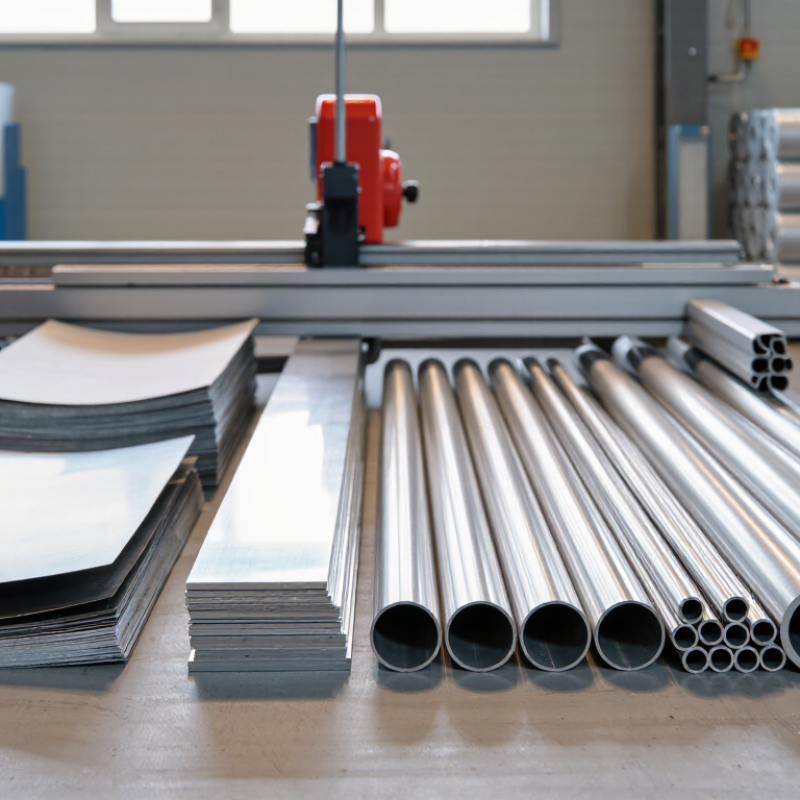
Understand Aluminum Grades, Forms, and Common Applications
Aluminum and aluminium are the same metal, but the right purchase depends on alloy, temper, form, and use.
The USGS Mineral Commodity Summaries 2025 estimates global primary aluminum production reached about 72 million metric tons in 2024. That scale hides important differences: 1xxx alloys offer high conductivity, 3xxx grades suit formed sheet, 5xxx alloys resist corrosion, and 6xxx alloys are common in extrusions and structural parts. Check the temper.
Buy sheet or coil for panels and enclosures, plate for thicker machined parts, and extrusions for frames or rails. A grade number alone is not enough. Temper, thickness, surface finish, and required mechanical properties affect performance and price. Even experienced buyers can miss this: two products with similar alloy labels may behave differently during welding or forming.
Tips: Match the material specification to the actual process, then request a mill test certificate and verify the listed alloy and temper. For recycled-content requirements, ask for documented content rather than assuming it from appearance. The International Aluminium Institute reports that recycling aluminum uses about 5% of the energy needed for primary production. Still, recycled content does not automatically guarantee the properties your project needs.
Specify the Alloy, Dimensions, Quantity, and Quality Requirements
When buying aluminum or aluminium in 2026, name the alloy and temper, not just the product form. “6061-T6 plate” is more useful than “aluminum plate” because alloy and temper affect strength, machinability, and corrosion performance. Check the applicable ASTM or EN specification with your supplier, and confirm that the certificate matches the material delivered. Small details matter.
Give dimensions with units, thickness tolerance, length, width, and any cutting requirements. State the total quantity and whether it is needed as full sheets, standard lengths, or cut pieces. The International Aluminium Institute reported about 70.6 million tonnes of global primary aluminium production in 2023. That figure describes production, not stock available in your region, so confirm lead time and lot availability directly. A neat specification can still miss the real use.
Describe quality in measurable terms: surface finish, flatness, edge condition, allowable defects, and required inspection documents. If the part will be anodized, welded, or exposed to moisture, say so before ordering. Request traceability and a material test certificate when the application requires them. Avoid vague phrases such as “good quality”; define what you will inspect on arrival. It is easy to overlook packaging, but scratched faces or bent corners can turn acceptable stock into costly waste. My own checklist would include one final question: does every stated tolerance match the drawing?
Find Suppliers and Compare Pricing and Credentials
When buying aluminium in 2026, compare like-for-like specifications before comparing prices.
The USGS Mineral Commodity Summaries 2025 estimates global primary aluminium production reached 72 million metric tons in 2024.
That scale does not guarantee every supplier can deliver your required alloy, temper, or dimensions. Ask each supplier for a dated quotation, available stock, lead time, and delivery terms. Request mill certificates. Compare the metal price, regional premium, freight, duties, and payment terms separately. A low quote can still be the wrong buy if its alloy or delivery schedule differs.
Check the details.
Match certificates to the specific lot, and confirm chemistry, dimensions, and traceability before ordering. The International Aluminium Institute reports that about 75% of all aluminium ever produced remains in use today, highlighting the material’s long service life and recycling potential. For recycled content claims, request documented percentages and supporting evidence; wording alone is not verification. Ask whether samples or a small trial order are available. One uncomfortable point: supplier questionnaires can look thorough while missing the exact test records you need. Review those records, clarify gaps in writing, and compare credentials against your actual application.
Review Certifications, Shipping, and Payment Terms
Before buying aluminum or aluminium, ask for a mill test certificate tied to the exact lot. Check that the alloy, temper, thickness, and dimensions match your purchase order. A certificate is useful, but it is not a substitute for inspection. For higher-value orders, agree on an inspection method and acceptable tolerances before production begins. Keep the paperwork linked to the material labels. Small detail, big help.
Shipping terms should state who arranges freight, insurance, loading, and delivery. Clarify the named destination and the applicable Incoterm in the contract. Ask how sheets, coils, or extrusions will be protected from moisture and edge damage. Request photos of packaging before dispatch, especially for long-distance shipments. Also confirm estimated transit time and what happens if cargo arrives short or damaged. This can feel fussy, but unclear responsibility gets expensive fast.
Set payment milestones in writing, including deposit amount, balance due date, and required shipping documents. For a new supplier, consider tying final payment to an agreed inspection or document check. Verify any bank-account change through a separate, trusted contact channel. It is easy to overlook that step when an invoice looks routine. Keep records of quotations, certificates, inspection results, and payment confirmations together. A tidy file can prevent a very untidy dispute.
Place Your Order and Inspect the Delivery
Before placing an aluminum or aluminium order in 2026, put the measurable details in writing: alloy and temper, thickness, width, length, tolerances, quantity, packaging, and delivery date. State which documents must accompany the shipment, such as a material test certificate and heat or lot numbers. The USGS Mineral Commodity Summaries 2025 estimated global primary aluminum production at about 72 million metric tons in 2024. That scale does not make every specification interchangeable. Confirm the exact grade and inspection method with your supplier.
Small details matter. When the load arrives, compare the purchase order, packing list, labels, and certificate before unloading everything. Check the number of bundles and visible markings, then inspect packaging for dents, water exposure, or torn wrapping. Measure sample pieces with suitable tools; record the instrument and readings. Photograph damage and label discrepancies while the goods are still identifiable. The International Aluminium Institute reported roughly 70.6 million tonnes of primary production in 2023, a useful reminder of the industry’s size, not a guarantee about any individual shipment.
A clean surface proves little. Visual checks cannot confirm alloy chemistry, so use the agreed testing process when documentation or appearance raises doubt. Keep affected material separate where practical, and note exceptions on the delivery record before signing. Even a careful receiving check can miss a problem; that is why traceable records matter.
How to Buy Aluminum or Aluminium in 2026? — Place Your Order and Inspect the Delivery
Typical Density of Common Aluminum Materials
Use density as a general reference when reviewing an order, not as proof of alloy identity. On delivery, check the grade and dimensions against your purchase order, and review the material test certificate and any required inspection documents.
Conclusion
Buying Aluminum Aluminium in 2026 starts with understanding how different grades and forms suit specific uses, from general fabrication to more demanding applications. Before requesting quotes, define the alloy, dimensions, quantity, finish, and quality requirements clearly. Precise specifications help suppliers recommend suitable material and reduce misunderstandings during purchasing.
Compare several suppliers by evaluating their product range, experience, pricing, and credentials—not price alone. Review relevant certifications, quality documentation, shipping arrangements, delivery estimates, and payment terms before committing. Once you place an order, confirm that the paperwork matches your specifications and inspect the delivered material for the correct grade, dimensions, quantity, and visible condition. A careful process from planning through delivery can help you make a well-informed purchase and avoid preventable delays or discrepancies.
 Kangjian
