Kangjian
In the fast-evolving world of CNC aluminum sourcing, industry expert John Smith emphasizes, "Quality and precision in sourcing CNC aluminum can redefine your manufacturing process." This statement resonates deeply as businesses increasingly turn to CNC aluminum for its lightweight yet durable properties. The right sourcing strategy can enhance product quality and boost efficiency.
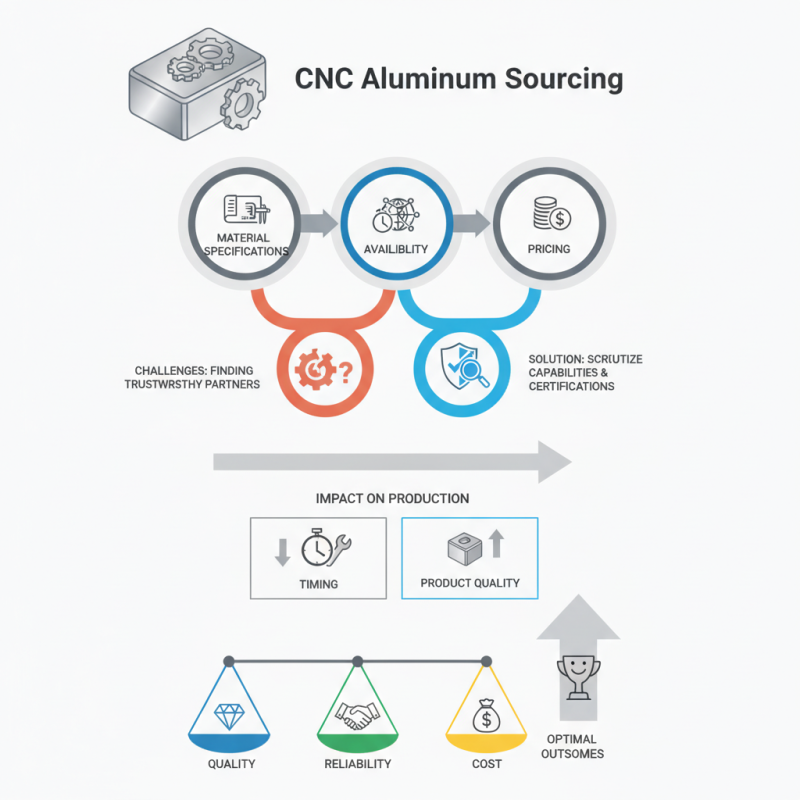
When considering how to source CNC aluminum effectively, various factors come into play. Manufacturers must evaluate suppliers based on material specifications, availability, and pricing. This landscape is not without its challenges. Finding trustworthy partners can be time-consuming and complex. It's crucial to scrutinize supplier capabilities and certifications.
Moreover, the choice of CNC aluminum impacts not only production timing but also the final product. Attention to detail in sourcing can lead to significant improvements in performance and overall satisfaction. Relying solely on price can often lead to compromises. A balanced approach focusing on quality, reliability, and cost will yield better outcomes in the long run.
CNC aluminum is a popular choice in modern manufacturing. Its lightweight nature makes it ideal for various applications, from aerospace to consumer products. Understanding its properties and benefits can significantly influence your sourcing decisions.
The strength-to-weight ratio of CNC aluminum is impressive. This makes it suitable for parts requiring durability without excess weight. The material is also resistant to corrosion, which is vital for products exposed to harsh environments. Furthermore, CNC machining offers precision that ensures product uniformity.
Tips for Sourcing CNC Aluminum:
When sourcing CNC aluminum, finding reliable suppliers is crucial for any manufacturing process. A dependable supplier ensures quality and timely delivery of materials. However, many companies struggle to identify trustworthy partners in a crowded market. The following tips can help in this quest.
Start by conducting thorough research on potential suppliers. Look for reviews and ratings from other customers. Websites dedicated to trade and manufacturing often have valuable insights. Personal recommendations can also steer you toward reputable suppliers. Attend industry events where you can meet potential partners face-to-face. This leads to more informed decisions.
Communication with suppliers is vital. Ask for their certifications and documentation regarding quality standards. Transparency is key. A reliable supplier will be open about their capabilities and provide samples if necessary. Don't hesitate to critique their responses. If a supplier appears evasive, take it as a red flag.
Stay aware that pricing should not be the only factor. Cheaper doesn’t always mean better. Evaluate the long-term costs associated with inferior materials. Prioritize quality over price to avoid future challenges. Trust your instincts; if something feels off, it might be wiser to explore different options.
| Supplier Type | Location | Material Types Offered | Quality Certifications | Lead Time (Days) | Minimum Order Quantity |
|---|---|---|---|---|---|
| Local Manufacturer | USA | 6061, 6063, 7075 | ISO 9001 | 15 | 100 kg |
| Overseas Supplier | China | 6061, 2024, 7075 | ISO 9001, TS16949 | 30 | 500 kg |
| Online Distributor | USA | 6061, 5083 | ISO 9001 | 10 | 50 kg |
| Custom Fabricator | Germany | 6060, 7075 | DIN EN ISO 9001 | 20 | 200 kg |
When sourcing CNC aluminum for manufacturing, understanding cost factors is crucial. The price of CNC aluminum can fluctuate based on market demand and raw material availability. Reports indicate that aluminum prices have risen by 15% over the past year due to increased industrial activity. These changes can significantly affect project budgets.
Consider the size of your order. Large volume purchases often lead to lower per-unit costs. However, smaller orders might incur higher rates due to setup and handling fees. Evaluating these costs before placing an order avoids unexpected expenses.
Tips: Always get multiple quotes. This can help identify the most competitive prices in the market. Additionally, request itemized pricing to see where your money goes. Pay attention to lead times. Long waits can delay overall production, impacting your timeline. Remember, balancing quality with cost is essential. When cheap is the priority, quality might suffer.
When sourcing CNC aluminum for manufacturing, quality control is paramount. Effective procurement involves understanding the standards for material selection and fabrication. This ensures the final product meets specifications and withstands required tolerances.
Tip: Establish Standards
Define clear quality standards before engaging with suppliers. This helps minimize misunderstandings and aligns expectations.
Quality control begins with selecting reputable suppliers. Evaluate their track record, certifications, and reviews. A supplier’s experience in CNC aluminum tells you a lot about their reliability.
Tip: Regular Audits
Conduct regular audits of your suppliers. This can highlight areas for improvement and build a more transparent relationship.
It’s natural to face challenges during procurement. Materials may not always meet your expectations. Addressing these issues requires open communication with suppliers.
Tip: Feedback Loop
Create a feedback loop with suppliers. This encourages continuous improvement and helps avoid repeating mistakes. Quality control is a journey, not a destination in CNC aluminum sourcing.
When sourcing CNC aluminum, logistics and supply chain play crucial roles. Efficient delivery ensures your manufacturing process runs smoothly. Delays can disrupt production schedules and impact your bottom line. Therefore, understanding how to navigate these challenges is essential for success.
Consider the distance between suppliers and your facility. Longer distances may lead to increased shipping times and costs. Choose suppliers located closer to minimize delays. However, local options may come with higher prices, requiring careful evaluation of trade-offs.
Tips: Establish strong communication with your suppliers. Regular updates on production and shipping can help you anticipate issues. Using multiple suppliers can reduce risks while diversifying your options. Analyze their delivery times and reliability. This research will be invaluable as you make sourcing decisions.
Modern technology can streamline logistics. Leverage tracking systems for real-time updates on your shipments. It offers visibility and helps you adjust plans if necessary. This adaptability can be a game changer for maintaining production schedules. Remember, a flexible approach can mitigate disruptions while ensuring you receive high-quality CNC aluminum for your manufacturing needs.
: Conduct thorough research on potential suppliers. Look for reviews and ratings from previous customers.
Effective communication builds trust and transparency. Ask for certifications and quality documentation for clarity.
No, cheaper options can lead to future challenges. Focus on long-term costs and prioritize quality instead.
Address the issue with your supplier. Open communication is essential for resolving procurement challenges.
Establish clear quality standards and evaluate suppliers' track records to minimize misunderstandings.
Regular audits can highlight areas for improvement and enhance transparency in your partnership.
Delays in logistics can disrupt production schedules. Efficient delivery is crucial to maintain smooth operations.
Longer distances may increase shipping times and costs, so evaluate local options against their prices.
Use tracking systems for real-time shipment updates, helping adjust plans and maintain production schedules.
Encourage continuous communication to address issues and promote improvements over time. Quality control is an ongoing process.
In sourcing CNC aluminum for manufacturing needs, it is crucial to understand its properties and benefits, including lightweight strength and corrosion resistance. Identifying reliable suppliers who provide high-quality CNC aluminum materials is essential to ensure production efficiency and longevity of products.
Cost factors play a significant role in the sourcing process; evaluating material pricing and potential additional expenses contributes to budget management. Implementing best practices for quality control is vital, as it guarantees the aluminum meets necessary specifications. Lastly, addressing logistics and supply chain considerations ensures timely delivery, thereby minimizing downtime in manufacturing operations. By focusing on these aspects, manufacturers can successfully source CNC aluminum to meet their production demands.
