Kangjian
Kangjian
Kangjian
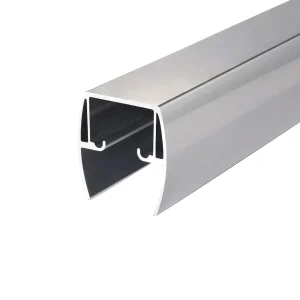
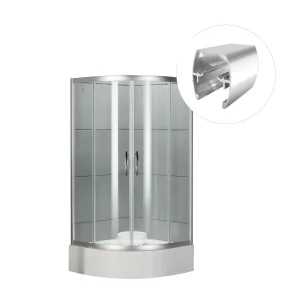
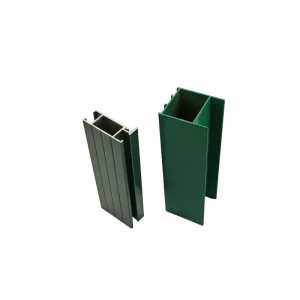
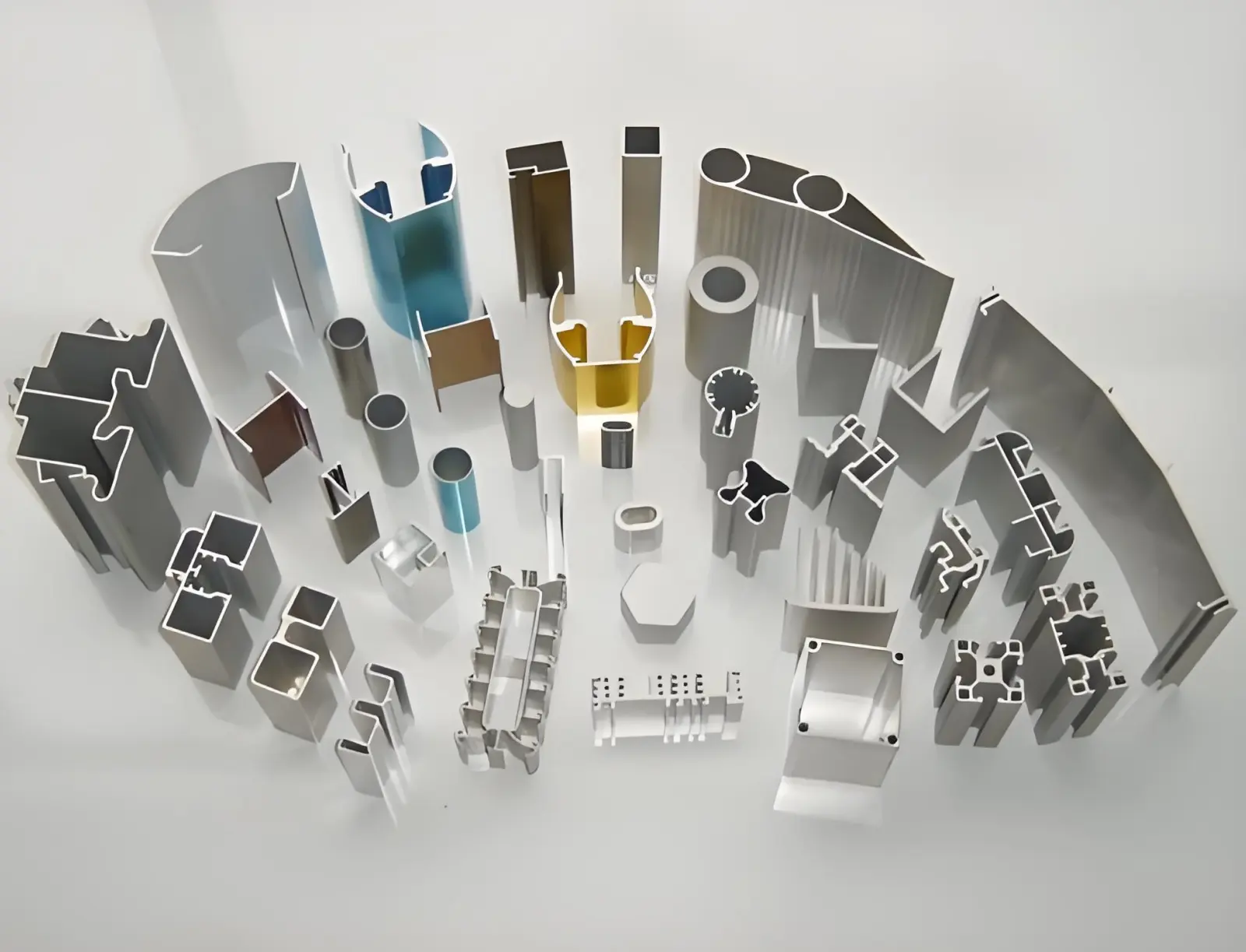
Modern commercial and residential architectural projects are increasingly demanding large-span glass openings that integrate internal spaces with external environments. Traditional structural materials like steel or timber are often hindered by weight limitations, maintenance demands, or thermal performance constraints. As a result, structural aluminum profiles have become the gold standard. High-performance aluminum sliding door systems rely on thin, ultra-stable profiles capable of holding heavy, multi-layered insulated glazing units (IGUs) without flexing under high wind pressure.
To support spans of up to several meters, manufacturers must design complex multi-chambered extrusion designs with structural walls fabricated from high-tensile architectural alloys. Alloy 6063, tempered to T5 or T6, provides the optimal balance of extrusion ease, surface finish potential, and yield strength, making it the primary choice for global door and window systems.
As green building initiatives like LEED and BREEAM dictate strict building energy codes worldwide, thermal transmission through framing materials is under intense scrutiny. Aluminum is naturally highly conductive, meaning an un-insulated frame acts as a thermal bridge, releasing indoor heat during winter and allowing solar heat gain in summer. To counter this, advanced aluminum sliding door factories utilize polyurethane or polyamide thermal break barriers. These insulating strips, usually made from reinforced polyamide 66 with 25% glass fiber (PA66 GF25), split the interior and exterior aluminum profiles, drastically lowering the overall thermal transmittance (U-value) of the system.
Sliding doors are heavily exposed to environmental wear, particularly in coastal developments where salt air accelerates oxidation. Leading factories apply high-durability surface finishes, including chemical anodizing and electrostatic powder coating. Anodizing thickens the aluminum's natural oxide layer, producing a hard, metallic, scratch-resistant surface. Meanwhile, powder coating offers infinite color palettes and textures. Fluorocarbon (PVDF) wet-spray coatings are also utilized for major commercial high-rises due to their unparalleled color retention under continuous solar radiation.
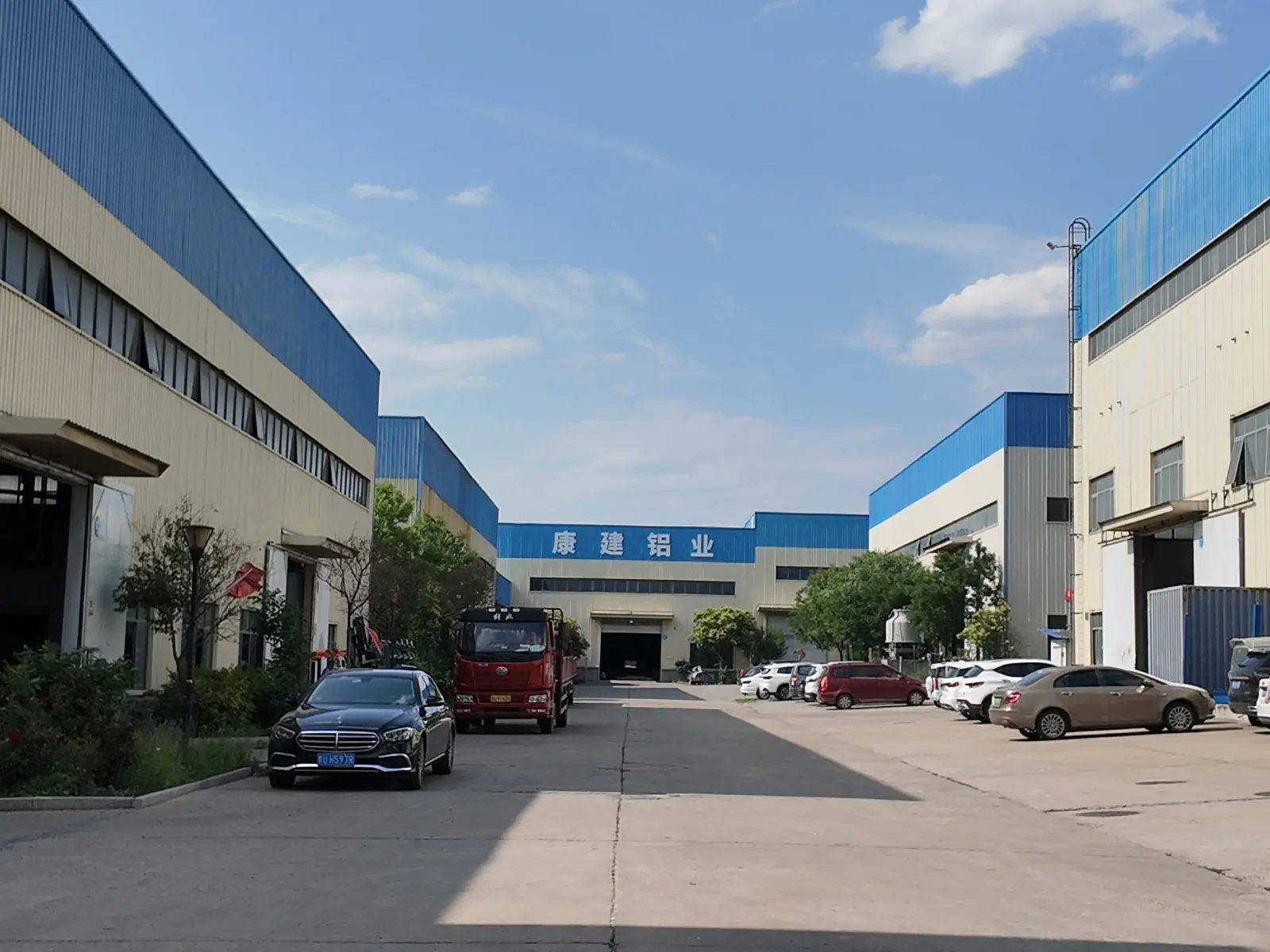
Qingdao Kangjian Aluminum Industry Technology Co., Ltd., located in the Jimo District of Qingdao, is a certified powerhouse in the production of high-performance aluminum and aluminum alloy products. Established officially in 2022, the company has quickly risen to become the largest aluminum profile manufacturer in the Qingdao region. We specialize in producing heavy-duty structural profiles for subways, high-speed railways, automotive structures, marine engineering, and modern energy-efficient building systems.
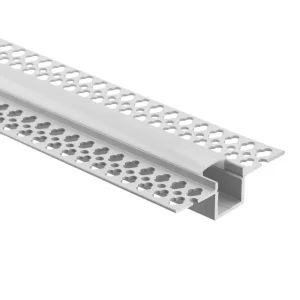
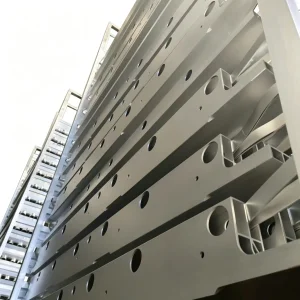
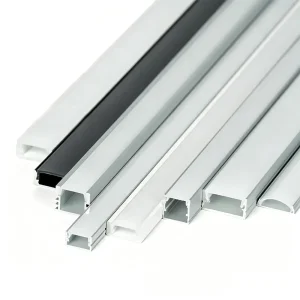
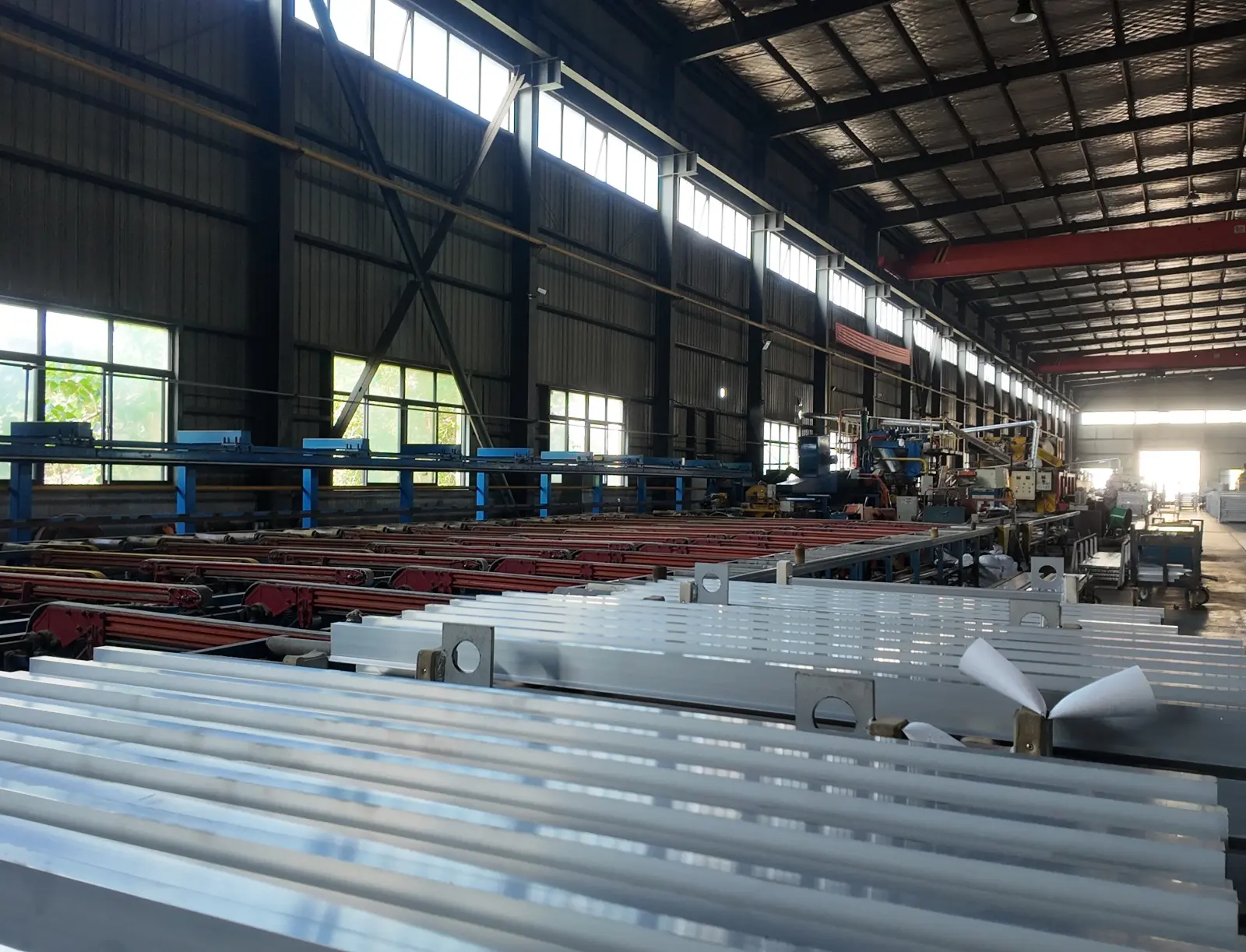
Strategically positioned near international shipping lanes, our 200-mu industrial park features 80,000 square meters of production space and a dedicated 4,000 square meter office complex. With our initial 15,000-ton annual output facility fully operational, our site runs five advanced hydraulic extrusion presses. Our press lineup includes two 700T units, one 1150T unit, one 1450T unit, and a high-capacity 2500T extrusion press. This diverse range of equipment allows us to extrude anything from intricate, thin-walled profiles for LEDs to large-cross-section structural members used in industrial framing and heavy architectural sliding door systems.
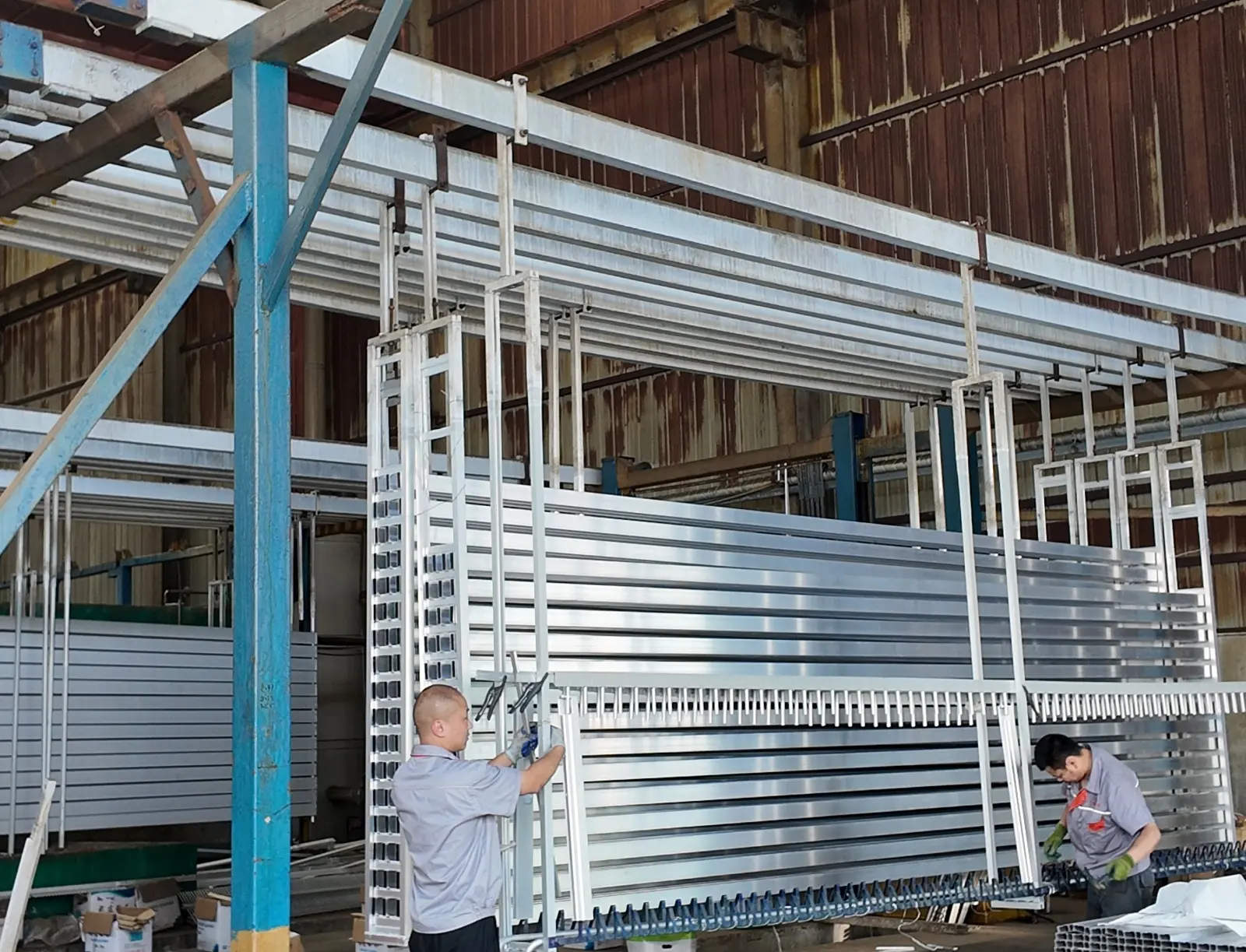

"Producing high-end aluminum materials and serving global customers" is the driving force behind Kangjian Aluminum Industry. Our company was founded by industry veterans to fill the domestic gap in high-precision structural extrusions. Backed by the logistics advantages of Qingdao Port, we have expanded our reach beyond domestic hubs like Guangdong, Jiangsu, Beijing, and Hunan into high-end international markets, including South Korea, Japan, North America, and Europe. From Nordic port gantry cranes to green building developments worldwide, Kangjian's reliable structural materials are engineered to perform in the toughest environments.
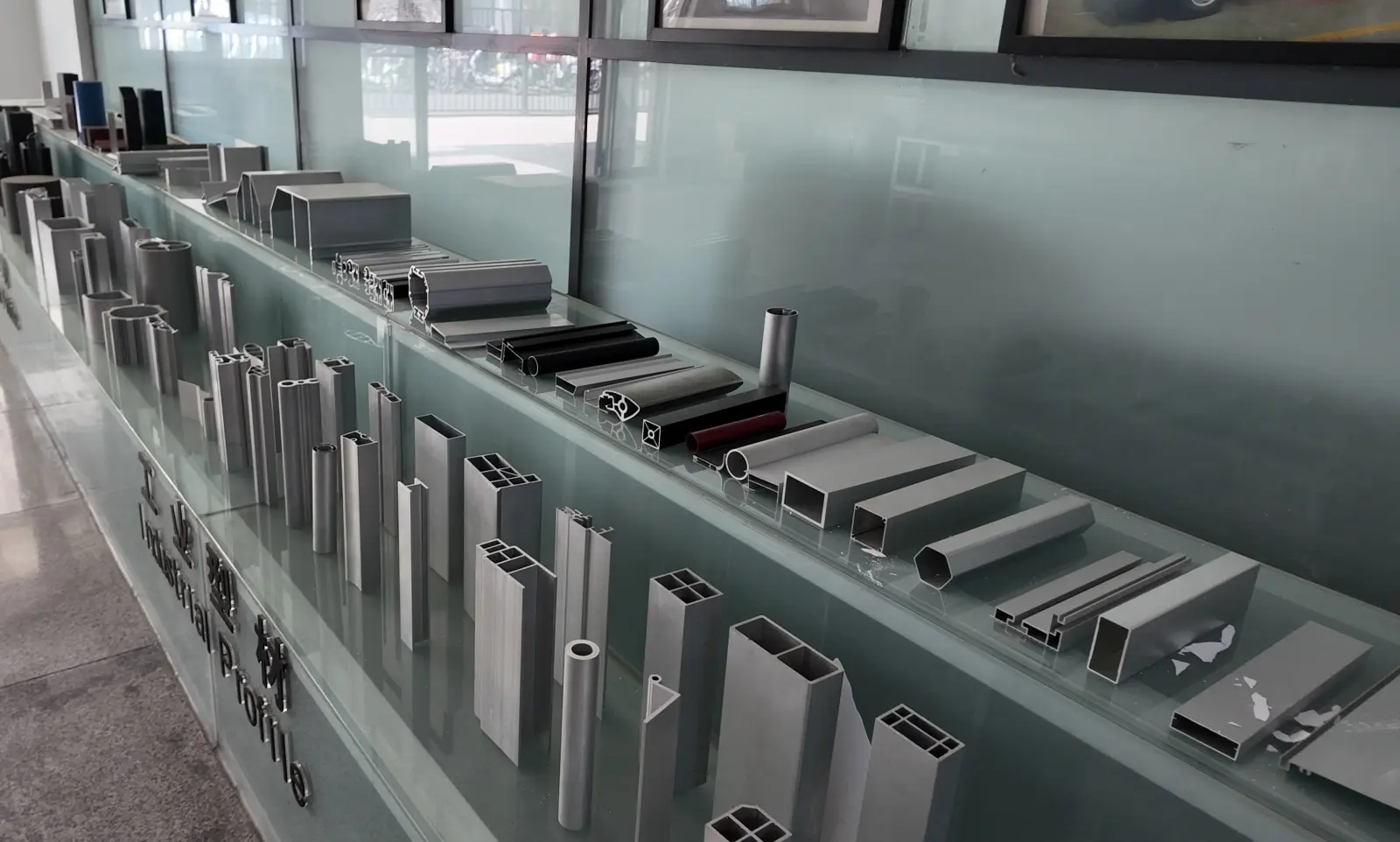
1. Innovation-Driven Solutions: We continually design cutting-edge solutions to help clients realize complex architectural and industrial designs.
2. Rigorous Quality Standards: Quality is our foundation. We manage every step of production to ensure our profiles meet and exceed global specifications.
3. Strategic Partnership: We offer flexible, transparent, and highly efficient manufacturing services, backed by optimized international logistics to support our clients' supply chains.

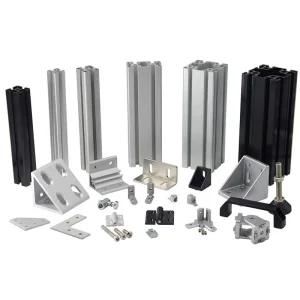
Heavy-duty structural frames, modular conveyor components, electronics heat sinks, and solar mounting structures designed for longevity under mechanical stress.
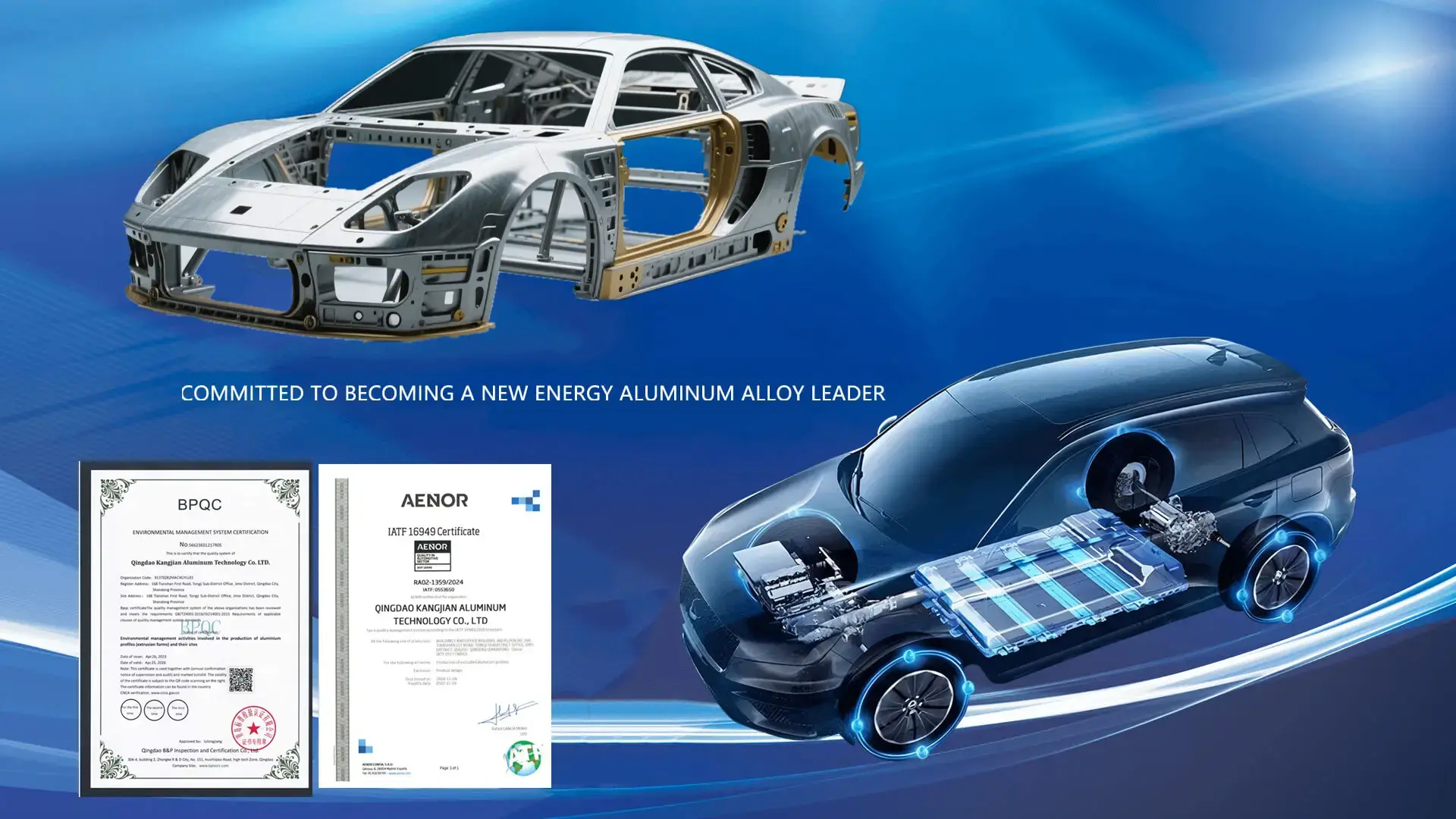
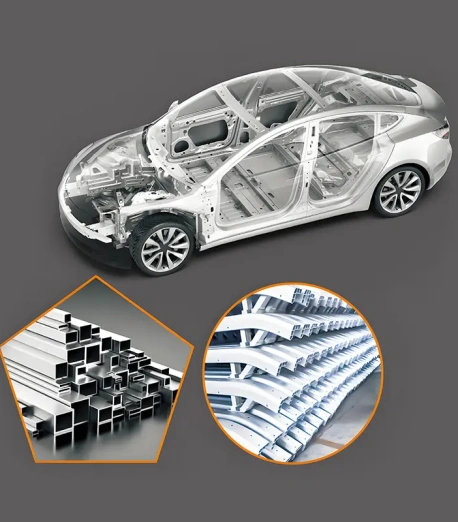
Lightweight alloy structures that help reduce vehicle weight, improve EV battery housing, and enhance collision protection frames.
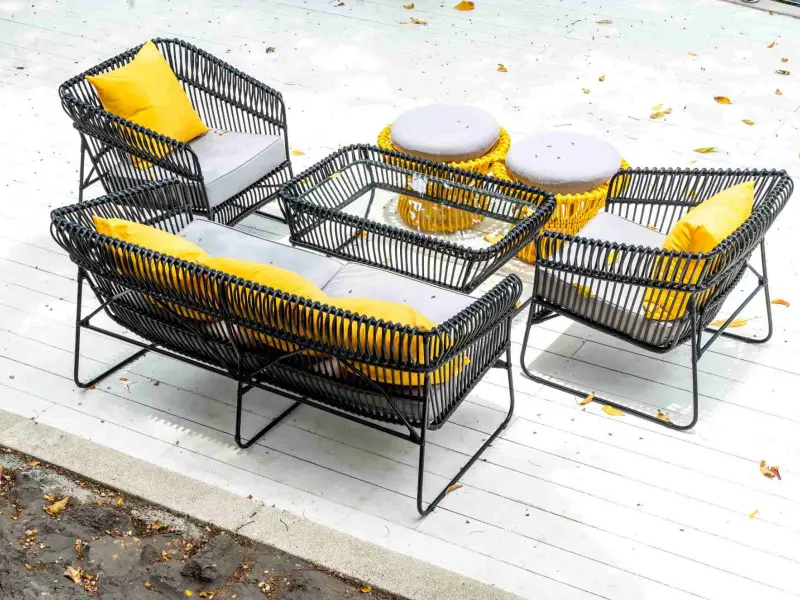
Alloy extrusions treated with specialty coatings to resist rust, moisture, and fading in harsh outdoor conditions.
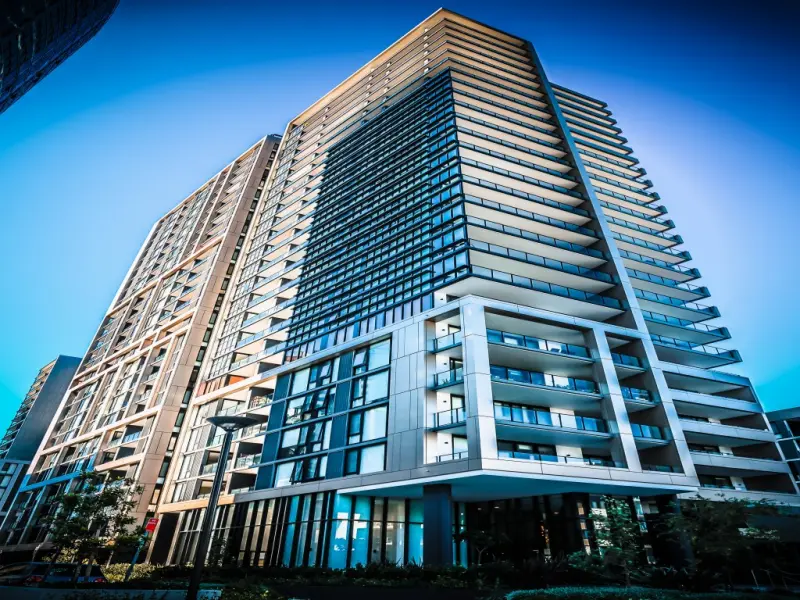
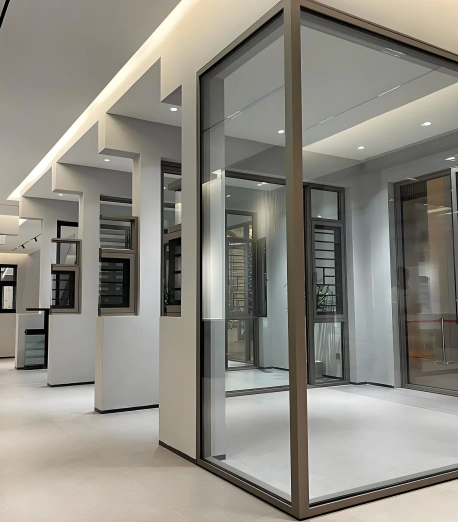
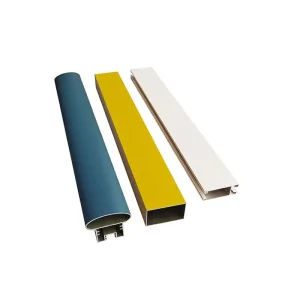
Architectural curtain wall elements, slim-frame sliding door profiles, and high-performance thermally broken window framing.
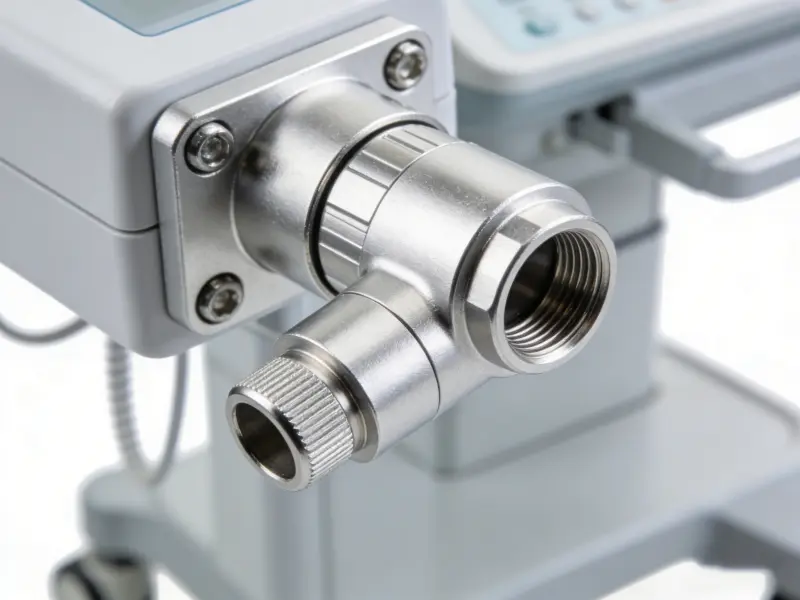
Ultra-clean, high-precision anodized profiles tailored for medical equipment framing, hospital beds, and clinical enclosures.
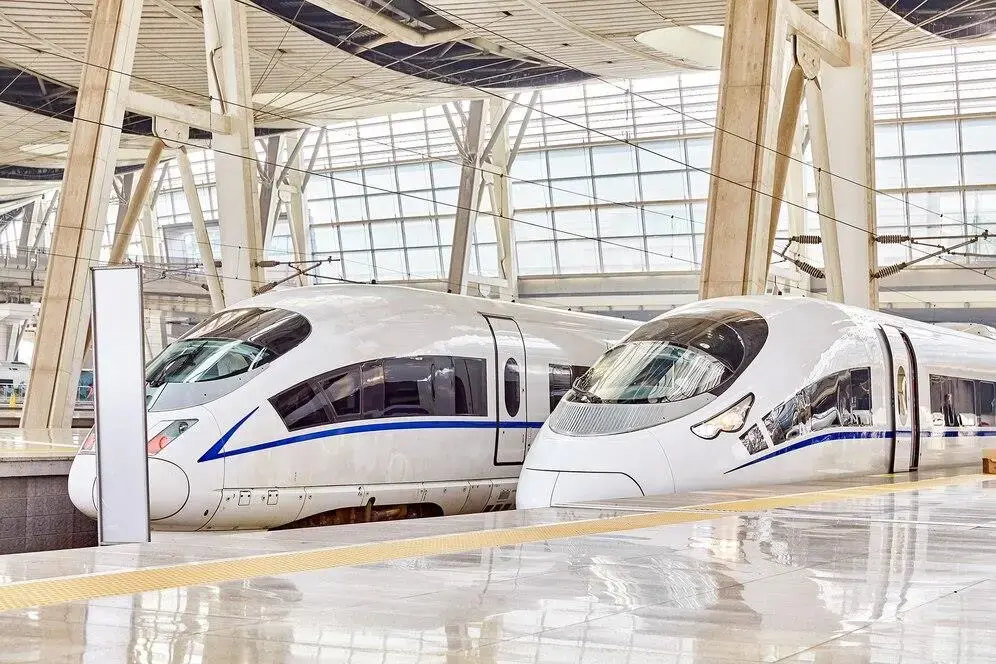
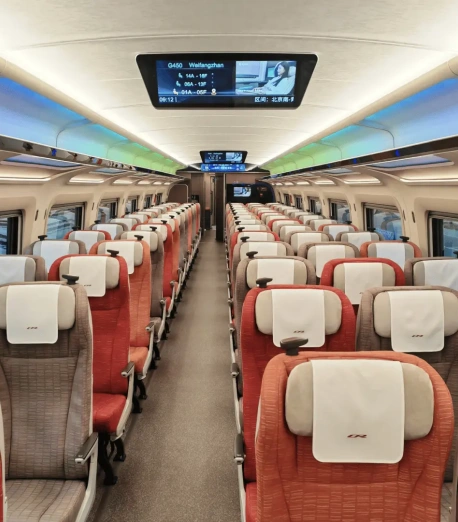
High-strength structures designed for high-speed rail cars, shipping containers, and industrial logistics platforms.
Our engineers analyze your drawings to optimize wall thickness, weight distribution, and assembly tolerances before cutting the extrusion die.
Alloys are heated and pressed through custom dies using our 700T to 2500T extruders, followed by precision air/water cooling and aging treatments.
Profiles undergo in-house anodizing, electrostatic powder coating, or PVDF spraying to achieve targeted thickness and salt-spray resistance.
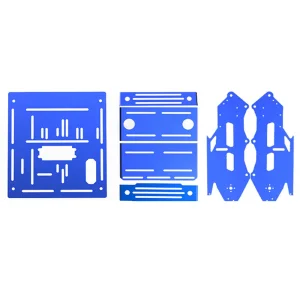
Profiles are cut, milled, and drilled on CNC centers. They are then wrapped in protective film and packed in reinforced crates to prevent damage during sea transport.
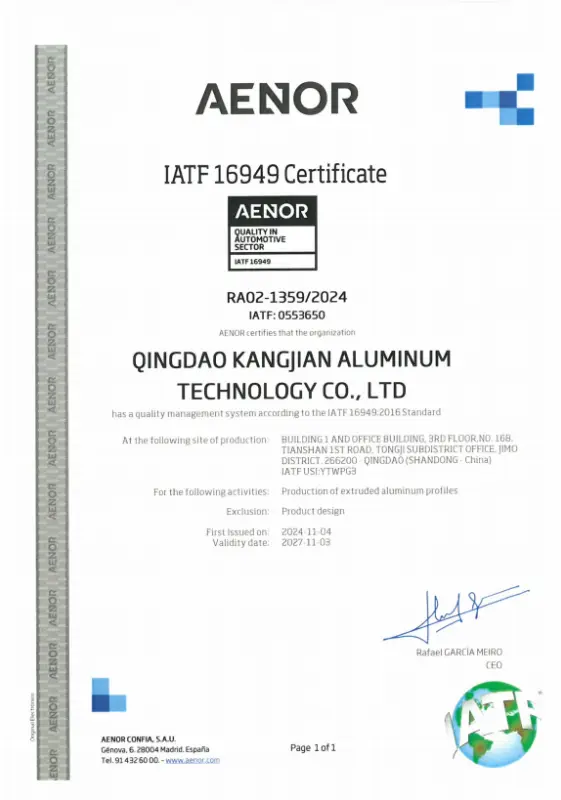
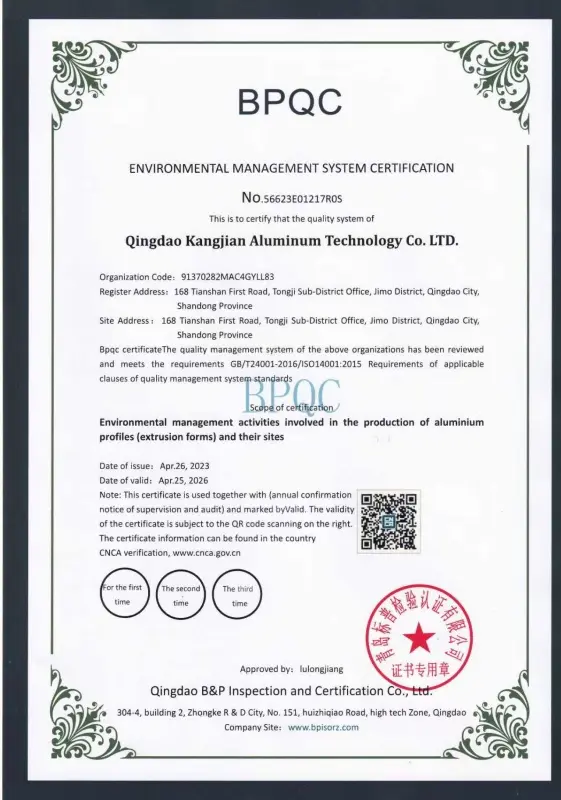
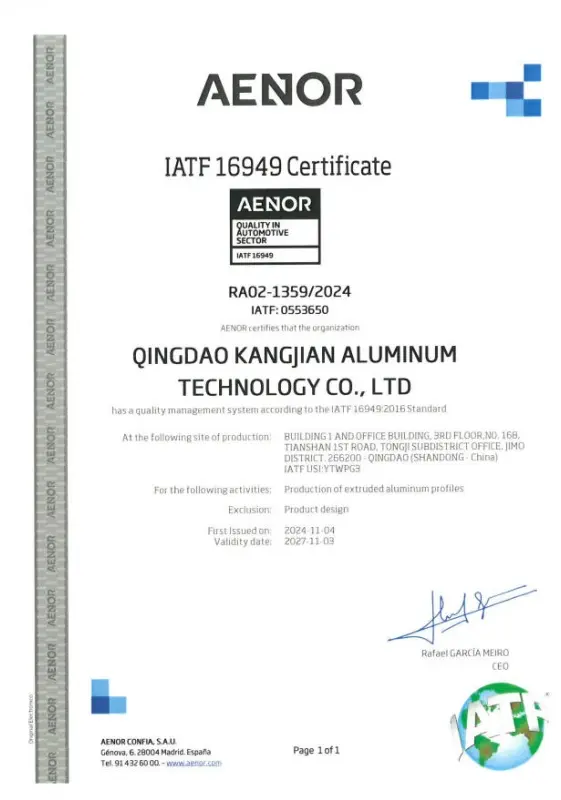
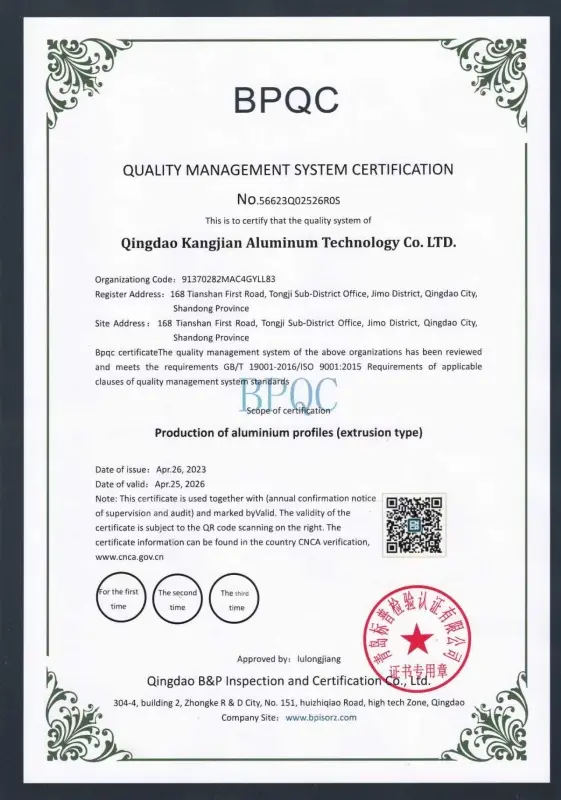
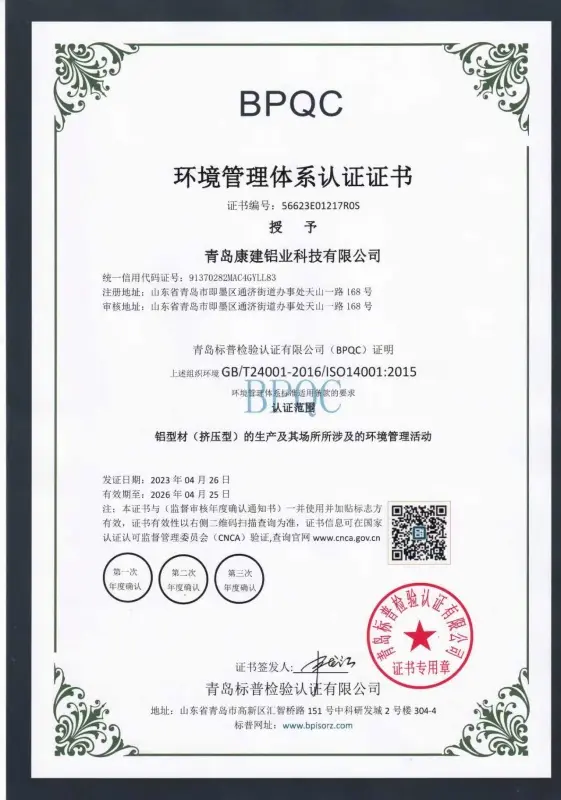
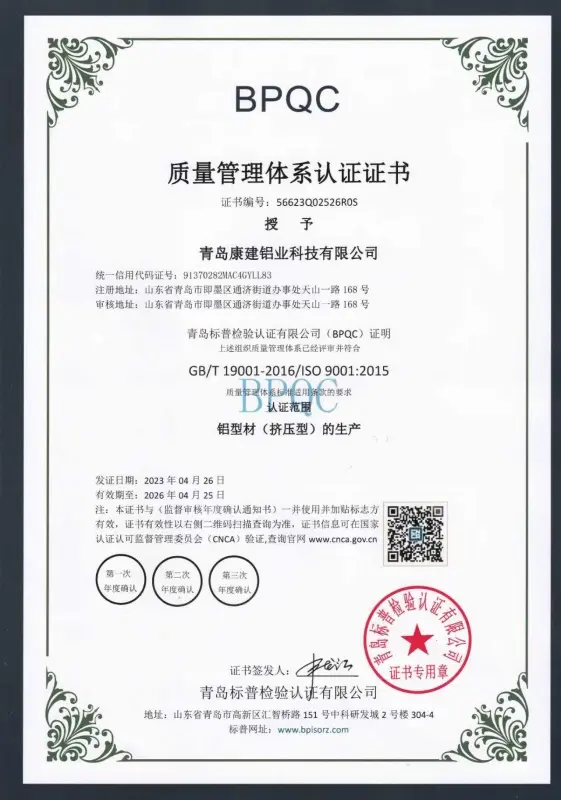
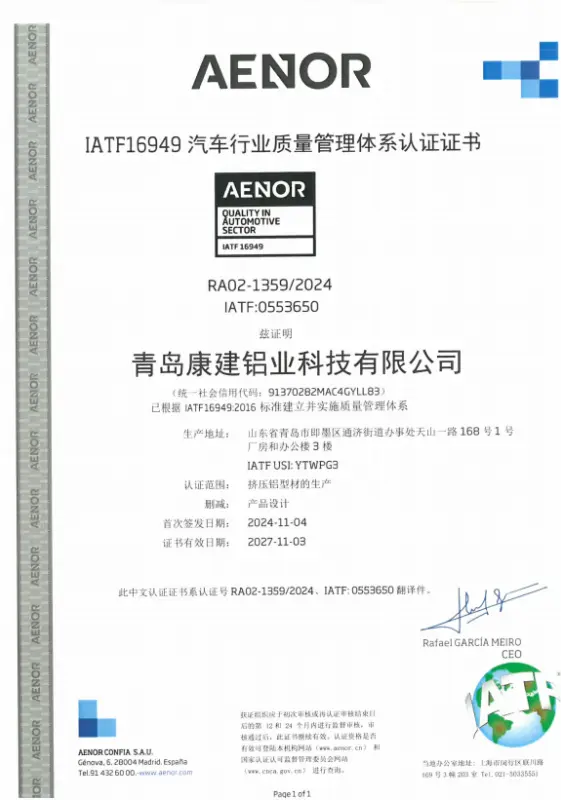
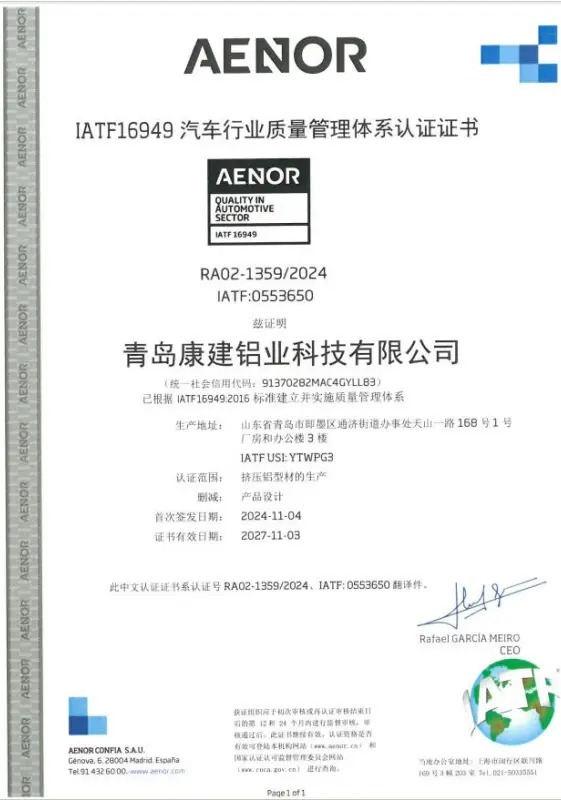
Qingdao Kangjian Aluminum operates under a comprehensive quality management framework designed to meet the strict requirements of international projects. Our production processes conform to major global manufacturing licenses, including GB/T19001-2016 / ISO9001 for Quality Management and GB/T24001-2016 / ISO14001 for Environmental Management. In addition, our manufacturing facilities hold specialized welding and assembly certifications required for transportation projects.
As structural demands change, the development of high-performance sliding doors is moving toward smarter, thinner, and greener designs. Qingdao Kangjian is continuously aligning its processes with these industry shifts:
Architects are calling for larger glass surfaces with minimal framing. This requires profile designs with ultra-thin face widths that can still withstand high wind pressure. We are testing modified 6000-series alloy formulas that increase yield strength by 15-20% without compromising extrusion speeds or surface finish quality.
To support global carbon reduction goals, we are expanding our use of clean, post-industrial recycled billets. Melting down clean scrap consumes only a fraction of the energy required for primary refining. By carefully filtering out impurities, we ensure these green alloys deliver the same mechanical performance as virgin aluminum.
Modern sliding door profiles are increasingly designed to house motorized opening hardware, integrated safety sensors, and concealed locking mechanisms. Our development team is working directly with hardware suppliers to design profiles with pre-milled channels and matching hardware pockets, simplifying assembly for door and window fabricators.