Kangjian
Kangjian
Kangjian
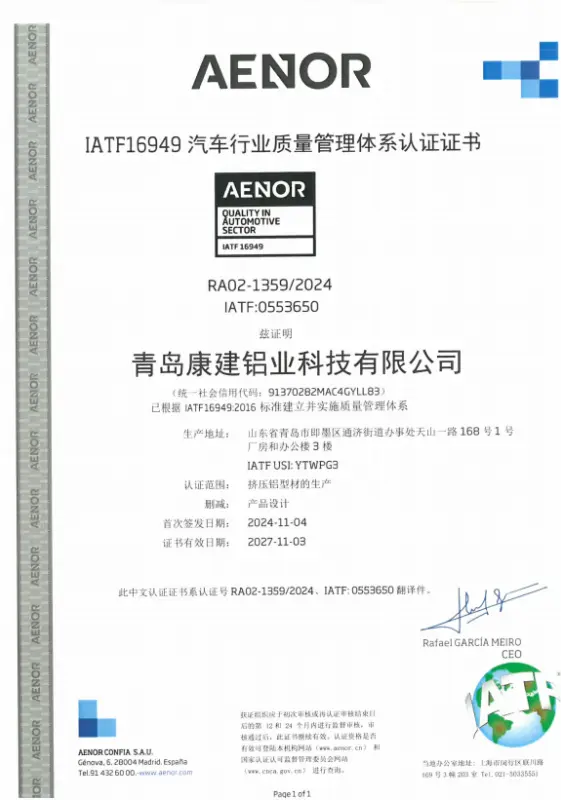
Explore our leading custom-engineered options manufactured with IATF 16949 & ISO 9001 certifications
An Analysis of Materials Engineering, Sustainability Directives, and the Shift to Lightweight Architectures
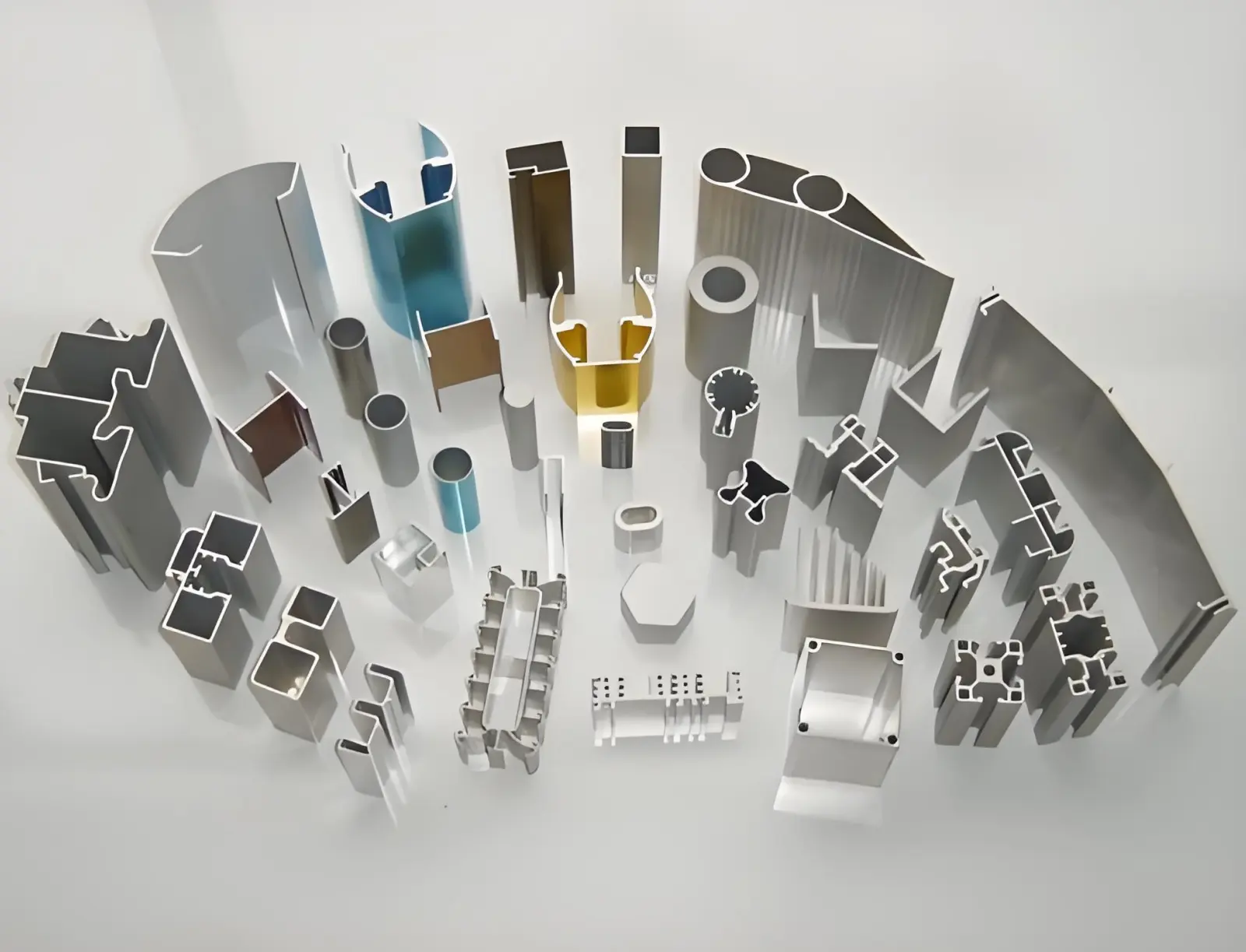
The global industrial sector is undergoing a transformative transition, fueled by the structural imperative of carbon neutrality, electrification, and modern infrastructure redesign. At the center of this metamorphosis is extruded aluminum. Once utilized primarily for residential architecture, modern extruded aluminum profiles are now foundational materials in electric vehicles (EVs), solar mounting frameworks, subways, aerospace systems, and marine structures.
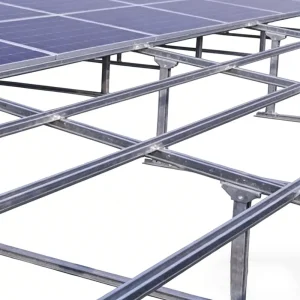
According to global material supply statistics, the demand for precision aluminum extrusions is projected to expand at a compound annual growth rate (CAGR) exceeding 6.8% through 2030. This growth is predominantly driven by the transport and logistics sectors, which are seeking lightweight alternatives to steel to extend electric vehicle range and reduce operational emissions. Additionally, utility-scale photovoltaic (PV) solar farms rely on anodized 6xxx-series aluminum profiles to provide structural integrity against severe weather while optimizing weight profiles for fast installation.
Modern engineering demands more than standard structural shapes. Global buyers now require high-purity aluminum alloys configured to exact tempers, such as 6063-T5, 6061-T6, and 6082-T6. The metallurgical properties of these profiles must balance yield strength, corrosion resistance, and thermal conductivity.
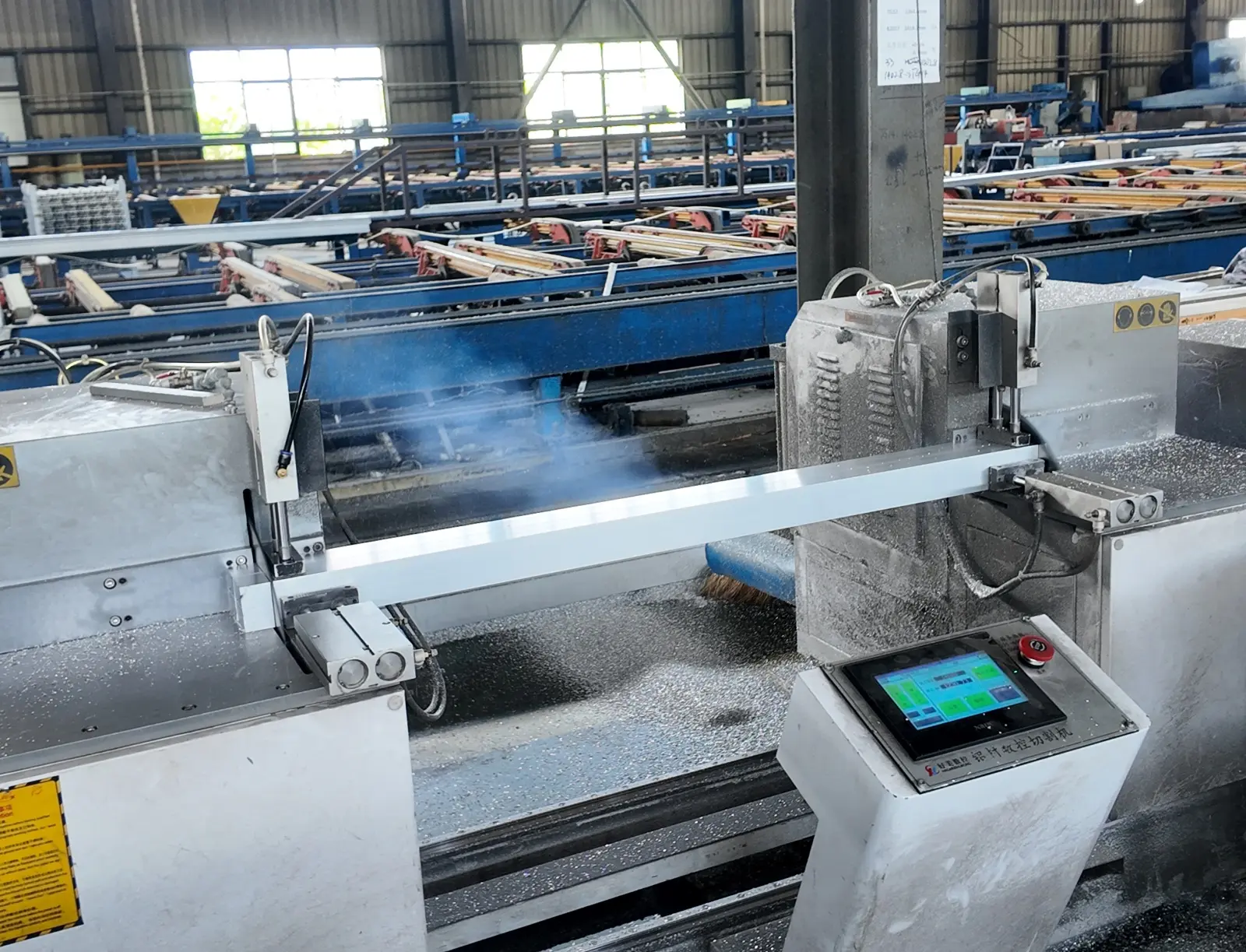
Furthermore, the convergence of extrusion technology with multi-axis CNC machining enables manufacturers to deliver completely finished components. By integrating extrusion, precision cutting, stamping, deburring, and CNC milling under a unified factory roof, global suppliers minimize logistical overhead, mitigate risk, and assure dimensional tolerances within fractions of a millimeter (down to ±0.02mm for demanding applications).
Supplying High-Precision Aluminum profiles from China to the Global Industrial Corridor
Unpacking the Structural, Logistical, and Technology Advantages of Chinese Manufacturing Hubs
China remains the undisputed epicenter of global aluminum extrusion manufacturing, accounting for over 50% of the world's total output. The core driver of this dominance is not merely low labor costs, but rather the creation of massive, integrated industrial clusters.
Within these specialized industrial clusters, suppliers have direct access to raw primary ingot smelters, auxiliary chemical treatment centers, custom tool-and-die makers, and advanced surface finishing plants. This spatial concentration eliminates long-distance transport costs of intermediates and shrinks turnaround times from design schematic to prototype extrusion to less than 10 days.
Qingdao Kangjian Aluminum Industry Technology Co., Ltd. demonstrates the efficiency of this integrated network. Located in the Jimo District of Qingdao, the enterprise combines state-of-the-art extrusion lines ranging from 700T to 2500T with vertical integration that spans structural engineering, metallurgical testing, custom tooling, and multi-axis CNC finishing. Furthermore, our proximity to the Qingdao Port—one of the largest deepwater container ports in the world—enables seamless multimodal shipping to North America, Europe, South Korea, Japan, and Southeast Asia.
For international procurement officers, this geographic advantage translates to an optimized Total Cost of Ownership (TCO). By procuring directly from a vertically integrated mill, buyers avoid intermediate markups, ensure direct traceability of the raw material melt, and secure predictable logistics.
Forging high-end, sustainable aluminum profiles to connect the global market
Officially registered in 2022, Qingdao Kangjian Aluminum Industry Technology Co., Ltd. is located at No. 168, Tianshan 1st Road, Jimo District, Qingdao. The company has established a modern industrial production base covering 200 mu, with approximately 80,000 square meters of high-standard factory buildings and 4,000 square meters of administrative offices.
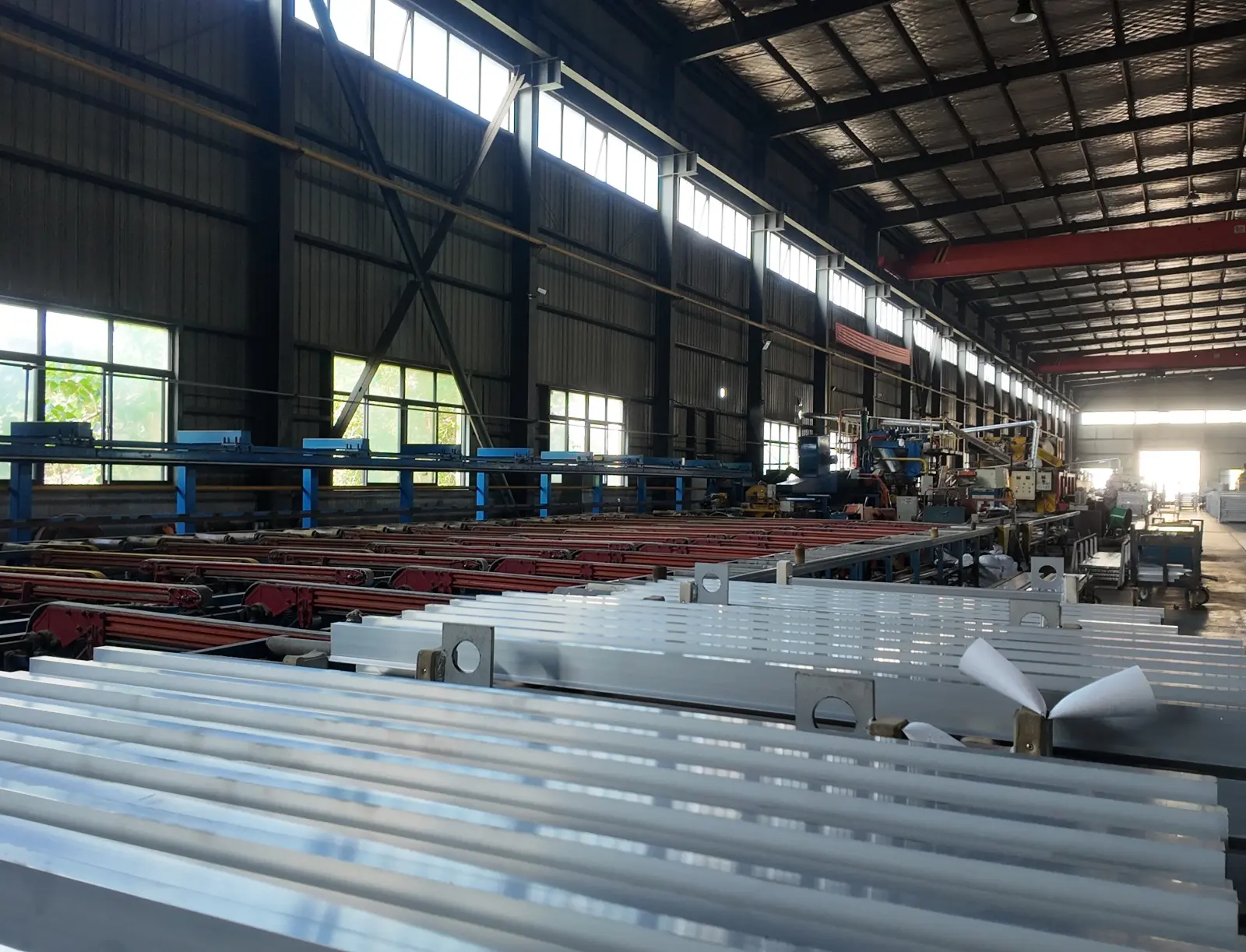
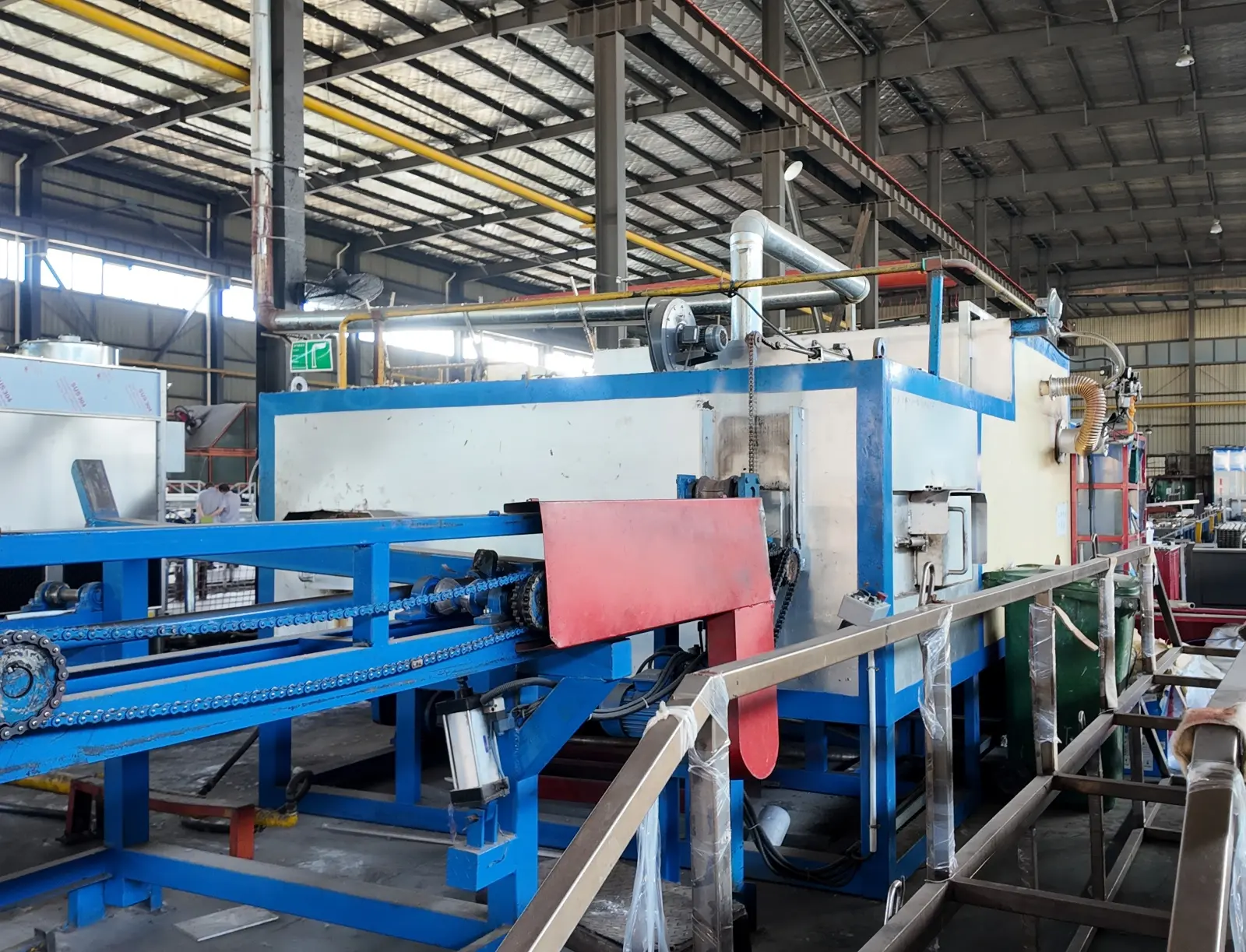
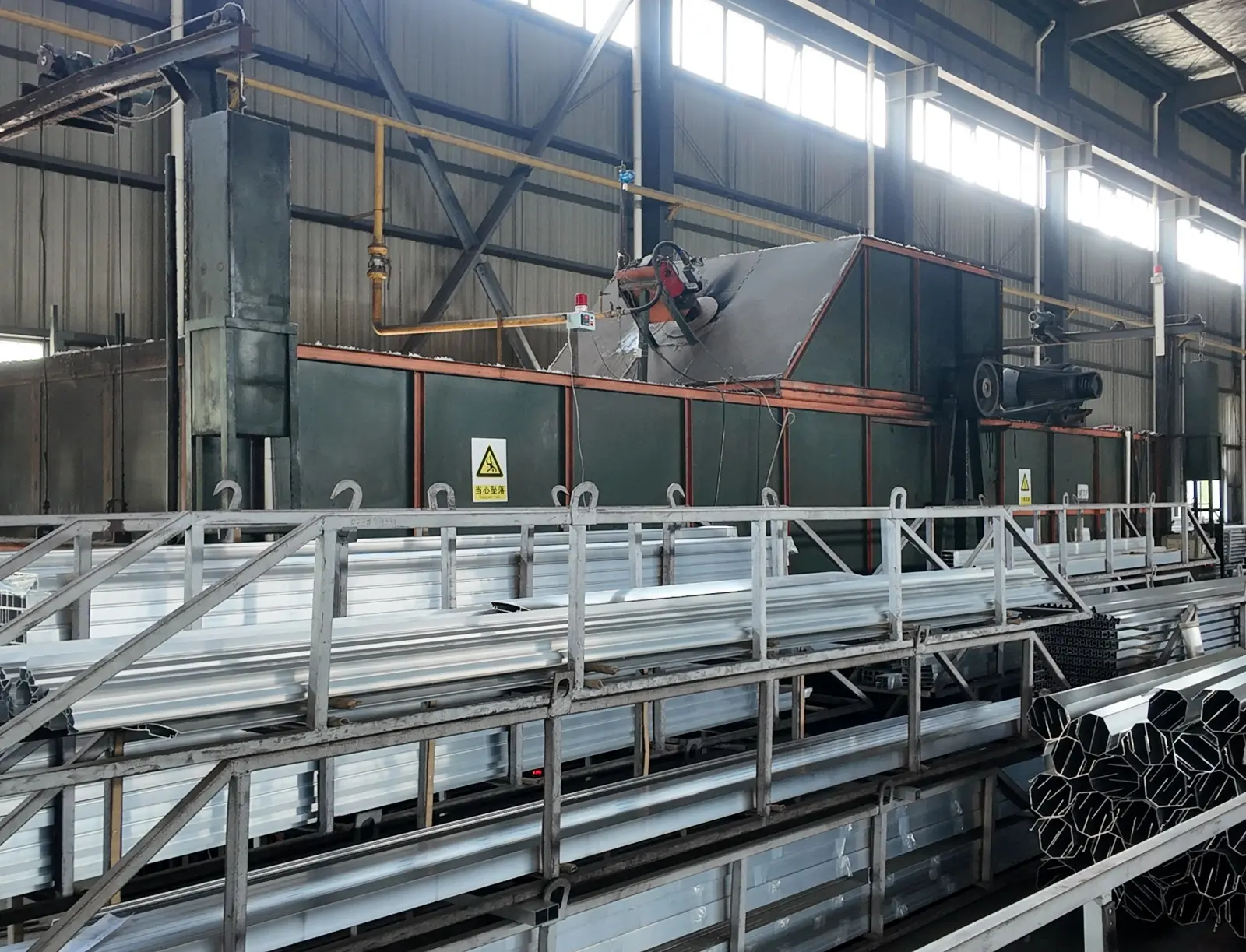
Our advanced production plant has an annual production capacity of 15,000 tons of high-grade aluminum profiles. It is equipped with five advanced extrusion production lines, featuring one 2500T extruder, one 1450T unit, one 1150T unit, and two 700T extruders. This configuration allows us to manufacture complex geometries and large-cross-section profiles up to several hundred millimeters in width, serving high-speed rail, automotive, subways, solar PV frames, and marine engineering.
With an annual business volume growing at an average of 30% per year, Kangjian is now the largest aluminum profile manufacturer in the Qingdao region. We are committed to supplying engineering-grade aluminum materials that enable lightweighting, reduce energy consumption, and lower carbon emissions worldwide.
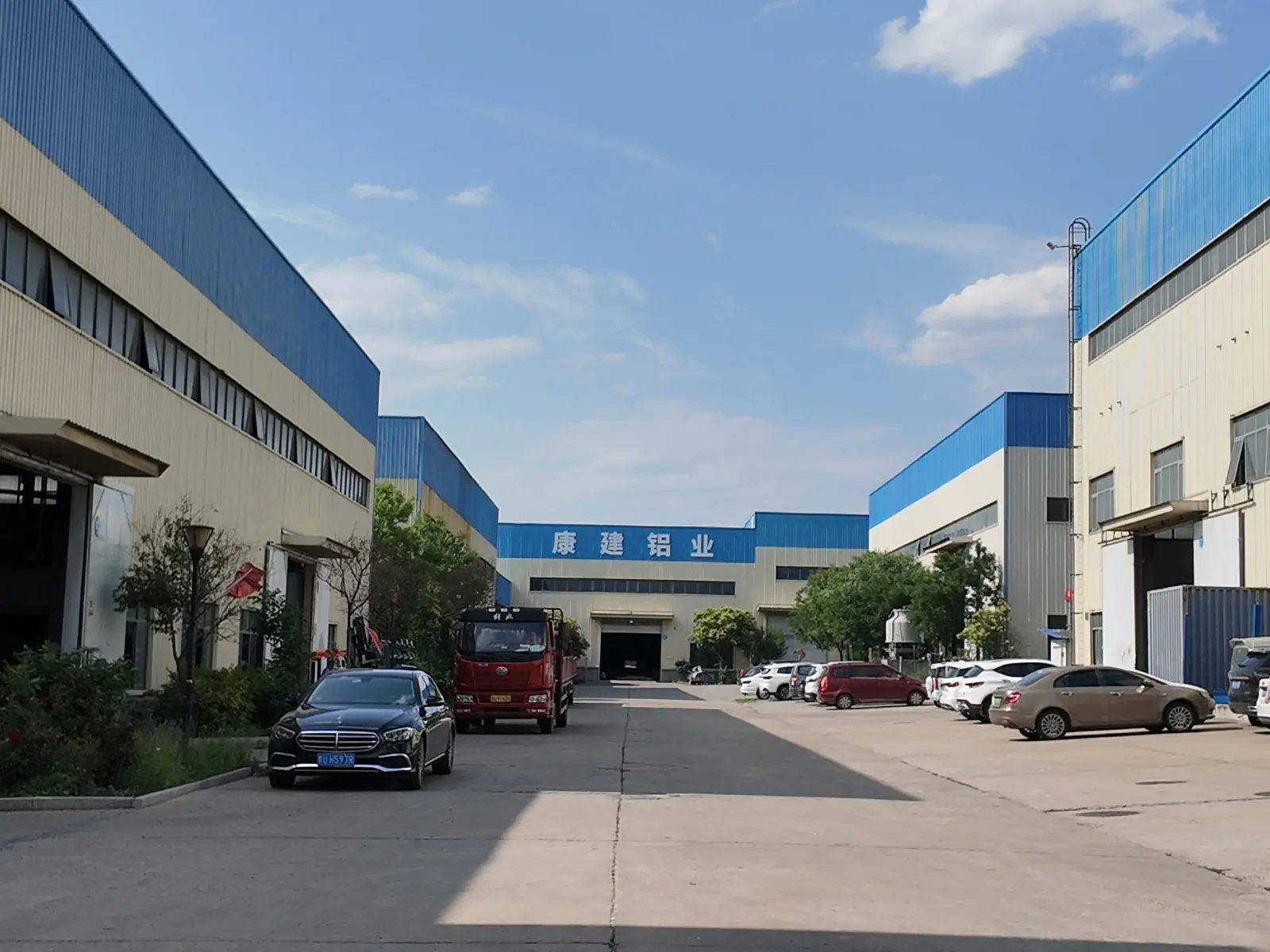
Relying on modern equipment and efficient management, our order delivery volume and annual output value maintain a 30% annual growth rate. We expand our footprint from local Chinese markets to global hubs.
We supply profiles for rail transit, aerospace, automotive components, outdoor furniture, building systems, and high-precision CNC parts, covering the entire range of modern industrial demands.
Leveraging the logistical advantages of Qingdao's seaport, our high-strength profiles are exported to South Korea, Japan, the United States, Europe, and the Nordic countries, earning international trust.

Our company was founded to bridge the gap in high-end domestic aluminum extrusion capabilities for complex industrial sectors. Backed by a vast domestic market and facing the international trade routes of the Yellow Sea, Kangjian has established a "dual-sea layout".
Our guiding philosophy is: "Producing high-end aluminum materials and serving global customers." We deliver on this commitment through advanced equipment, rigorous quality control, and ongoing innovation.
Today, our high-strength, corrosion-resistant aluminum profiles support cargo handling machinery in Nordic ports and are specified in challenging engineering projects worldwide. Every profile represents the reliability and precision of modern manufacturing in China.
From our base in Qingdao, Kangjian coordinates engineering solutions, logistics, and quality assurance to support your international project requirements.
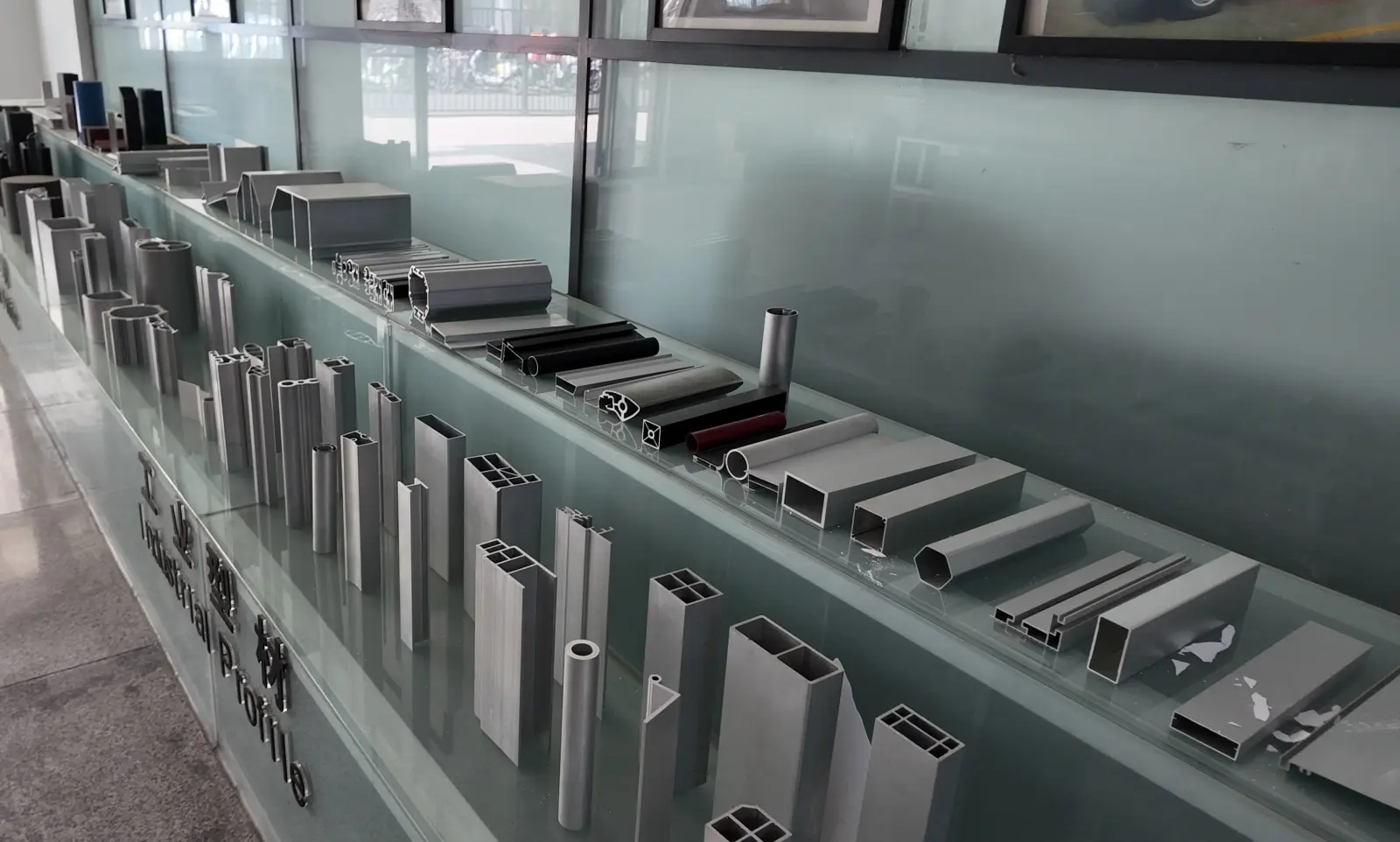
Connecting global markets as a trusted innovator in custom aluminum extrusions
We continuously develop custom aluminum extrusion profiles, providing high-precision solutions that meet challenging design and structural requirements.
Quality is the cornerstone of Kangjian. We manufacture according to international standards, implementing quality controls to ensure every profile meets spec.
We coordinate flexible export services, respond to technical requests, and optimize transport routes to support international trade partnerships.
Engineered structural aluminum shapes for demanding application scenarios
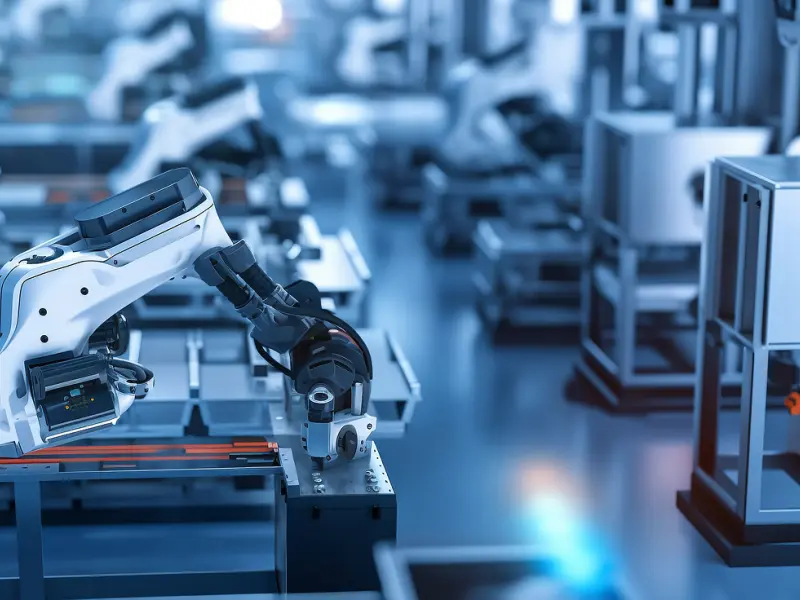
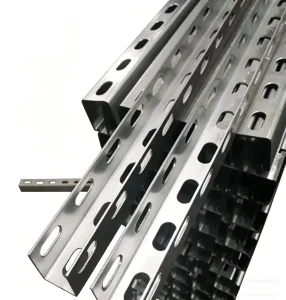
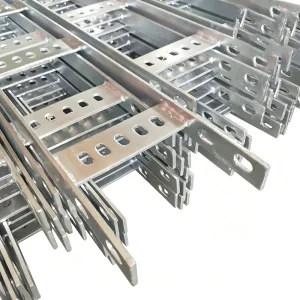
High-strength structural channels, brackets, and machine frames. Optimized for automation equipment, mechanical frameworks, robotics, and logistics systems.
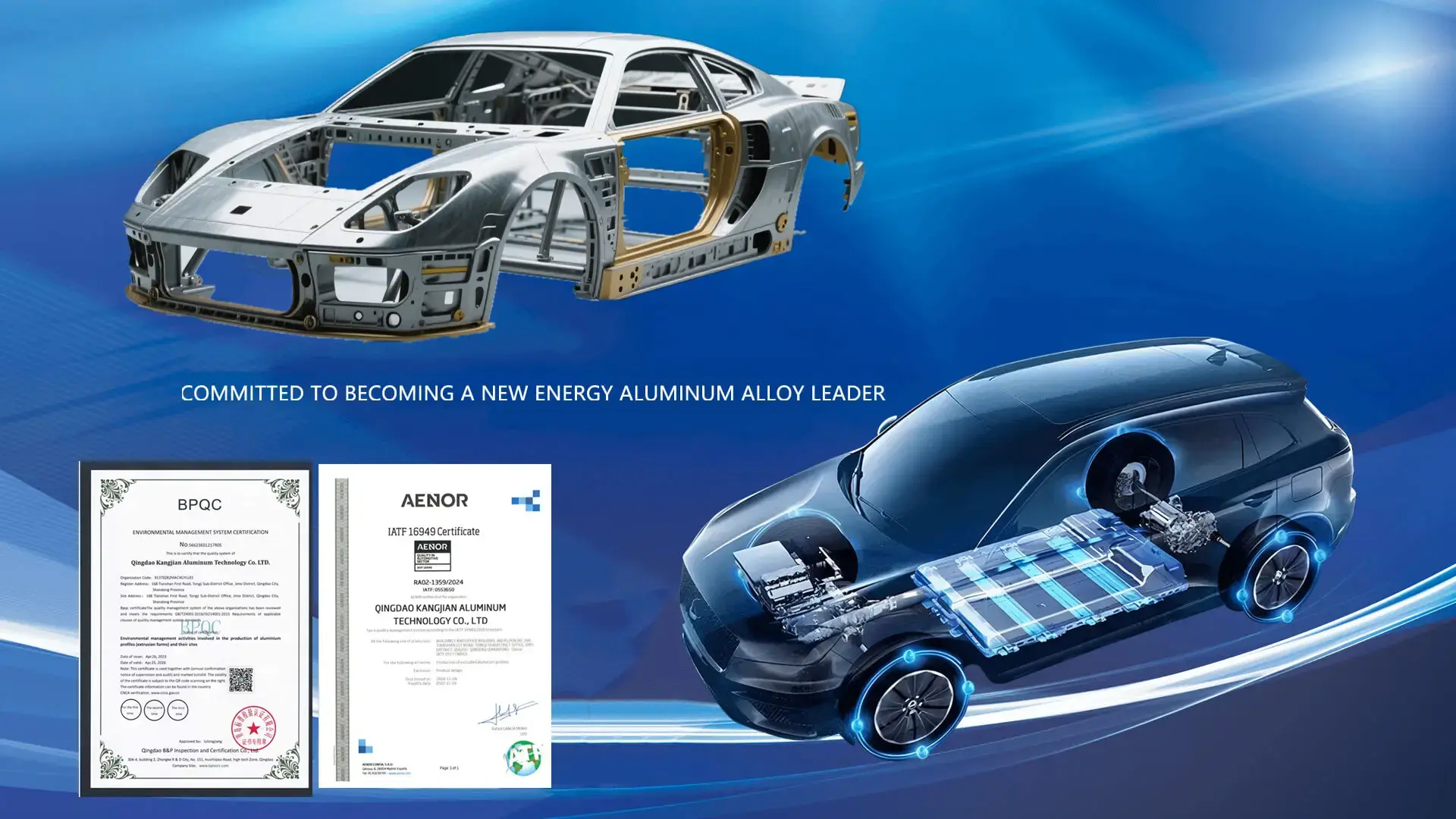
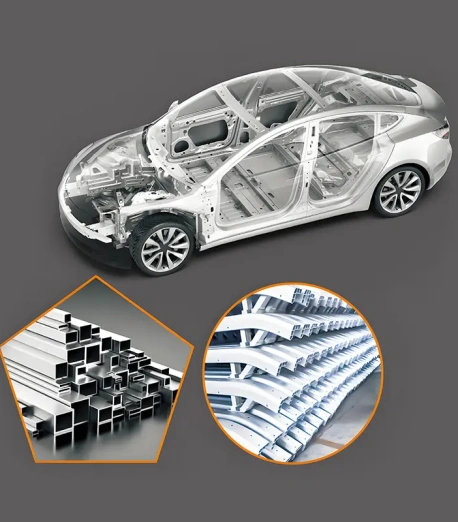
Lightweight structural components, EV battery trays, and heat sinks. Manufactured under IATF 16949 standards to support automotive weight reduction requirements.
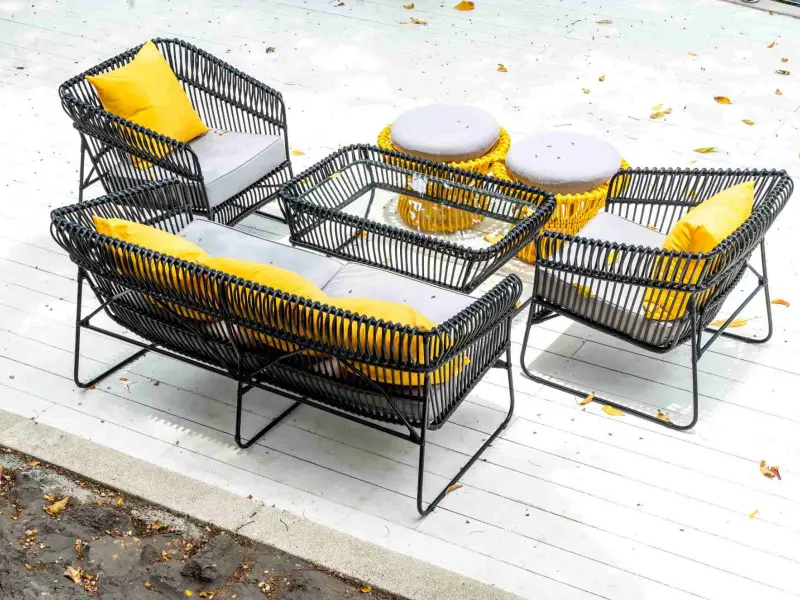
Weatherproof, powder-coated, and anodized profiles designed for outdoor furniture, modular structures, and architectural fittings.
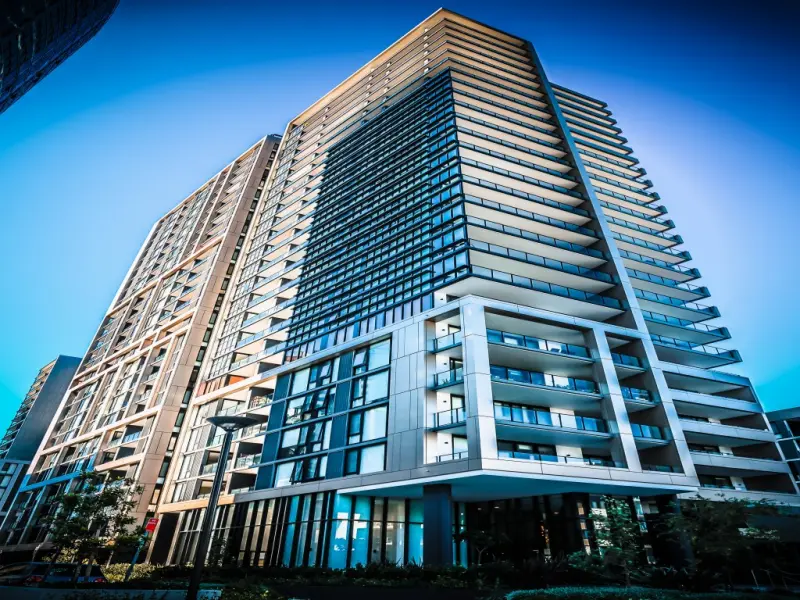
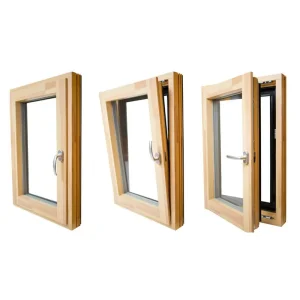
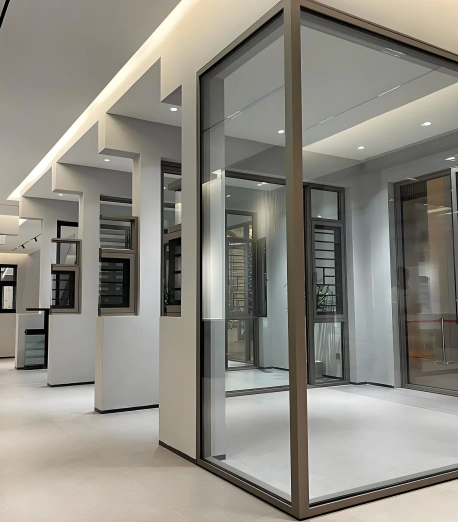
Curtain wall systems, modern window frames, and thermal-break profiles. Engineered to optimize insulation and structural capacity in green buildings.
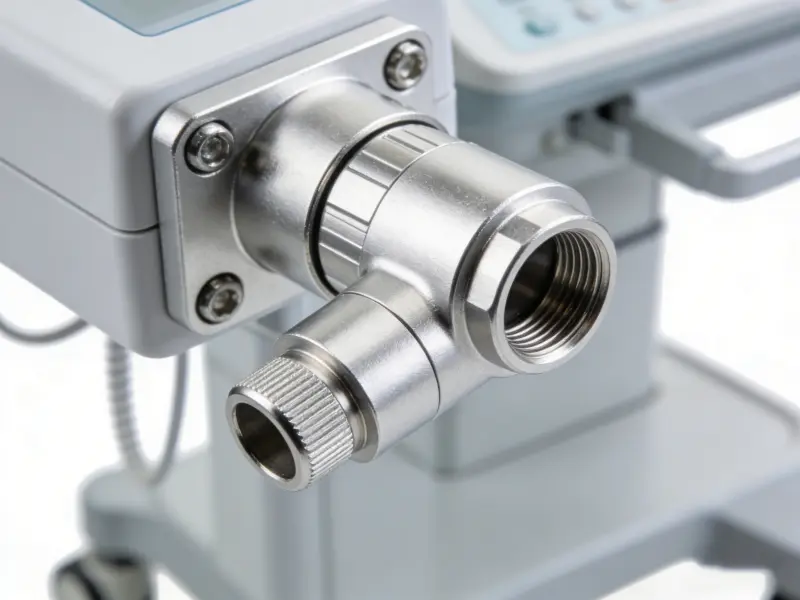
High-purity, anodized profiles for medical equipment housings, hospital beds, and surgical apparatus demanding sanitize-friendly surfaces.
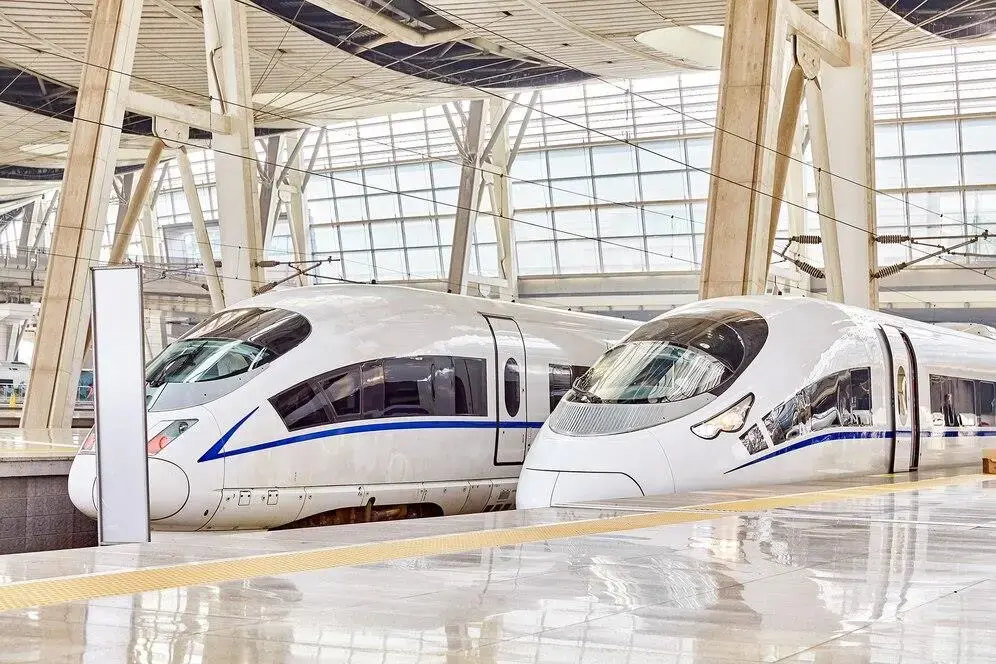
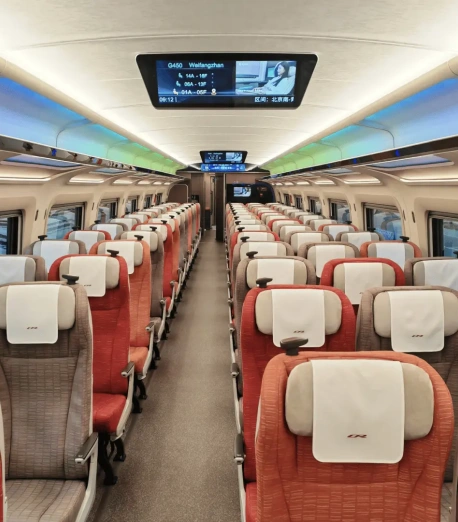
Structural profiles designed under ISO 22163 railway standards for passenger train bodies, high-speed rail, subways, and commercial trailer structures.
Validating structural integrity and compliance with international standards for global industrial applications
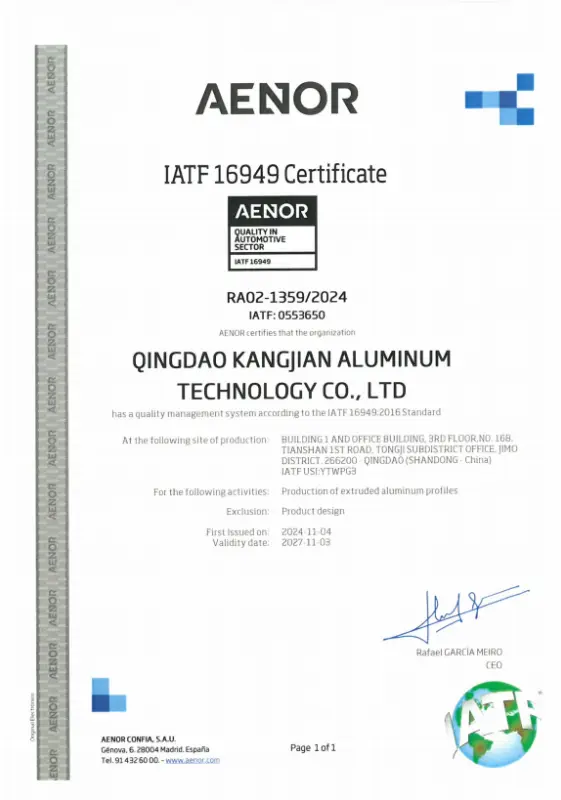
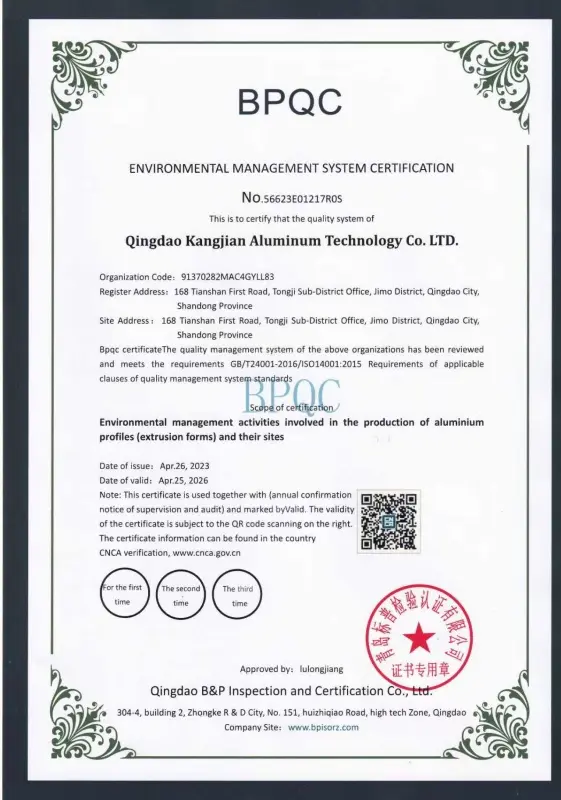
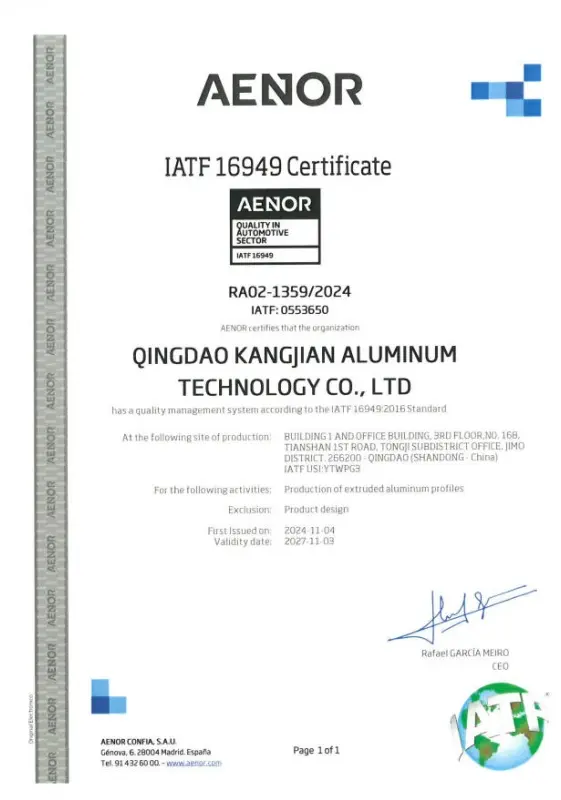
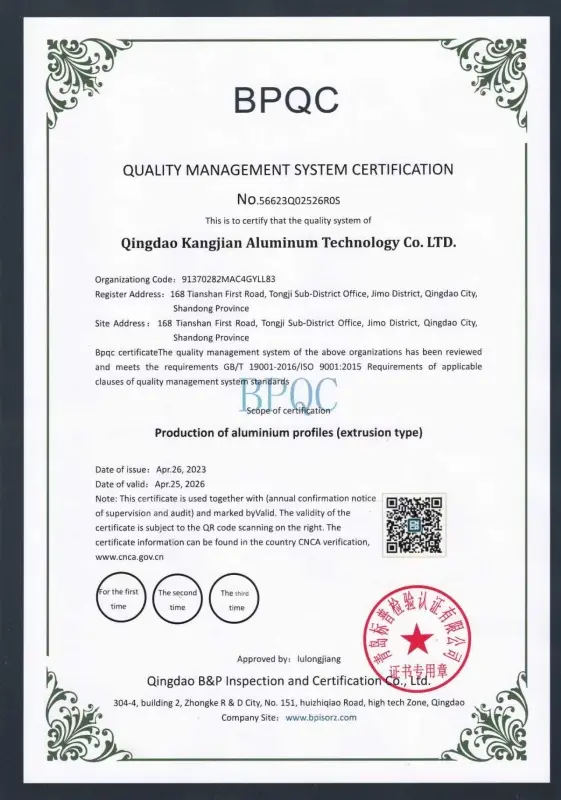
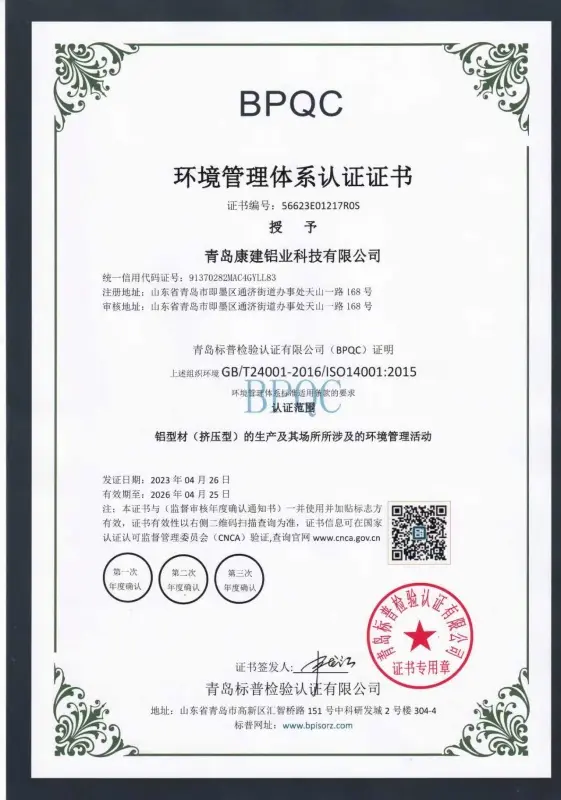
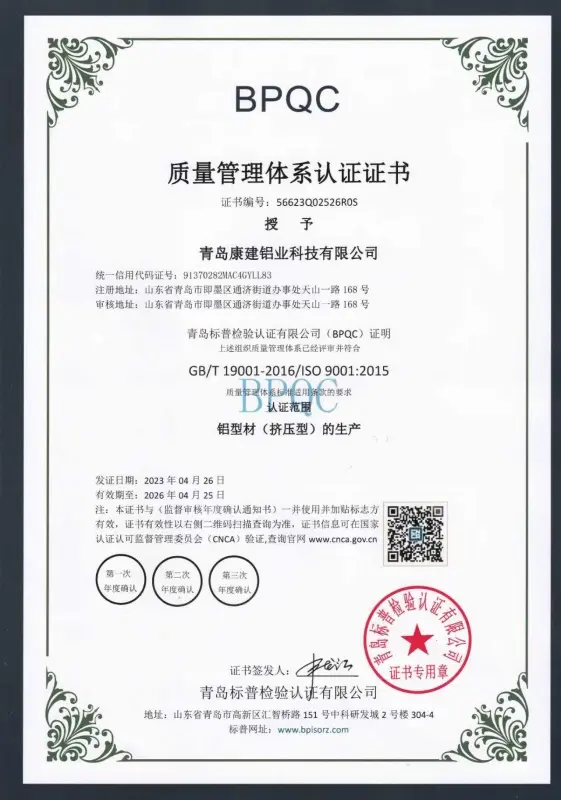
Supplying critical extruded aluminum components for high-speed transport and marine logistics
Analyzing Yield Strength, Temper, and Machinability for Engineered Configurations
Selecting the appropriate alloy series is key to product performance. Each alloy group exhibits distinct characteristics in terms of mechanical strength, weldability, surface finishing, and corrosion resistance.
Containing magnesium and silicon, the 6xxx series (specifically 6063 and 6061) offers excellent extrudability, heat-treatable strength, corrosion resistance, and surface quality.
Alloyed primarily with zinc, the 7xxx series delivers high tensile strengths comparable to structural steels. These alloys are critical for aerospace assemblies, defense kits, high-stress sports equipment, and train chassis components. Due to the high zinc concentration, extruding these alloys requires specialized tool designs and slower extrusion speeds to avoid cracking.
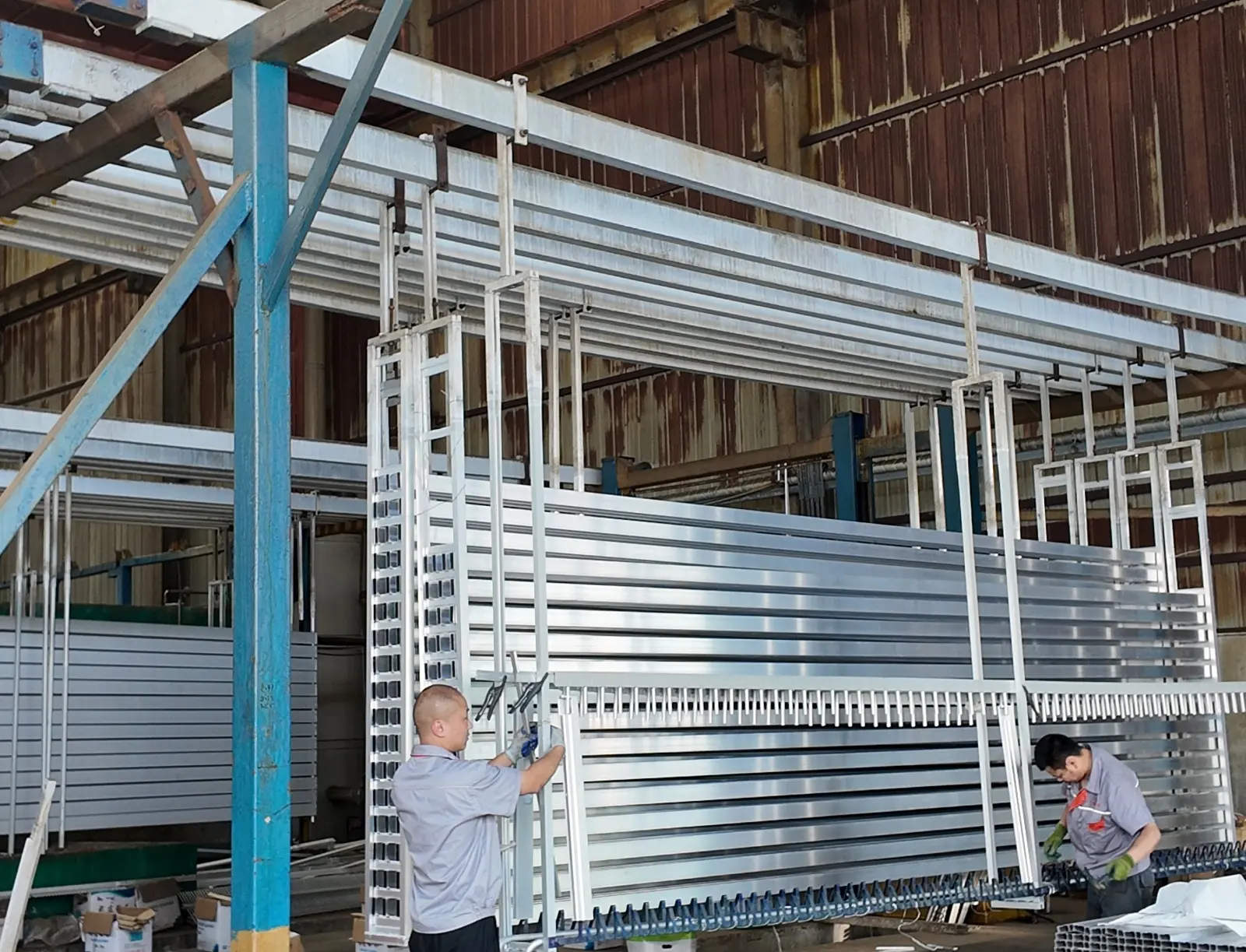
Untreated aluminum forms a natural oxide layer that protects it from mild corrosion, but structural applications require enhanced protection. Anodizing electrochemically increases the thickness of this natural oxide layer. For architectural applications, an anodizing layer of 10 to 15 microns is standard, whereas industrial and marine components exposed to harsh environments require hard anodizing (>25 microns) to prevent galvanic corrosion and wear.
Answers to common technical, quality control, and logistics questions from global buyers
Providing high-precision materials and engineering solutions for industry-leading enterprises


Standard and custom-engineered options designed for structural durability and clean finishes