Kangjian
Kangjian
Kangjian
Explore our top industrial solutions customized for specialized operations, high-end construction, LED housing, and cleanroom hardware.
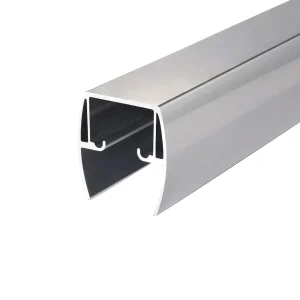
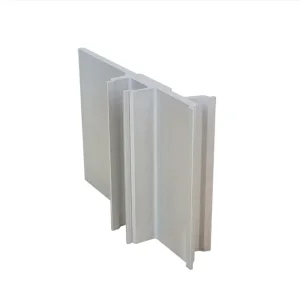
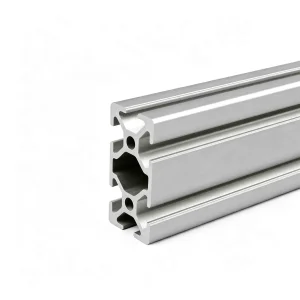
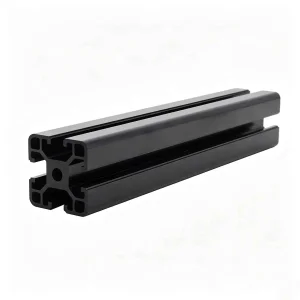
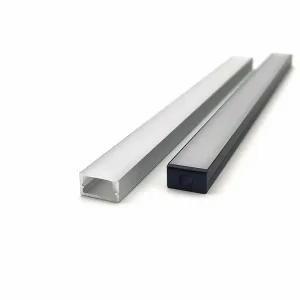
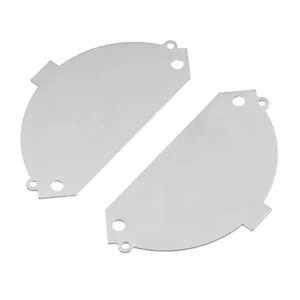
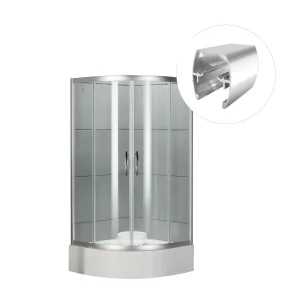
The structural design parameters across modern automotive, aerospace, railway, and logistics infrastructure are shifting decisively toward high-strength, lightweight materials. Globally, raw aluminum extrusion systems have matured from simple architectural frames to complex, load-bearing engineering components. With the international press towards carbon neutrality, green low-carbon recycled aluminum billets have registered double-digit demand spikes annually.
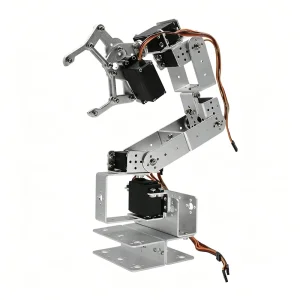
Aluminium alloys like 6063 and 6061 constitute the absolute benchmark for precision profile production. The mechanical properties of 6063 T5 and T6 allow excellent structural detail, surface treatment adaptability (such as anodization, PVDF coatings, and fine powder coatings), and optimal corrosion resistance in harsh maritime, industrial, and urban atmospheres. For dynamic stress load environments—including structural baseplates for automated robotic arms, oil drilling platforms, marine structural frames, and heavy freight car frameworks—highly robust alloys like 6061-T6 and 6082-T6 are critical to ensure structural safety under extreme fatigue cycles.
Choosing the optimal alloy is a vital balance between workability, hardness, surface finish requirements, and cost efficiency. The detailed specifications below illustrate the primary alloys processed at our modern manufacturing facilities:
| Alloy Grade | Temper Options | Tensile Strength (MPa) | Yield Strength (MPa) | Primary Industrial Application Fields |
|---|---|---|---|---|
| 6063 | T5, T6 | 150 - 220 | 110 - 170 | Shower rooms, architectural window frames, LED heat sinks, smart device housing. |
| 6061 | T6 | 260 - 310 | 240 - 275 | Heavy structural framing, robotic arm bases, marine decks, automotive chassis parts. |
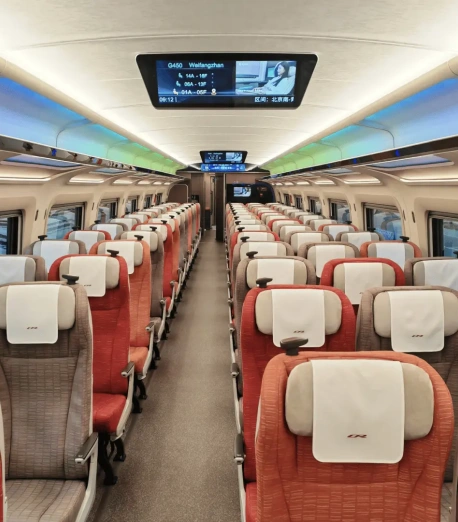
| 6005A | T5, T6 | 270 - 290 | 215 - 225 | High-speed rail cabins, transport truck frames, structural solar PV arrays. |
| 6082 | T6 | 290 - 330 | 250 - 280 | Highly-loaded engineering components, offshore drilling rigs, industrial structural trusses. |
By integrating customized billet casting, sophisticated heat treatments, and precise cooling controls (water-quenching/air-quenching), we achieve specific mechanical tolerances designed to exceed international standards like ASTM, EN, and GB.
Qingdao Kangjian Aluminum Industry Technology Co., Ltd. is a leading aluminum profile manufacturer located at No. 168, Tianshan 1st Road, Jimo District, Qingdao City.
Established officially in 2022, the enterprise runs a massive industrial production base covering 200 mu, including 80,000 square meters of standardized factories, 4,000 square meters of office space, and an annual production capacity reaching 15,000 tons of high-precision aluminum profiles.
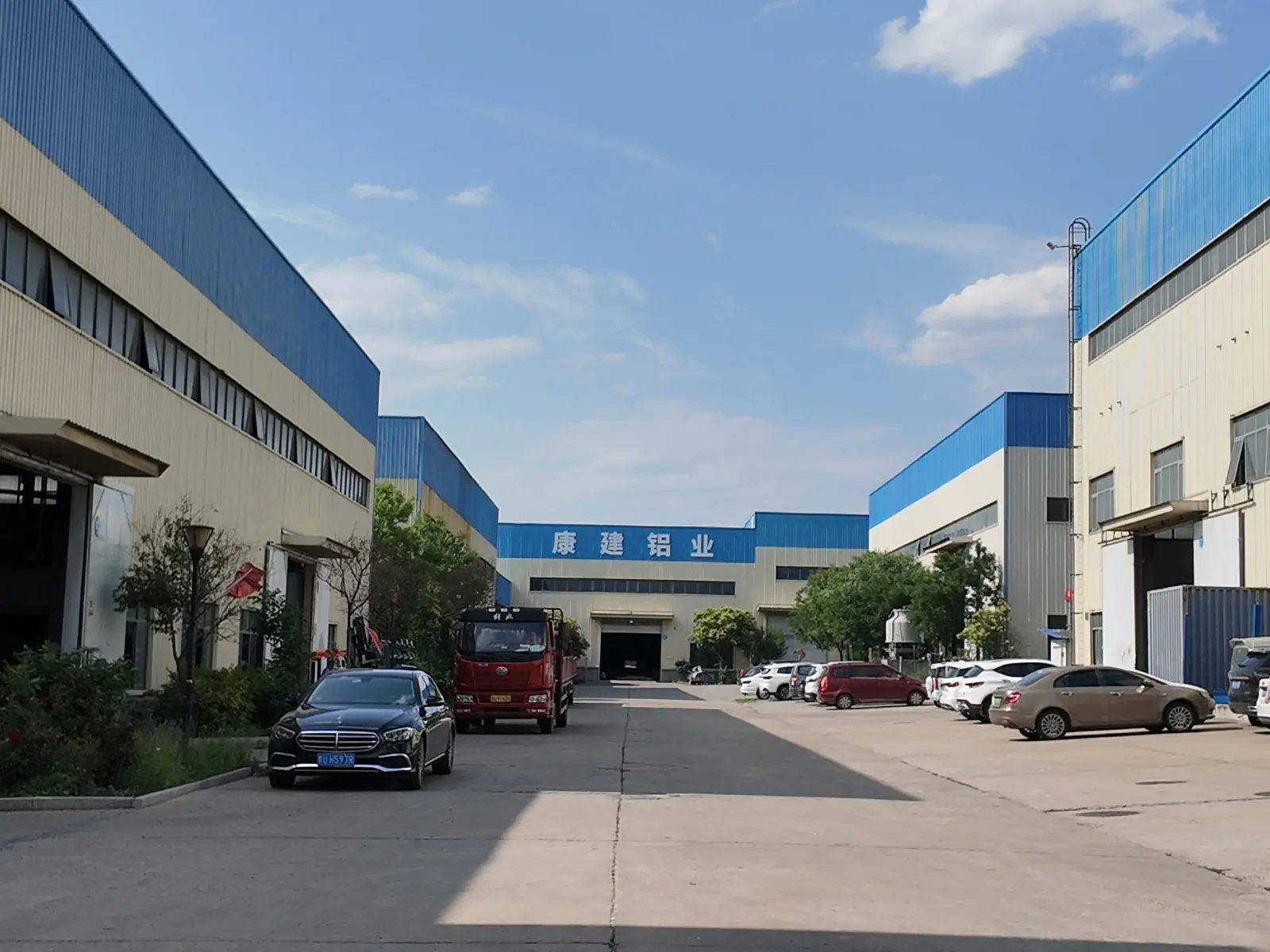
Our advanced workshops host 5 extrusion lines: 1450T (1 unit), 700T (2 units), 2500T (1 unit), and 1150T (1 unit) to manage profiles of varying shapes, cross-sections, and weight distributions.
How Qingdao Kangjian Forged a Global Presence through Technological Integration and Market Penetration.
In three years since establishment, Kangjian Aluminum has expanded from Qingdao to domestic industrial cores (Anhui, Hebei, Tianjin, Hunan, Guangdong, Beijing, Jiangsu) and international high-end markets (South Korea, Japan, USA, Europe) with an annual order/value growth of 30%.
We supply aerospace structural sections, marine profiles, CNC precision machine parts, lightweight automobile bumpers, modular cleanroom panels, LED thermal profiles, and high-performance building assemblies.
Capitalizing on Jimo District's strategic port proximity, our foreign trade service covers precise logistics integration, transparent documentation, custom structural optimization, and IATF/ISO quality assurance.
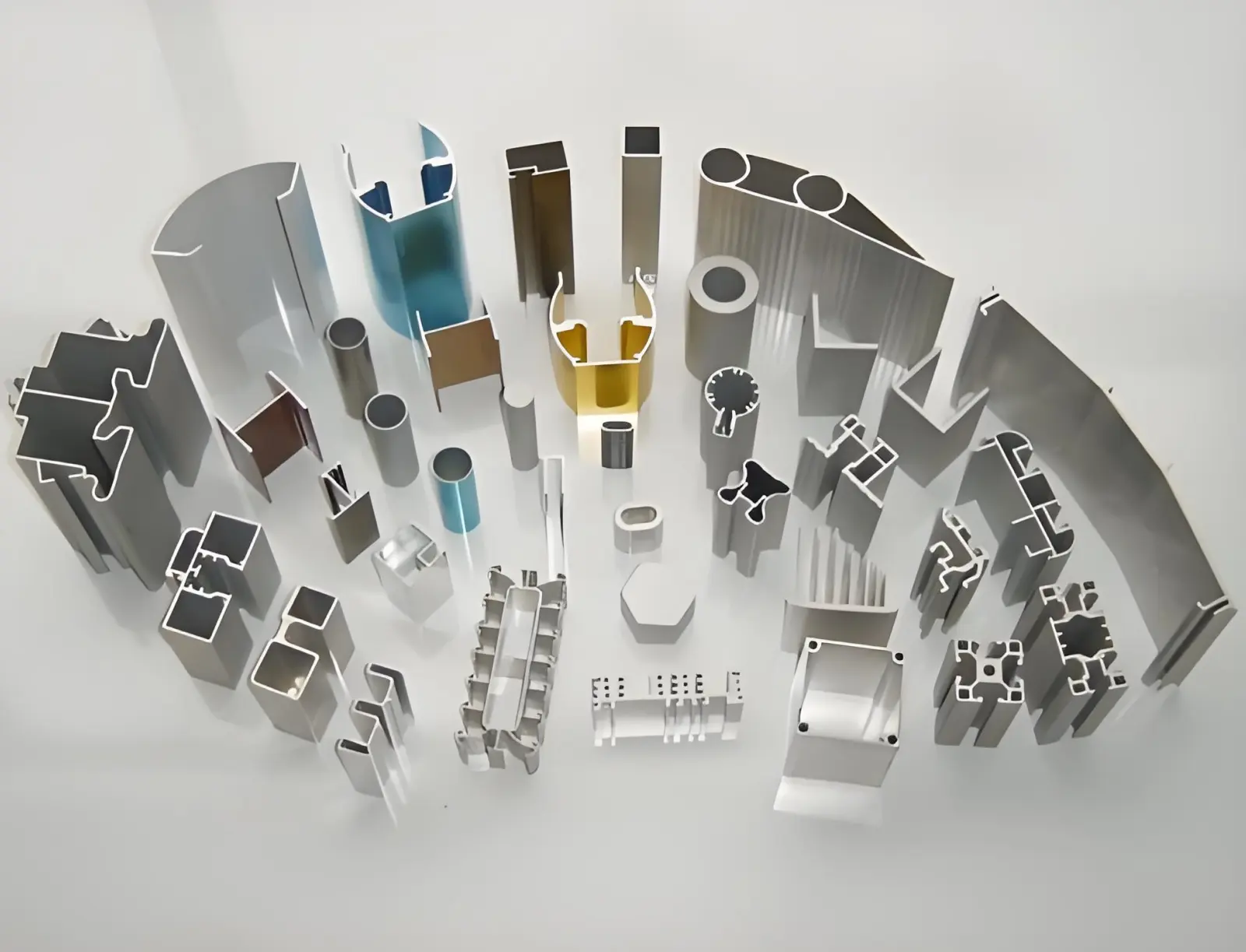
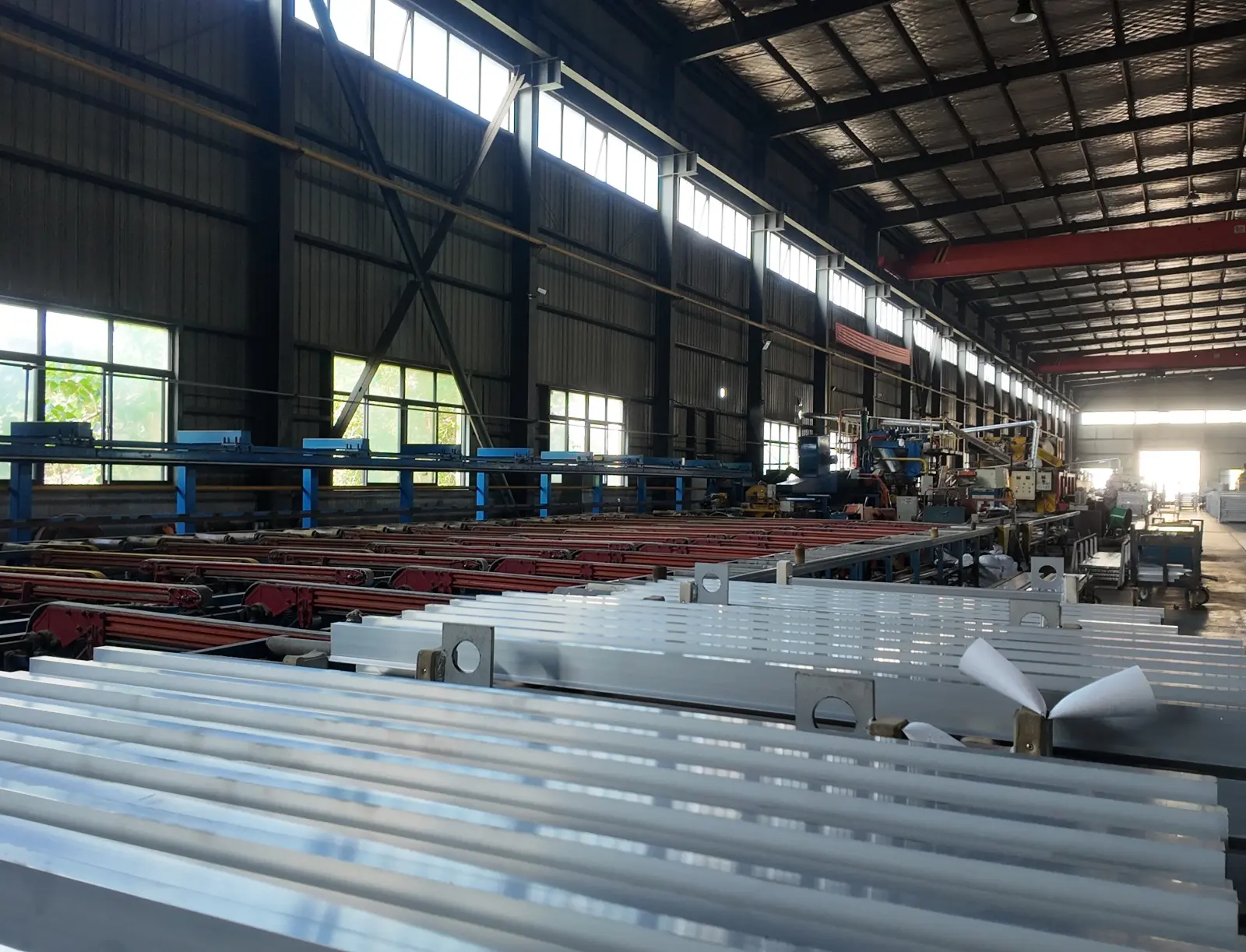
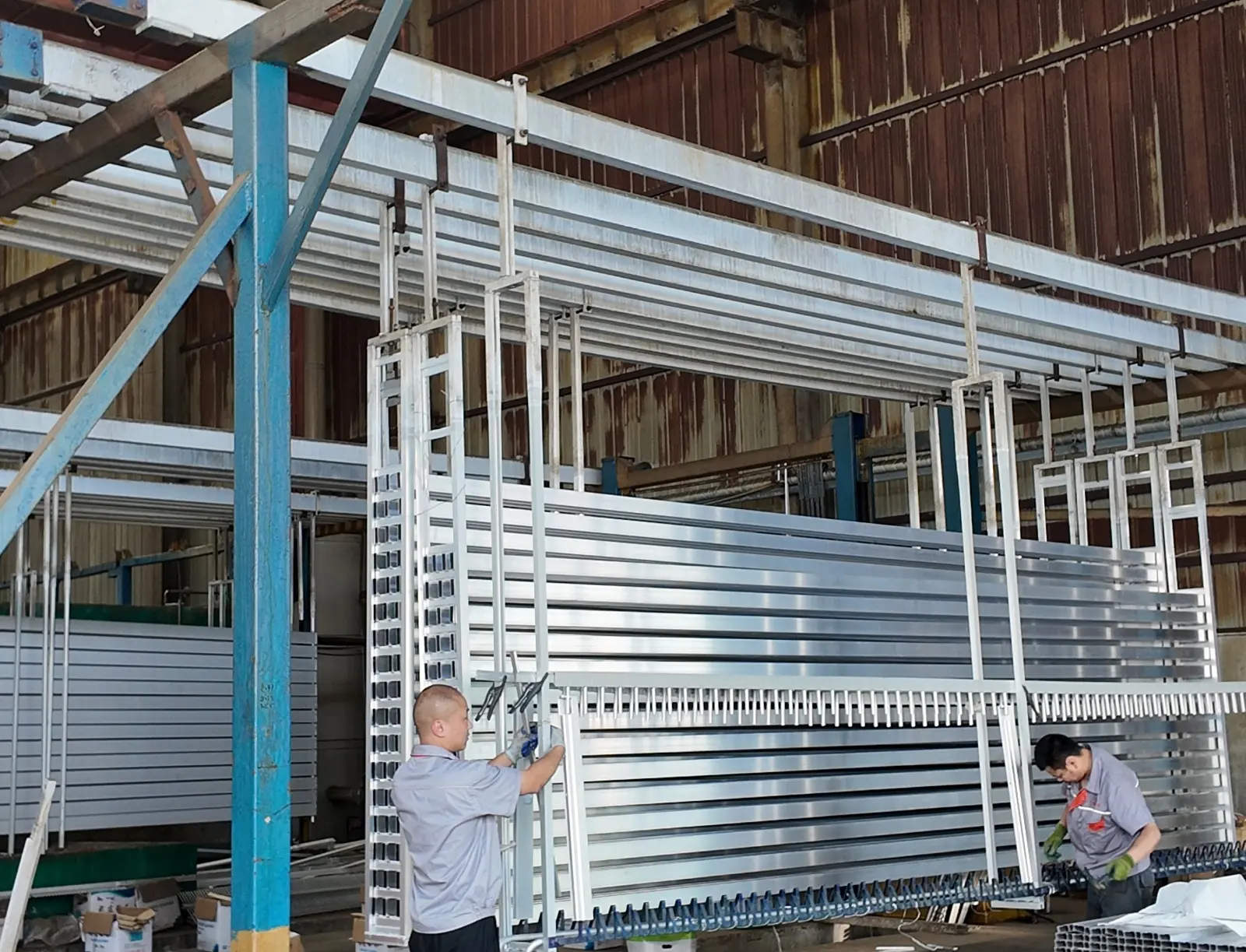

Founded on the Yellow Sea coast in 2022, Qingdao Kangjian Aluminum Industry Technology set out to bridge the gap in domestic high-precision, structural-grade aluminum extrusion. Backed by Jimo's major logistics hubs and ocean lanes, Kangjian developed its "dual-sea layout"—delivering advanced materials domestically while supplying international markets.
With the philosophy of "Producing high-end aluminum materials and serving global customers", our engineering has found applications in demanding infrastructure. Today, Kangjian's corrosion-resistant marine extrusions reinforce large cargo systems in Nordic ports, and our logo appears across complex architectural and transport engineering blueprints globally. We combine local production strength with open, customer-oriented solutions.
Reliability in deep-sea, rail, and automotive fields demands structural audits. Kangjian's operations are validated by extensive certifications:
Delivering engineering excellence, quality verification, and transparent international trade operations.
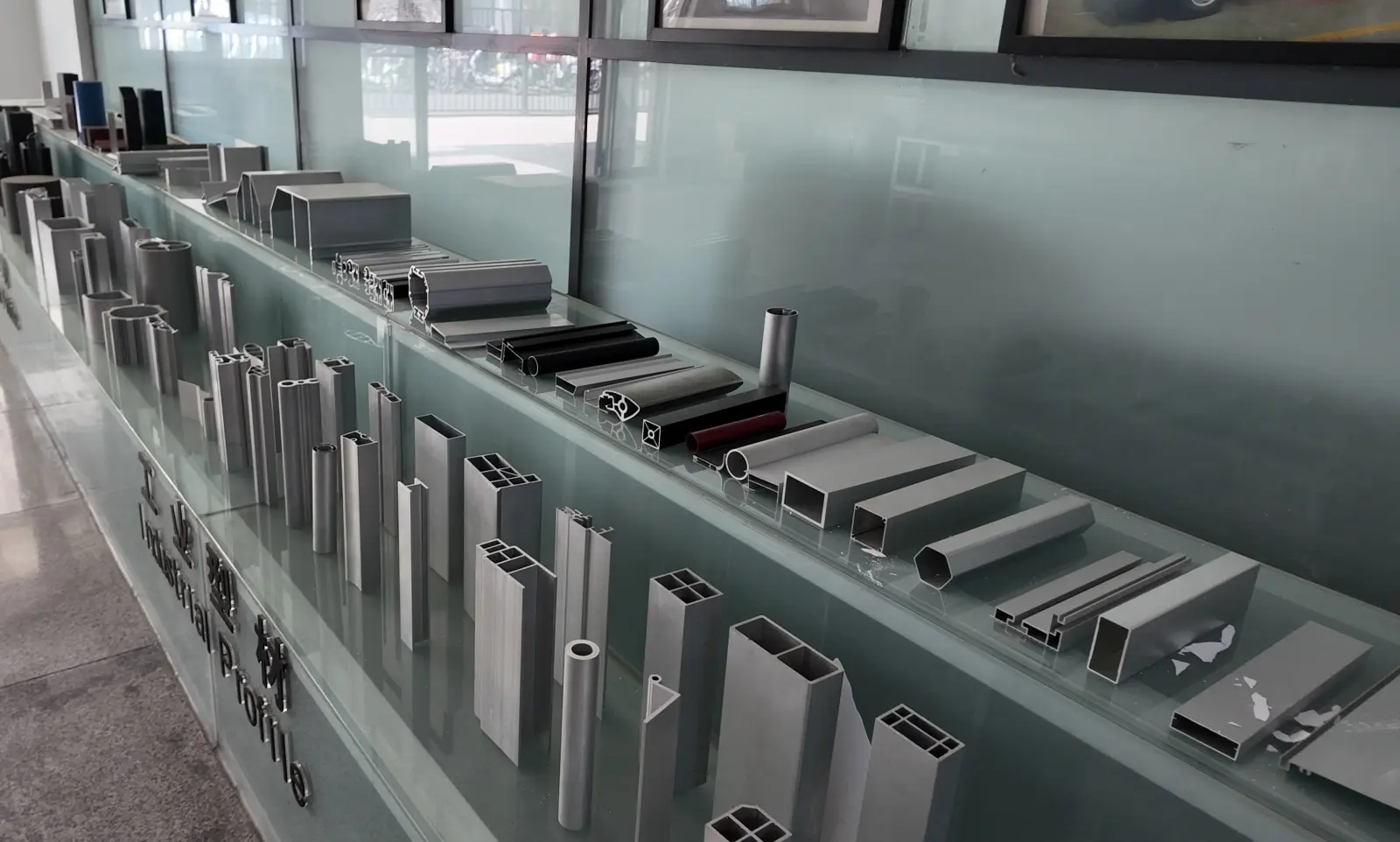
We develop custom cross-section designs and thin-walled profiles for mechanical tolerances, allowing clients to realize customized designs for specialized structures.
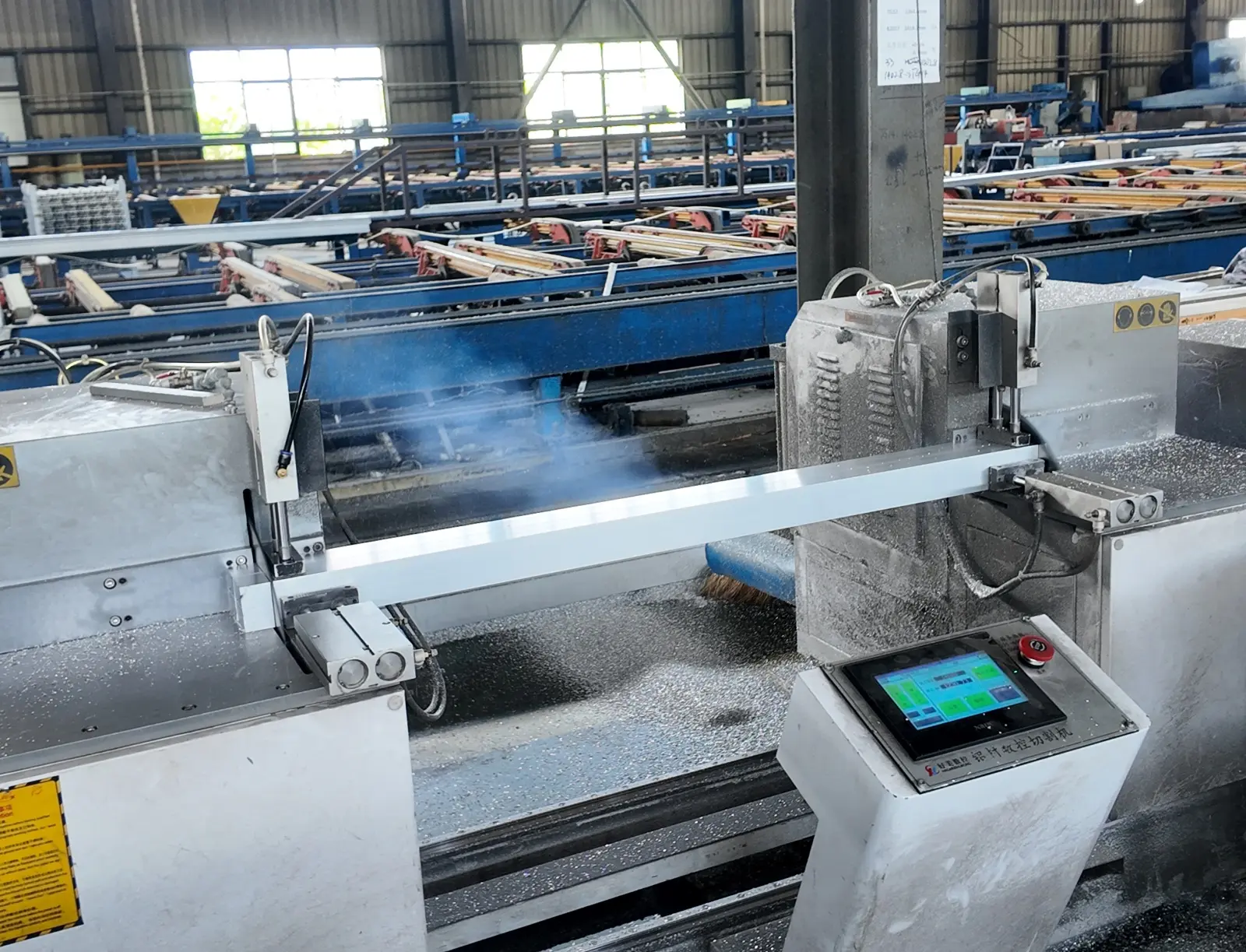
Using spectral analysis, mechanical testing, ultrasonic weld inspection, and high-precision sizing, we verify that every production lot exceeds requirements.
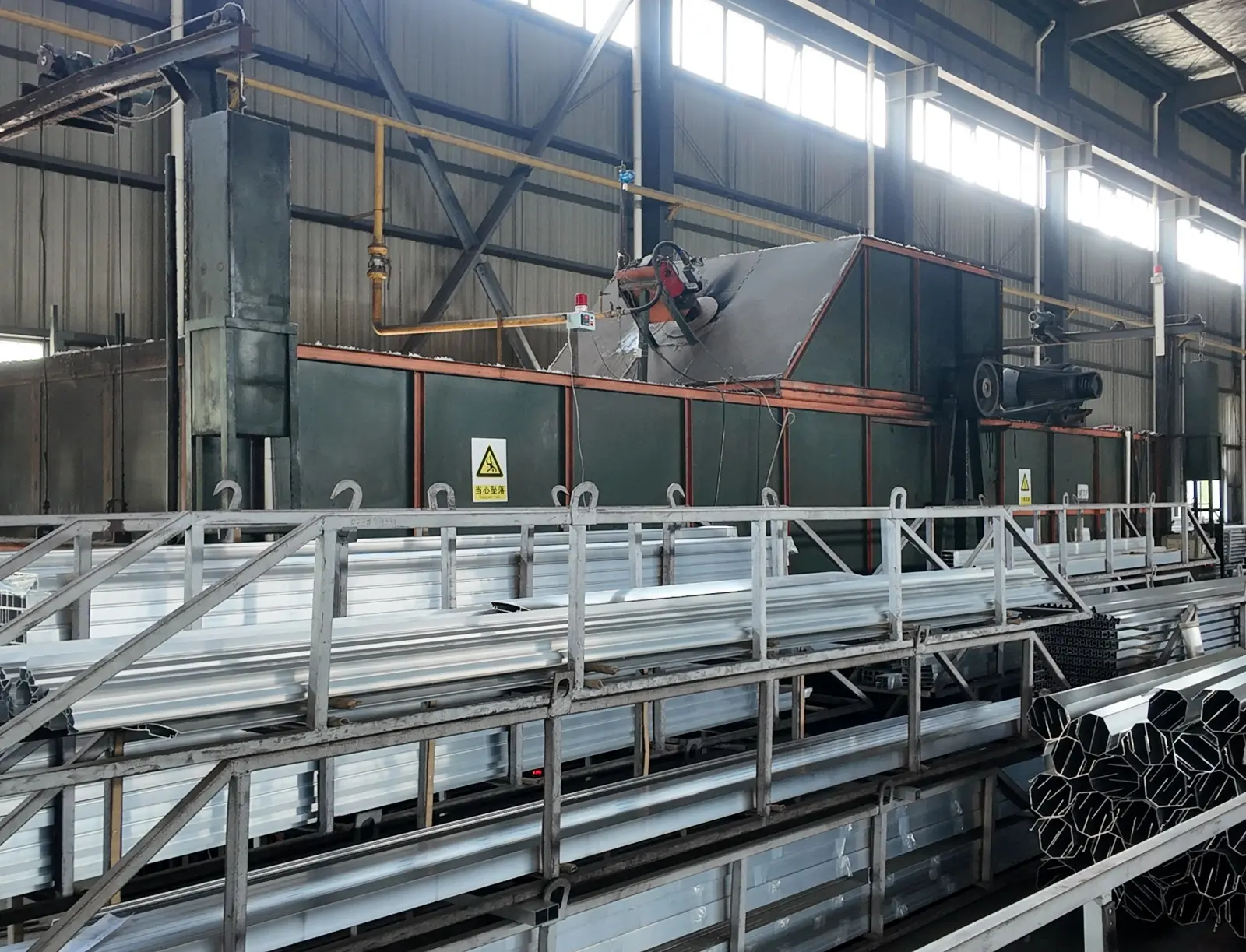
Located near sea freight routes, we offer flexible shipping, simplified customs clearances, and organized container consolidation for seamless delivery.
Our extrusions are sorted into specialized categories to meet specific weight, load, and corrosion requirements.
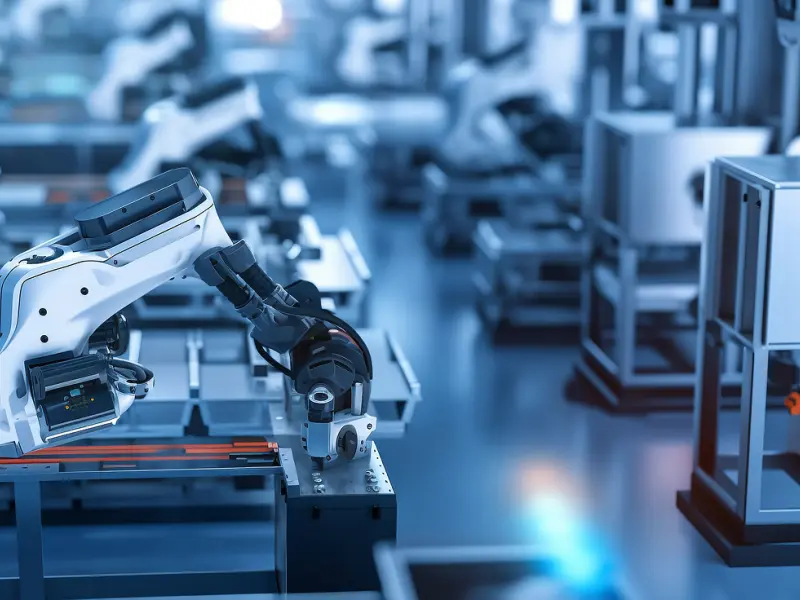 Industrial Profile
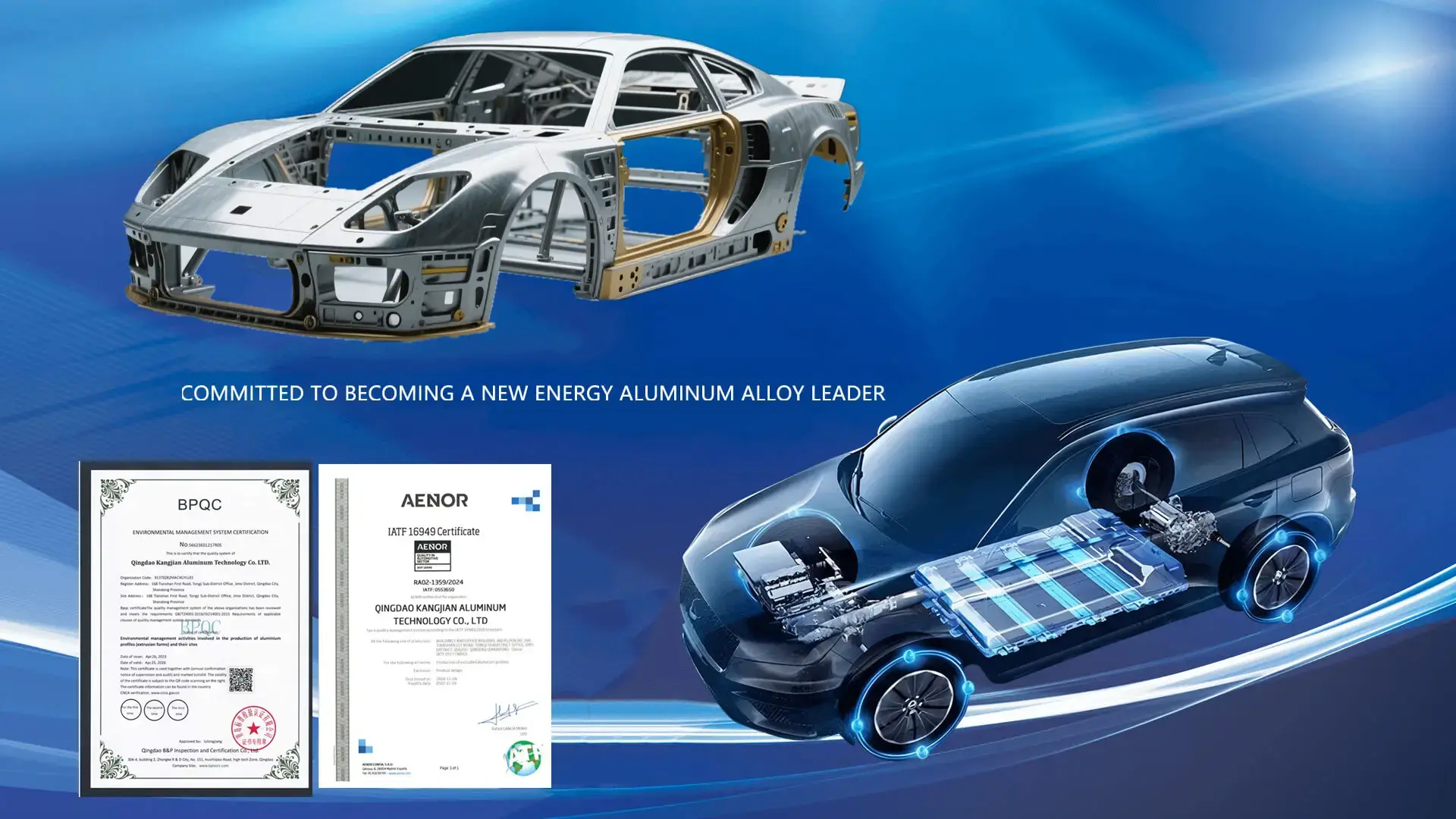 Automotive Profile
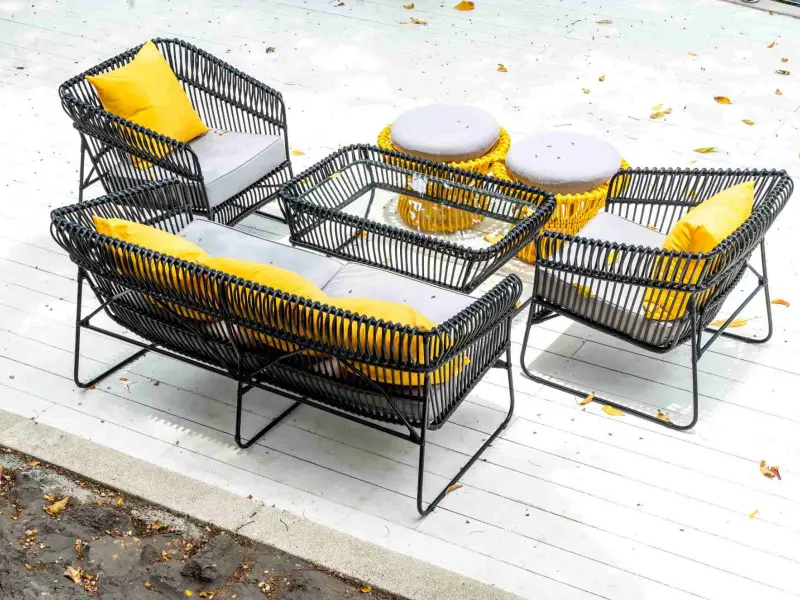 Outdoor Furniture
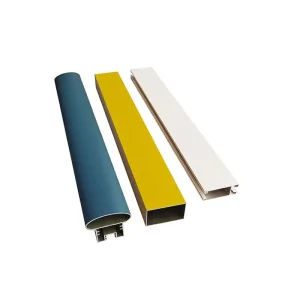
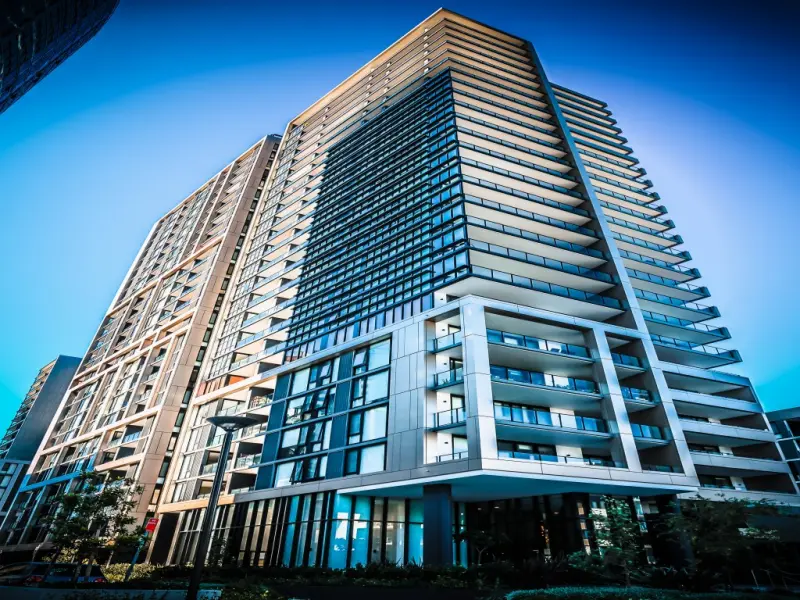 Building Profile
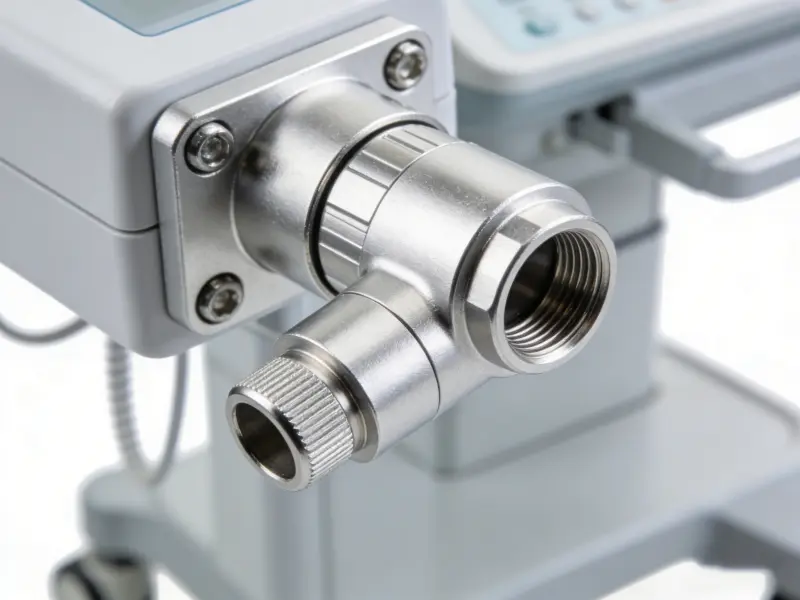 Medical Device
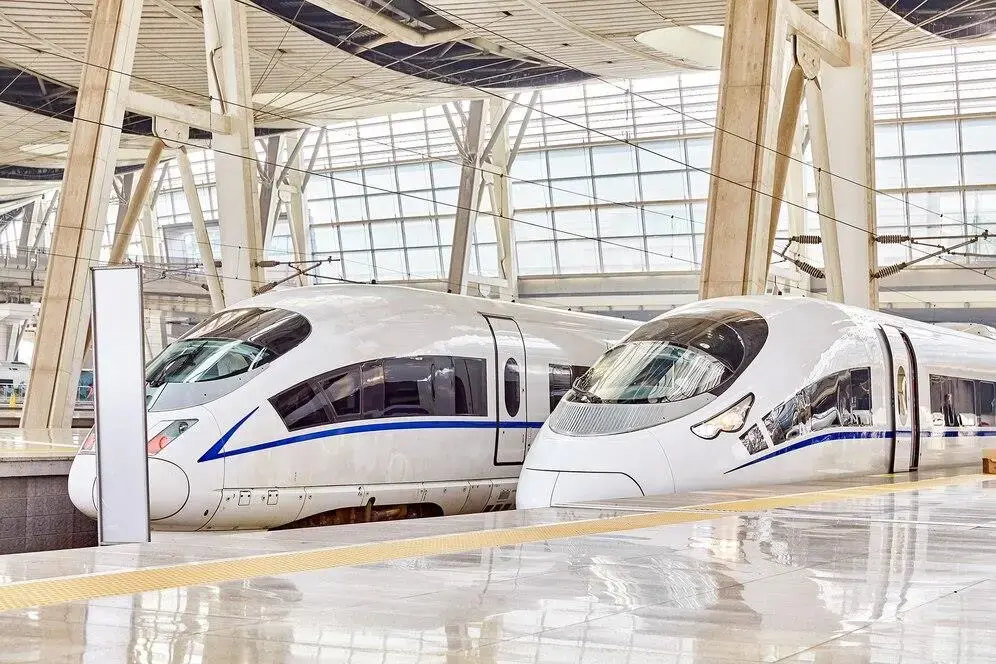 Transportation & Logistics
Premium solutions engineered with optimized structural configurations and precise dimensional control.
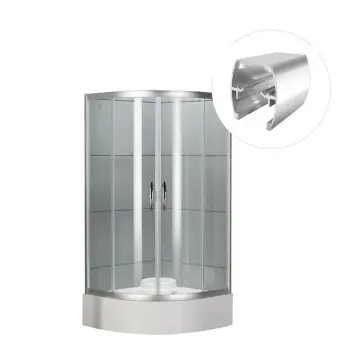
Designed for wet environments with a high-purity anodized surface treatment preventing oxide erosion.
Learn More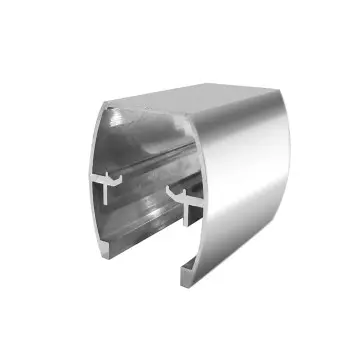
Features thin-walled geometry to reduce overall structural weight without sacrificing load-bearing capacity.
Learn More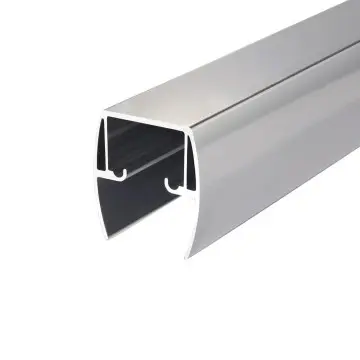
Engineered to precise straightness and flatness tolerances for seamless, gap-free corner joints.
Learn More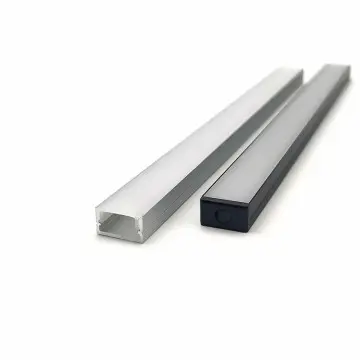
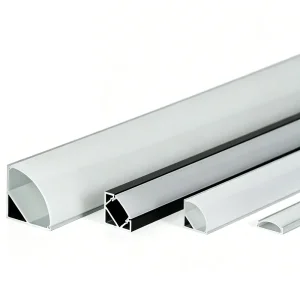
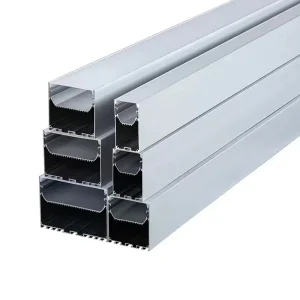
Designed for LED strip light installations, optimizing thermal dissipation to extend fixture lifespans.
Learn More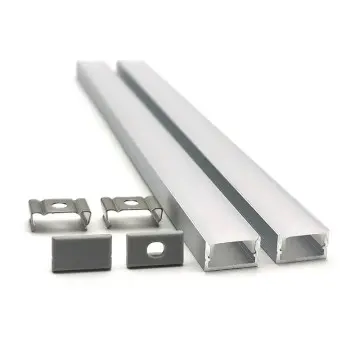
Sleek, low-profile designs suited for architectural coves, cabinetry, and interior task lighting fixtures.
Learn More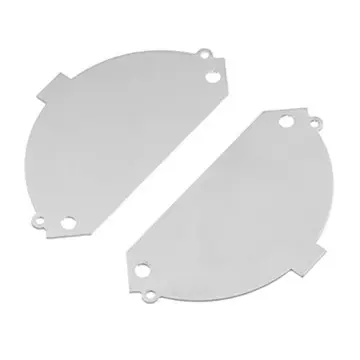
Compact corner-mount designs with a 45-degree angle profile, ideal for localized directional illumination.
Learn MoreTo maintain high-strength profiles for specialized engineering applications, the extrusion process requires strict thermal-mechanical management from billet heating to final dispatch.
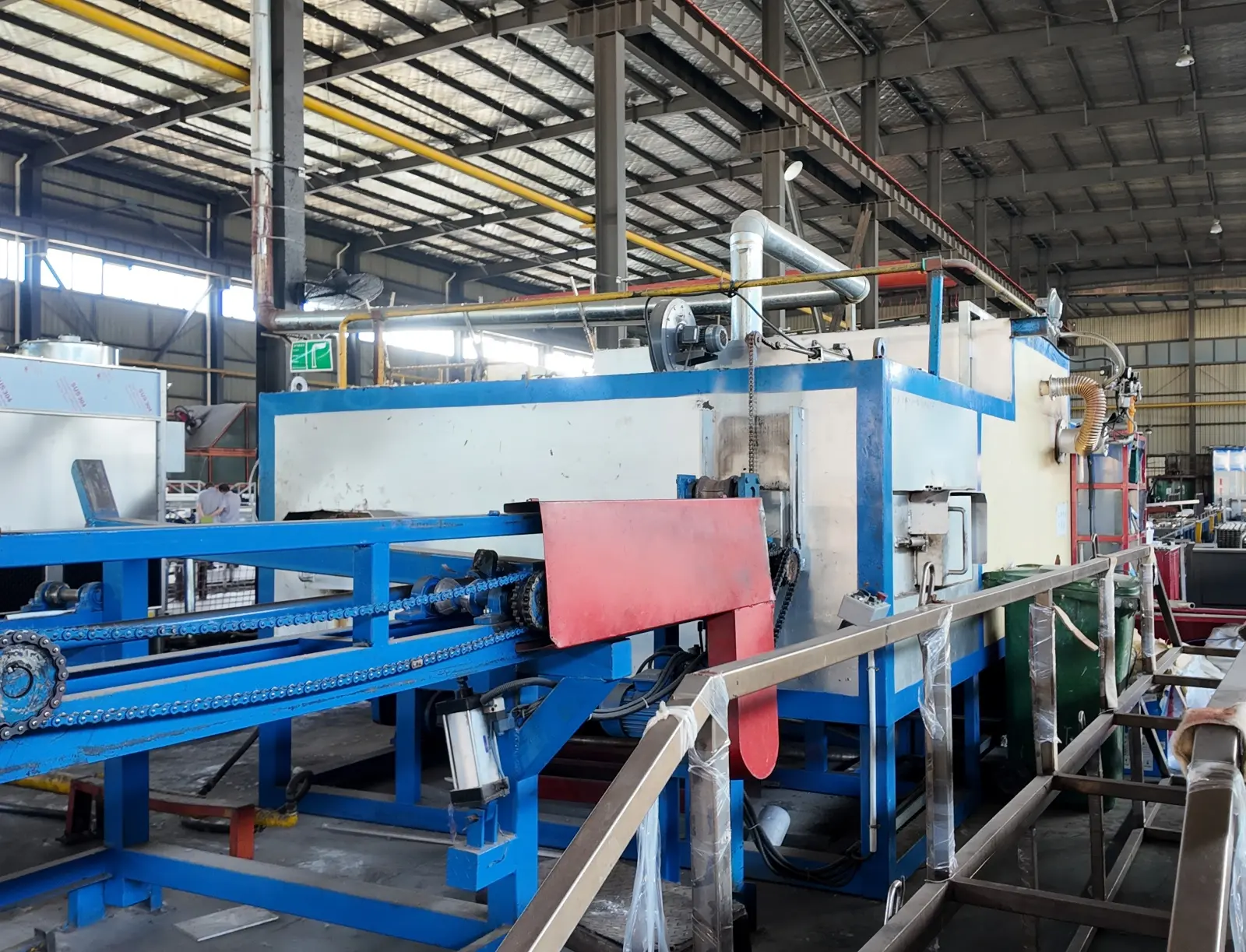
Alloy billets are heated in a gas-fired furnace to 400°C–480°C to soften the metal for pressing, while extrusion dies are preheated in dedicated ovens to prolong die life and prevent thermal shock.
Using our high-capacity extruders (including 2500T and 1450T lines), the heated billet is pushed through the precision tooling die to form the desired structural section.
As sections emerge from the die runout table, they are quenched with forced air or water sprays to stabilize the microstructural phases of the alloy.
Sections are mechanically stretched to relieve internal stresses and correct straightness, then cut to length by high-speed precision saws.
The profiles undergo thermal aging in specialized ovens at 170°C–200°C to achieve the target hardness levels (T5, T6, or T651 tempers).
Our processes are certified to international standards across the automotive, railway, and architectural industries.
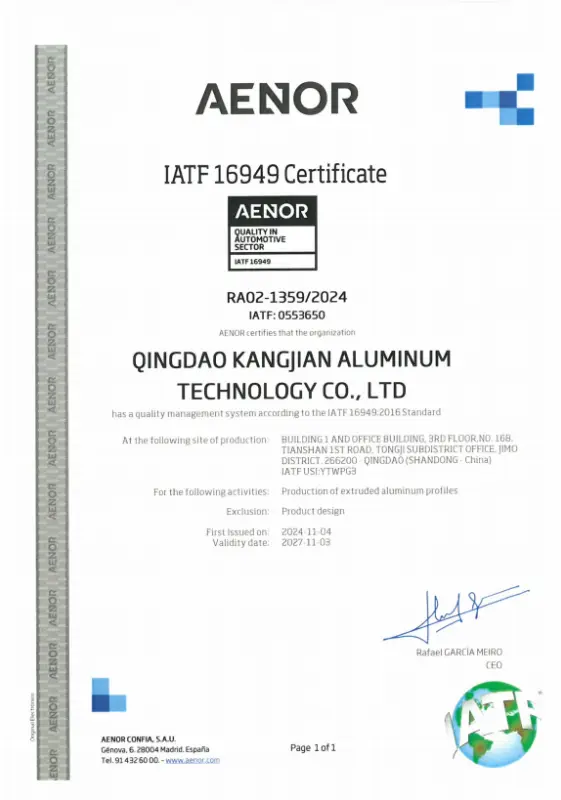
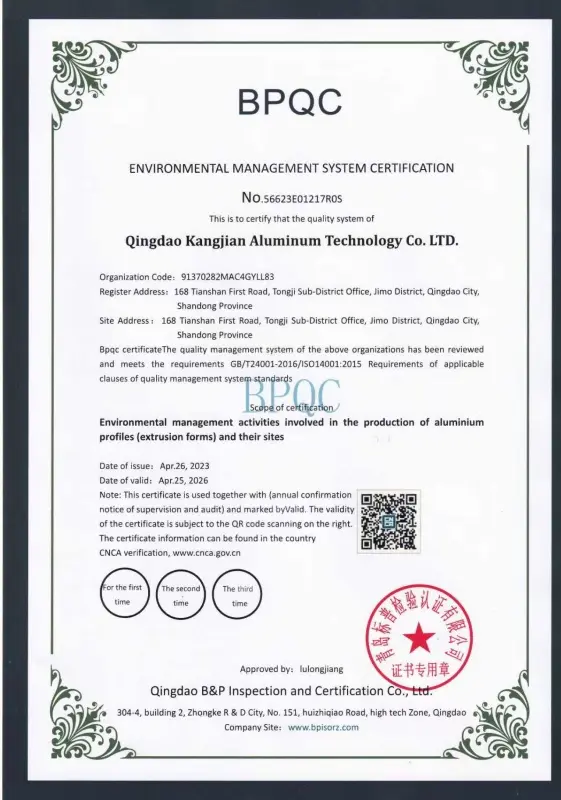
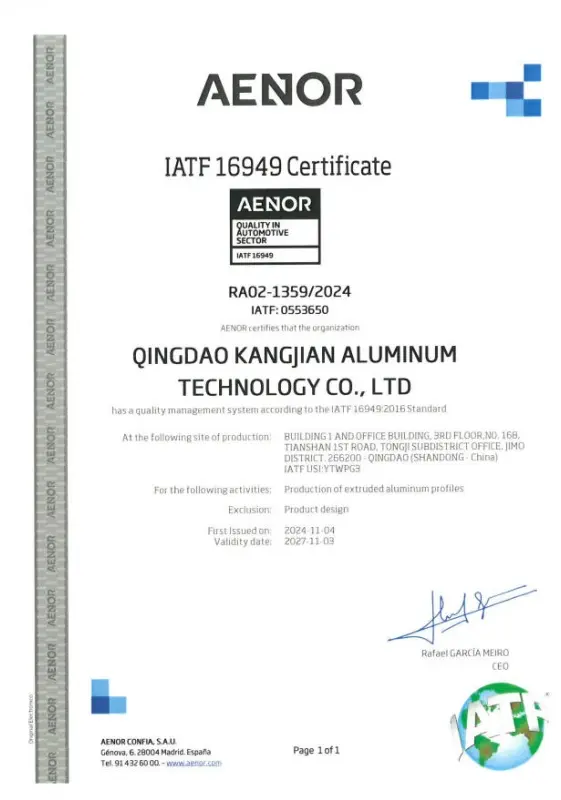
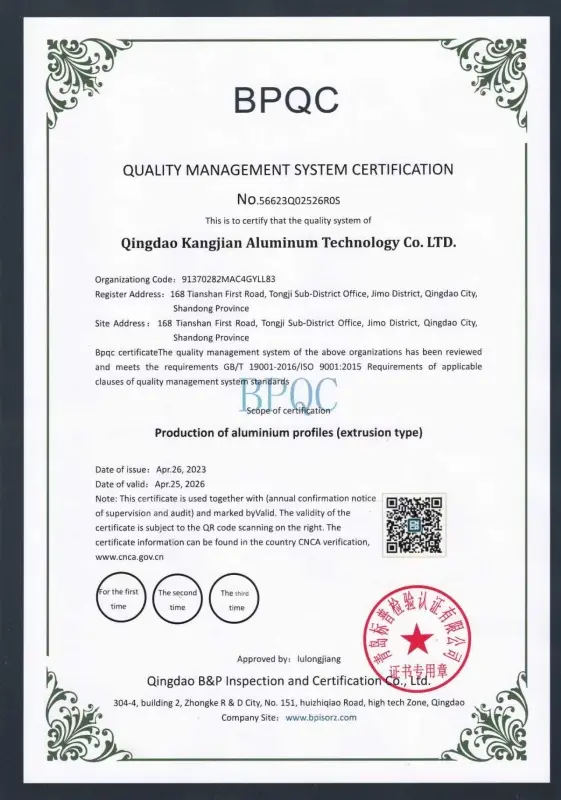
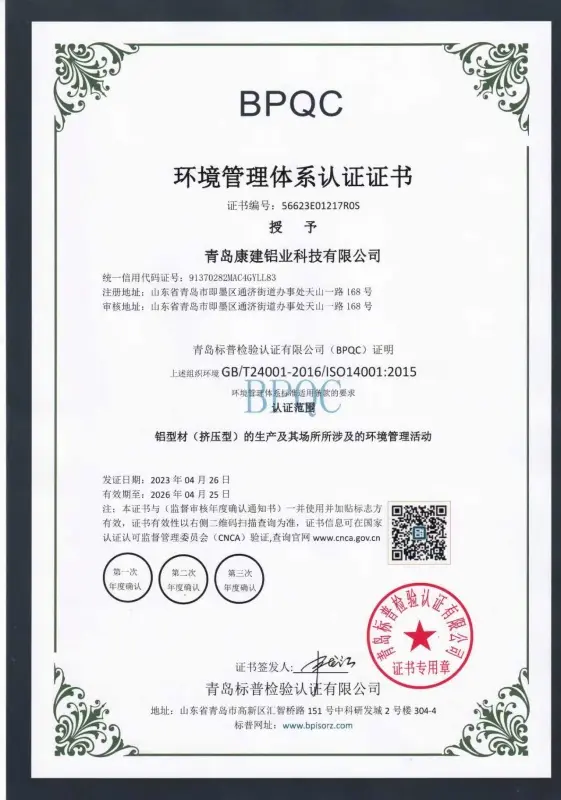
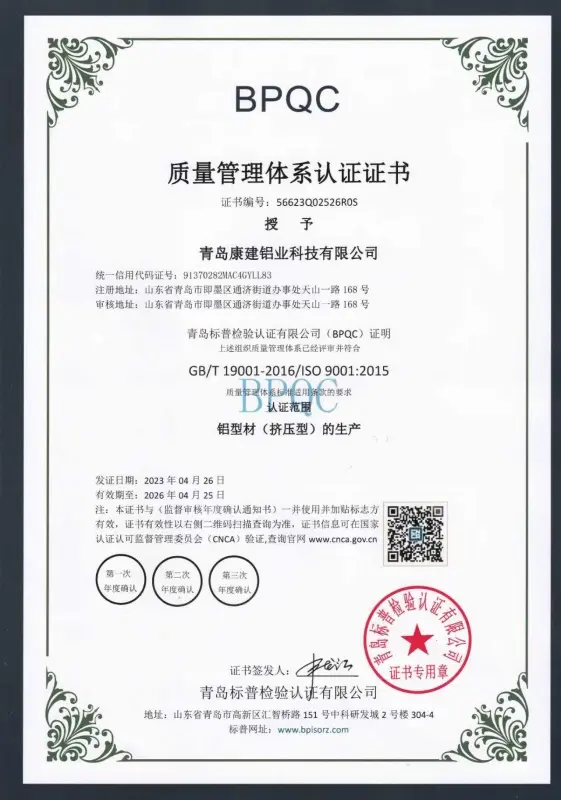
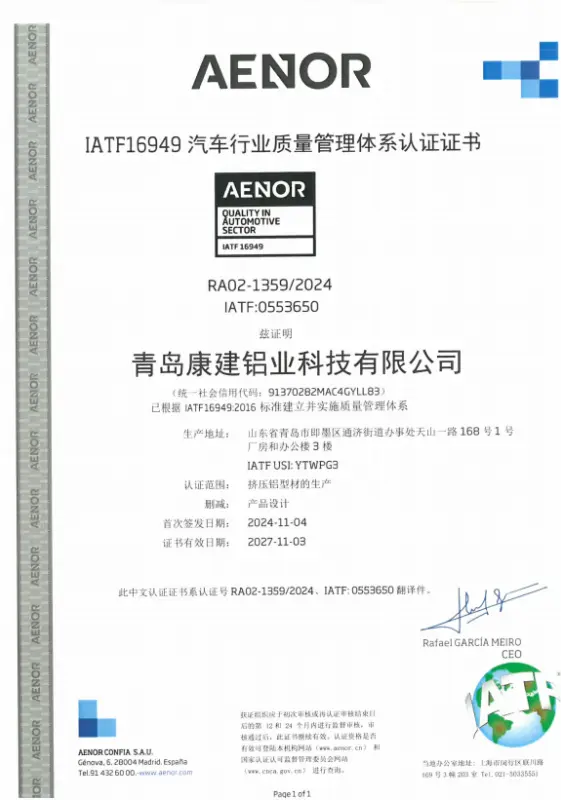
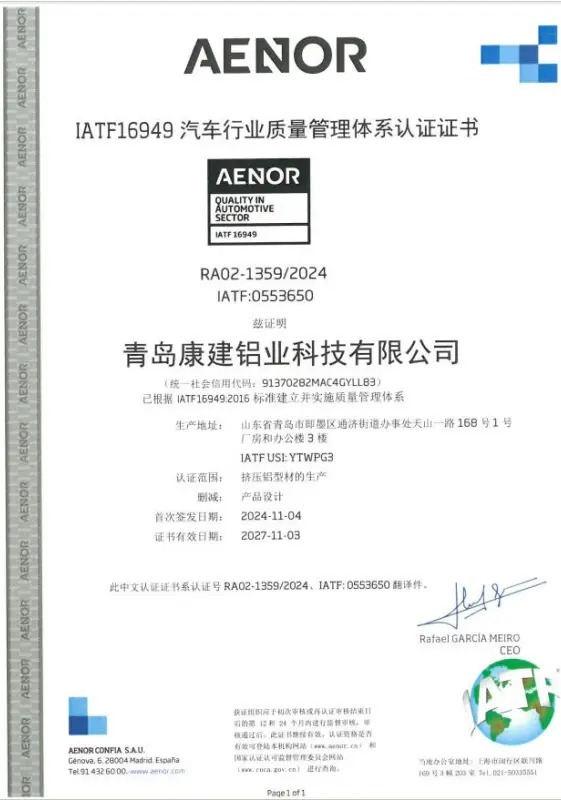



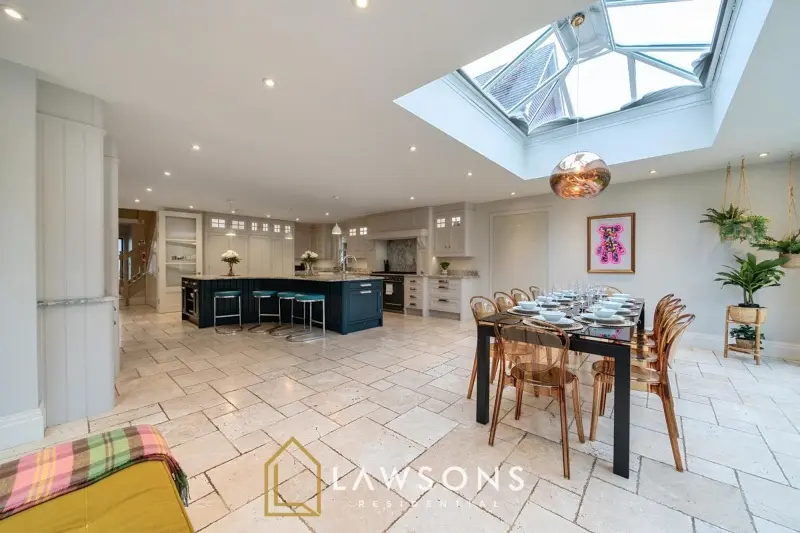
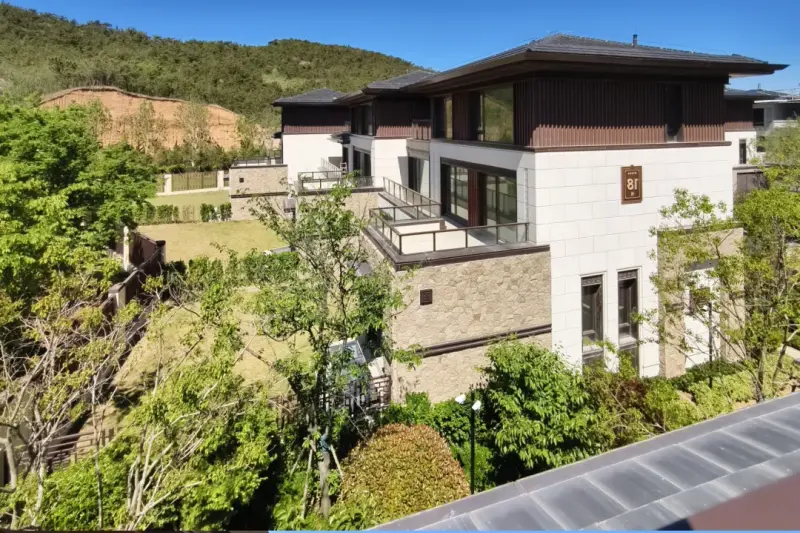
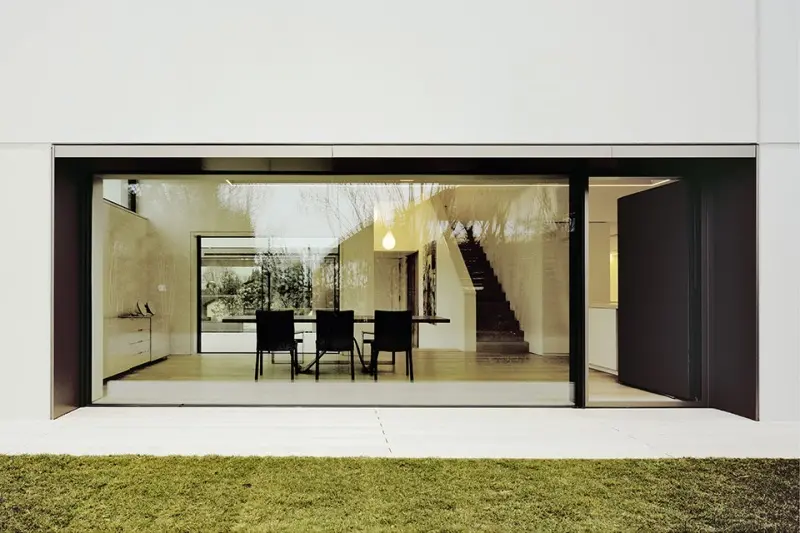
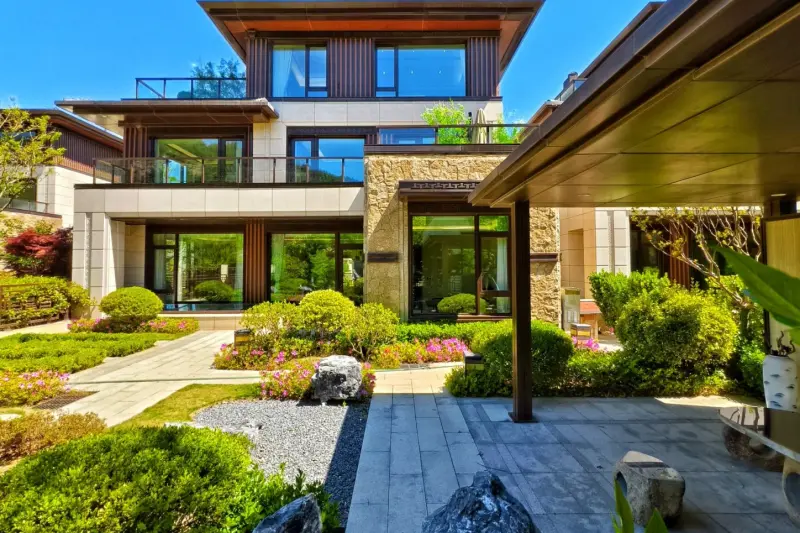
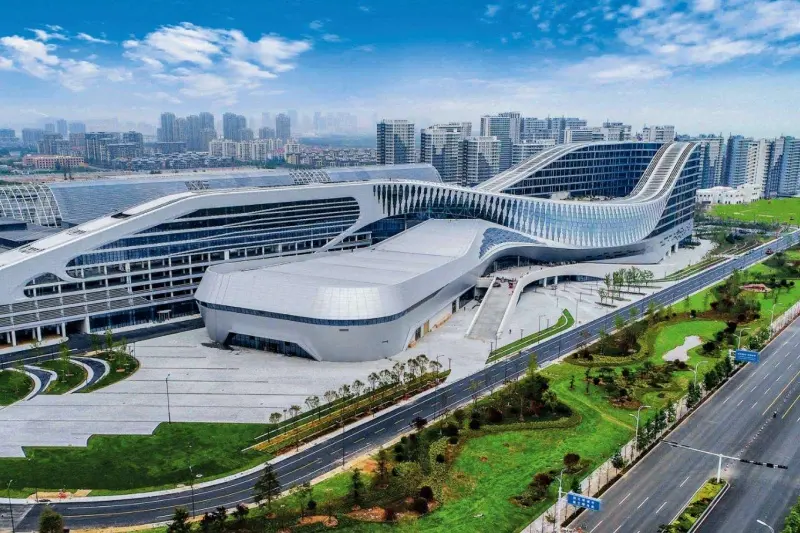
Our structural aluminum profiles are deployed across heavy industrial and transit fields globally.
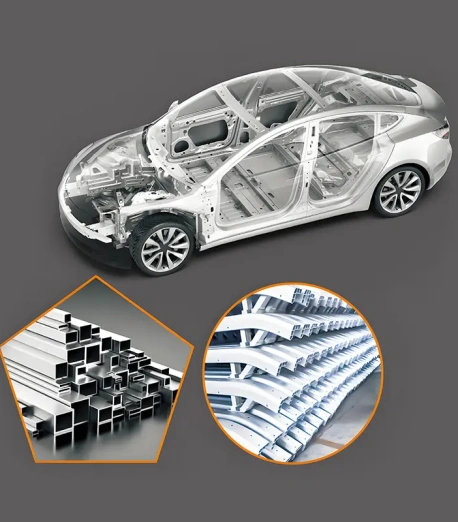
The global aluminum market is adjusting to strict environmental metrics and structural demands. Developing thin-walled profiles with high yield strengths allows manufacturers to decrease component mass while maintaining load capacity. Achieving this requires precise control over the alloy's grain structure, which is managed during the thermal quenching and aging cycles.
Sustainability is a central focus. By sourcing scrap metal with trace element controls and using energy-efficient induction heaters, we lower the carbon footprint of our extrusions. Incorporating recycled content helps buyers meet green building and carbon reduction goals, such as the EU's Carbon Border Adjustment Mechanism (CBAM).
When sourcing wholesale aluminum profiles from China, B2B buyers must evaluate key criteria beyond basic costs to ensure project alignment:
Find technical answers regarding specifications, mechanical properties, customs, and design customization.
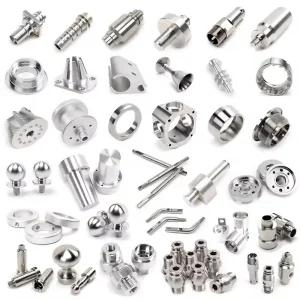
Browse our collection of structural profiles, heavy machinery mounting frames, and CNC-machined parts.